The Next Generation of Humanoid Robots in 2027
30 April 2026
Picture this: it’s a crisp morning in 2027, and you’re sipping your coffee when a seven-foot-tall robot walks into your living room, hands you a perfectly folded laundry basket, and says, “Your socks are sorted by color, and I’ve already reordered your favorite detergent.” Sounds like sci-fi? Not anymore. The next generation of humanoid robots in 2027 is poised to blur the line between fiction and reality, and trust me, it’s going to be wilder than anything Hollywood ever dreamed up.
We’ve been hearing about humanoid robots for decades—from Rosie the Robot on The Jetsons to the Terminator’s relentless march. But 2027 isn’t just another year on the calendar; it’s the tipping point where these machines stop being clunky prototypes and start becoming household companions, factory workers, and even your next-door neighbors. So, buckle up. We’re diving deep into what makes this generation different, why it matters, and how it’s going to mess with your idea of “normal.”
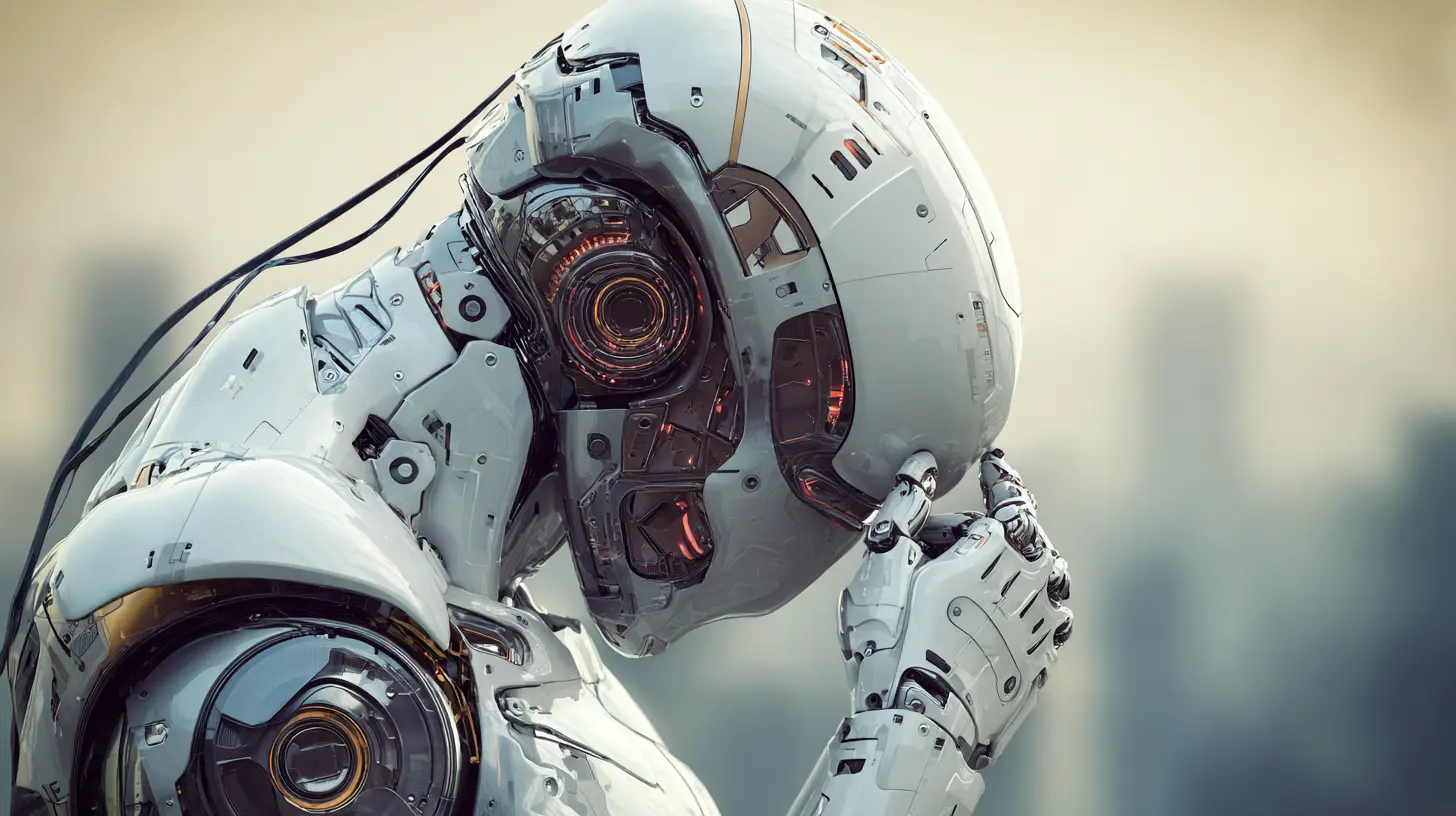
Why 2027? The Perfect Storm of Tech and Timing
You might be wondering, “Why not 2025 or 2030?” Fair question. The truth is, 2027 is the sweet spot where three massive tech trends finally collide. First, artificial intelligence has evolved from “smart” to “scarily intuitive.” Think of it like this: if earlier AI was a calculator that could play chess, the AI of 2027 is a philosopher who also knows how to fix your leaky faucet. Second, hardware has shrunk and strengthened. Batteries last longer, motors are quieter, and sensors are cheaper than ever. Third, and this is key, the global labor shortage has forced industries to get creative. Factories, hospitals, and even schools are desperate for helping hands—or, in this case, helping mechanical limbs.So, 2027 isn’t arbitrary. It’s the year when the tech, the need, and the cost all line up like a perfect planetary alignment. And the result? Humanoid robots that aren’t just novelties but actual workhorses.
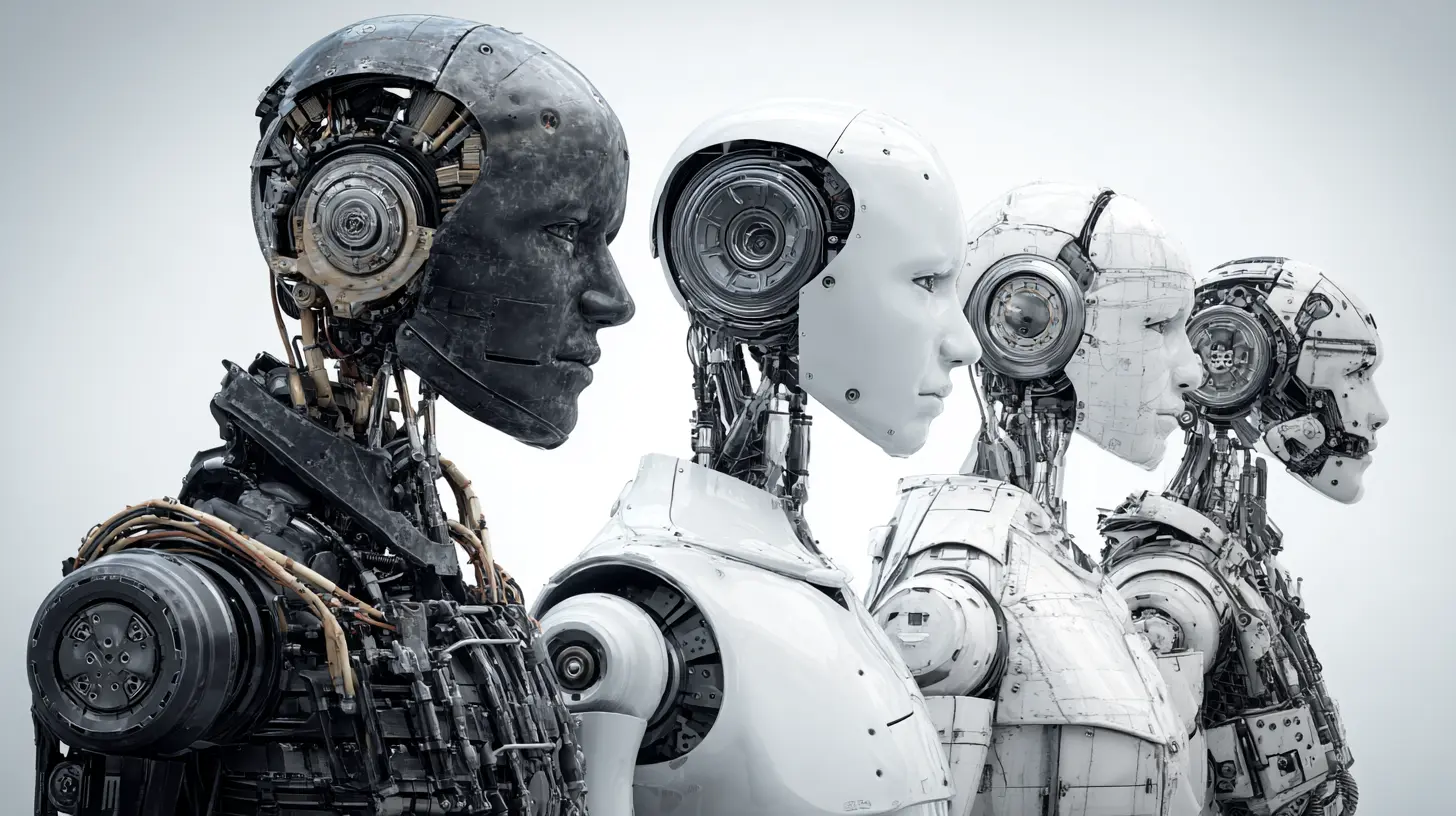
What Makes a Robot “Humanoid” Anyway?
Let’s get one thing straight: not every robot with legs is humanoid. A humanoid robot mimics the human form—two arms, two legs, a torso, and a head. But here’s the kicker: in 2027, these robots don’t just look human; they move like us. They walk with a natural gait, balance on uneven surfaces, and even catch themselves if they trip. (Yes, they trip. And yes, it’s adorable when they say, “Whoa, clumsy me.”)But why bother with humanoid design? Why not just stick to wheeled bots or robotic arms? Simple: our world is built for humans. Stairs, door handles, tools, chairs—everything is designed for bipedal, two-armed creatures. A humanoid robot can walk into your kitchen, open a cabinet, grab a glass, and pour water without needing a custom ramp. It’s the ultimate “plug-and-play” for human environments.
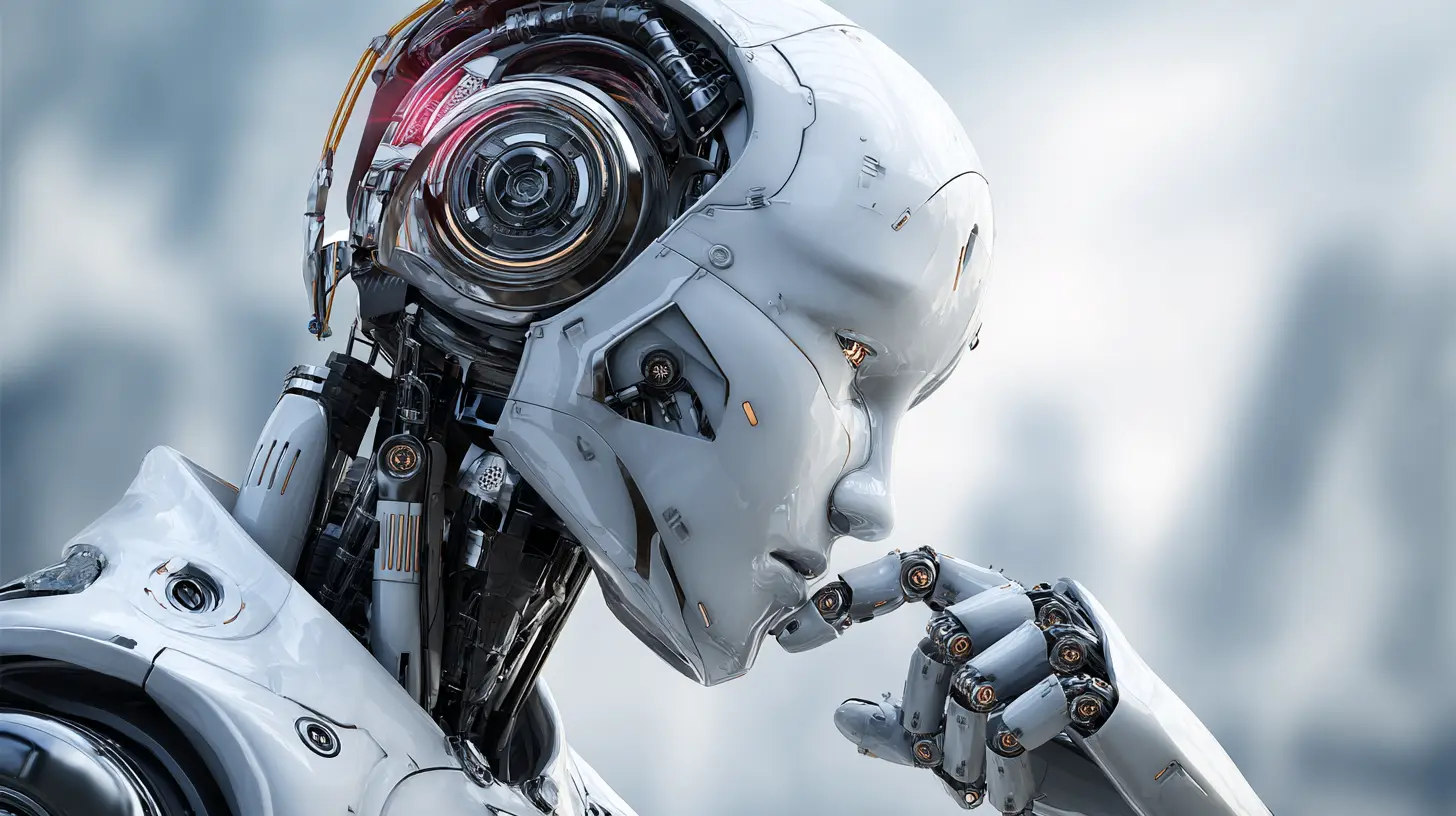
The Brains: AI That Actually Understands You
If the humanoid robot’s body is the hardware, the AI is the soul. And in 2027, that soul is something else. We’re talking about large language models (LLMs) that are so advanced they don’t just follow commands; they infer intent. For example, if you say, “I’m cold,” a 2027 robot won’t just turn up the thermostat. It might ask, “Would you like a blanket, or should I close the window?” It reads your tone, your body language, and even your facial expressions.This is a huge leap from earlier robots that needed explicit, step-by-step instructions. Remember trying to teach your grandpa how to use a smartphone? That was 2023 robots. In 2027, you just talk to them like a friend. And here’s the creepy-cool part: they learn from you. If you always sigh when they play jazz music, they’ll switch to lo-fi beats. If you’re grumpy in the morning, they’ll wait until after your second coffee to ask about your schedule.
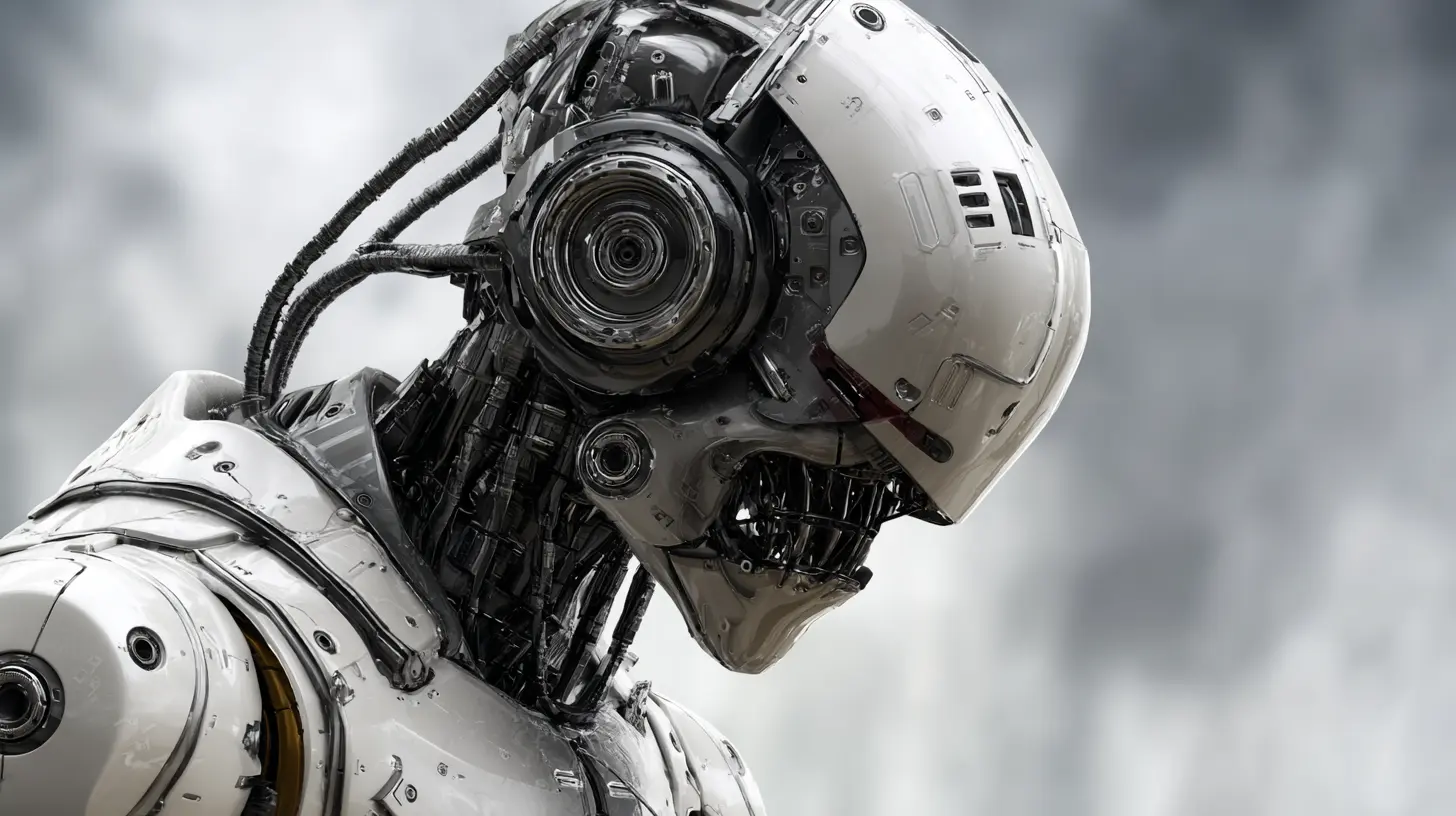
The Body: Fluidity and Grace (No More Stiff Robots)
Let’s talk about movement. Early humanoid robots looked like they were walking on stilts—jerky, hesitant, like a toddler learning to dance. The 2027 generation is different. Thanks to breakthroughs in hydraulic actuators and biomimetic joints, these robots move with a fluidity that’s almost hypnotic. They can run, jump, and even perform a cartwheel (yes, Boston Dynamics’ latest models already do that, but 2027 takes it mainstream).Imagine a robot that can climb a ladder to change a lightbulb, then come down and gently cradle a baby. That’s the range of motion we’re talking about. It’s not just about strength; it’s about precision. Engineers have mimicked human muscle tendons using elastic cables and smart sensors, so the robot can feel how much force it’s applying. Too much? It eases up. Too little? It adjusts in milliseconds. This makes them safe to work alongside humans without the risk of accidental “hugs” that break bones.
Energy: The Battery Breakthrough
One of the biggest hurdles for humanoid robots has always been battery life. Early models could only work for an hour or two before needing a recharge—like a smartphone that dies during your commute. But 2027 changes the game with solid-state batteries and even experimental hydrogen fuel cells. These packs can power a humanoid for up to 16 hours of continuous activity. That’s a full workday, plus overtime.And charging? It’s as easy as docking a Roomba. The robot walks to its charging station, plugs itself in, and even communicates its battery status to you via an app. Some models can swap batteries autonomously, like a pit crew changing tires. So, no more “Sorry, I’m dead” excuses.
Real-World Applications: Where Will You See Them?
You might think humanoid robots are just for tech demos or billionaire toys, but in 2027, they’re everywhere. Let’s break it down by sector.Manufacturing and Warehousing
Factories are the first place you’ll spot them. They’re not replacing humans entirely, but they’re handling the dull, dirty, and dangerous jobs. Think lifting heavy boxes, welding car frames, or assembling delicate electronics. In 2027, a humanoid robot can work side-by-side with a factory worker, handing them tools or taking over when the person needs a break. It’s like having a tireless, never-complaining coworker who doesn’t steal your lunch.Healthcare and Elderly Care
This is where things get emotional. Imagine your aging parent living alone. A 2027 humanoid robot can help them get out of bed, remind them to take medication, and even call an ambulance if they fall. It’s not just a machine; it’s a companion. Some models are programmed with empathy algorithms—they can detect sadness in a voice and respond with comforting words. Sure, it’s not the same as a human hug, but for millions of isolated seniors, it’s a lifeline.Hospitality and Retail
Ever walked into a hotel and wished the front desk clerk could speak ten languages? In 2027, a humanoid robot can do that. They’re already being tested in Tokyo hotels, where they check guests in, carry luggage, and even give directions. In retail, they can stock shelves, answer product questions, and process returns. The best part? They never get tired or grumpy, even after the 50th customer asks, “Where’s the restroom?”Home Assistance
This is the holy grail, and it’s finally here. A 2027 home humanoid robot can clean, cook simple meals, organize your closet, and even walk your dog. Wait, walk your dog? Yes. They’re designed to handle leashes and avoid fire hydrants. But they’re not maids; they’re more like a household manager. They can sync with your smart home, adjust the lighting, and even remind you of your anniversary. The only downside? They might judge your snack choices.The Ethical Minefield: Are We Ready?
Let’s be real: with great robots come great responsibilities. The next generation of humanoids in 2027 raises some uncomfortable questions. For starters, what happens to jobs? While they’re not wiping out entire industries, they will displace certain roles—especially in logistics, retail, and manufacturing. But history shows that tech evolution also creates new jobs: robot trainers, maintenance specialists, and AI ethicists.Then there’s privacy. These robots are essentially cameras and microphones on legs. They see everything you do, hear everything you say. In 2027, manufacturers are embedding strict privacy controls—data is encrypted, stored locally, and never shared without your consent. But trust is fragile. Will you feel comfortable having a robot watch you dance in your underwear? Probably not. The industry is still figuring out how to balance utility with discretion.
And finally, the uncanny valley. You know that creepy feeling when something looks almost human but not quite? 2027 robots are getting better, but they’re not perfect. Some have hyper-realistic faces that move like a puppet—eyes that track you, lips that sync with speech. Others are deliberately mechanical, like a metallic skeleton with a friendly voice. Which is less unsettling? It’s a personal taste thing, like choosing between a talking car and a talking toaster.
The Cost: Can You Afford One?
Here’s the reality check: in 2027, a humanoid robot won’t be cheap, but it won’t be luxury-car expensive either. Early estimates suggest prices between $20,000 and $50,000 for a basic home model. That’s comparable to a new SUV. For businesses, leasing options will be available—think of it as a monthly subscription for a robotic employee.But prices are dropping fast. By 2028 or 2029, we could see models under $10,000. It’s the same trajectory as smartphones or flat-screen TVs: first, they’re a status symbol; then, they’re a commodity. So, don’t sell your kidney just yet. Wait a year or two.
The Competition: Who’s Leading the Race?
The 2027 humanoid robot market is a battlefield of giants and startups. Tesla’s Optimus bot is probably the most hyped, with Elon Musk promising it’ll do everything from factory work to babysitting. Boston Dynamics—now under Hyundai—has the Atlas robot, which can backflip and parkour. Then there’s Figure AI, a startup that’s raised billions to create a general-purpose humanoid. And let’s not forget China’s Fourier Intelligence and Xiaomi, who are pushing affordable models.It’s like the early smartphone wars: Apple vs. Samsung vs. a dozen others. Each company has a different philosophy—some focus on strength, others on dexterity, and a few on social interaction. The winner? Probably the one that makes you feel like you’re talking to a friend, not a tool.
What’s Next? The Road to 2030
If 2027 is the year humanoid robots go mainstream, 2030 is when they become indispensable. We’re talking about robots that can repair themselves, learn new skills overnight, and even communicate with each other to form ad-hoc teams. Imagine a swarm of humanoids rebuilding a disaster zone, coordinated like an ant colony. Or a robot that can argue with you about politics—and maybe change your mind.But here’s the thing: as amazing as these machines are, they’ll never replace the human touch. They can’t feel love, grief, or joy. They can simulate it, but it’s not real. So, while you’re admiring a 2027 robot’s ability to fold a fitted sheet (a true miracle), remember that the best parts of life—a hug from your kid, a laugh with a friend—are still ours alone.
Final Thoughts: Embrace the Future, But Don’t Forget the Present
I don’t know about you, but I’m both excited and a little nervous. The next generation of humanoid robots in 2027 is going to change how we live, work, and play. They’ll take over mundane chores, keep us safe, and maybe even make us laugh. But they’ll also force us to rethink what it means to be human. Are we ready to share our world with machines that walk, talk, and think like us? Only time will tell.One thing’s for sure: 2027 isn’t the year of the robot takeover. It’s the year of the robot invitation. So, will you invite one into your home? Or will you wait until they start inviting themselves? The choice is yours.
all images in this post were generated using AI tools
Category:
Robotics TechnologyAuthor:

Gabriel Sullivan
Discussion
rate this article
2 comments
Flint McBride
Bring on the robots... 2027 will be interesting!
July 15, 2026 at 4:39 AM
Gabriel Sullivan
Absolutely! The advancements are going to be game-changing. Exciting times ahead!
Yvette Frank
In 2027, humanity's crafted kin will dance between dreams and reality. These humanoid creations, born from silicon and sparks, will mirror our hopes and fears. As they learn our ways, they may teach us to feel, bridging the gap between man and machine.
May 1, 2026 at 11:01 AM
Gabriel Sullivan
That vision of 2027 is both exciting and a bit unsettling. The potential for humanoid robots to connect with our emotions raises important questions about our humanity. Let's see how this unfolds.