The Impact of Data Quality on Business Intelligence
8 February 2026
In today’s digital-first world, data is the new oil. But here's the twist — just like crude oil, raw data is only useful when it's refined. And guess what? That “refinement” is what we call data quality. If you've ever pulled up a business report and felt something was off, you're not alone. Poor data quality can turn your business intelligence (BI) strategy into a bad guessing game.
So, let’s sit down and unpack the real impact of data quality on business intelligence. We’ll cover the good, the bad, and the mind-blowing potential when those two work in harmony.
What Is Data Quality Anyway?
Before we go full throttle, let’s get clear on what we mean by “data quality.”Data quality refers to data that is accurate, complete, consistent, timely, valid, and relevant. In other words, it checks off all the good stuff that makes your business decisions smarter and sharper.
Bad data, on the other hand, is like a GPS that sends you into a lake. Yikes, right?
So, why does this matter so much for business intelligence?
Why Business Intelligence Needs Top-Tier Data
Think of business intelligence as your company's digital compass. It’s the technology and strategies used to analyze business information so you can make informed decisions. But here’s the kicker — if the data feeding into your BI tools is flawed, then your decisions might be, too.Imagine trying to bake a cake with expired ingredients. Sure, you followed the recipe, but the result? Not exactly digestible. That’s what happens when poor data quality sneaks into your BI strategy.
Here’s how high-quality data fuels powerful business intelligence:
- Accurate Insights: No more second-guessing your sales dashboard.
- Faster Decisions: You’ll spend less time validating data and more time acting on it.
- Customer Trust: Better data leads to better personalization — and happier customers.
- Operational Efficiency: You nip issues in the bud before they spiral out of control.
What Happens When Data Quality Goes South?
Let’s flip the coin. What if your data quality is a hot mess?Here are some real-world consequences:
1. Bad Decisions (Obviously)
At its core, BI is supposed to guide decision-makers. But with low-quality data, even the smartest strategies can crash and burn.Imagine launching a new product in a region where you thought demand was high — thanks to flawed data. Ouch.
2. Wasted Time and Money
Your team ends up playing data detective — cleaning, filtering, and rechecking data before it’s even usable. That’s not just frustrating; it’s expensive.3. Missed Opportunities
You can’t spot trends or patterns if your data is incomplete or outdated. It's like trying to read the future through fogged-up glasses.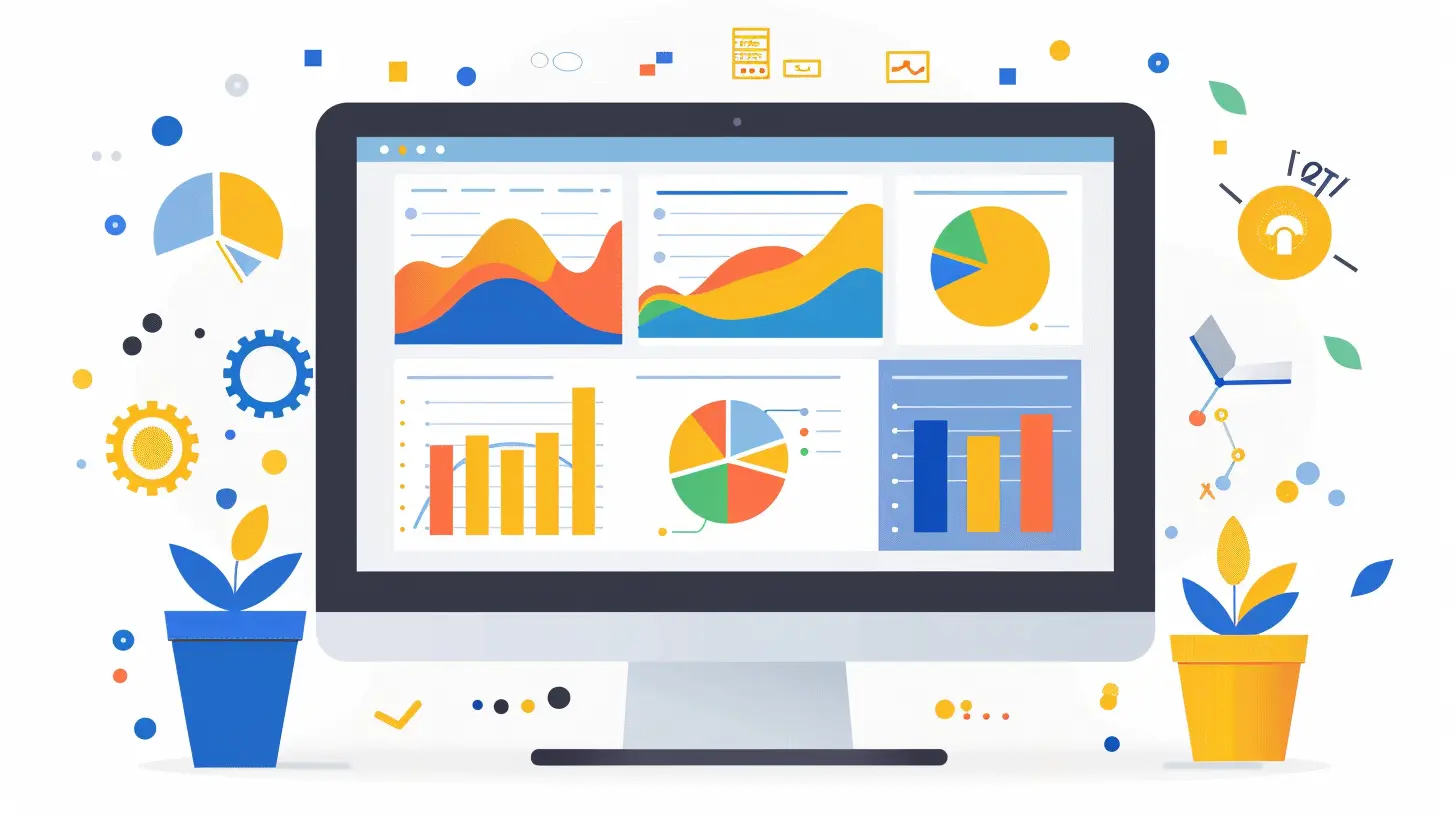
The Pillars of Data Quality
Okay, now that we know what’s at stake, let’s get into what good data looks like. These are the six pillars of data quality you should always keep in mind:1. Accuracy
Is the data correct? If your customer’s name is John but the system says Jane, that’s a red flag.2. Completeness
Is any data missing? A contact form without an email address isn’t much help, is it?3. Consistency
Does the data look the same across different systems? If one report says $1,000 and another says $10,000, something’s off.4. Timeliness
Is the data up to date? Yesterday’s data won't help you make decisions for today.5. Validity
Does the data fit the required format? Someone putting “tomato” as a phone number is certainly creative — but not helpful.6. Relevance
Is the data even needed? Storing irrelevant data is like hoarding: messy and pointless.Real-World Examples of Data Quality’s Impact on BI
Let’s bring this to life with some examples.Case #1: Retail — The Inventory Nightmare
A fashion retailer once relied on BI tools that pulled from outdated inventory data. The result? They overstocked winter coats in Florida and ran out in New York. Classic case of garbage in, garbage out.Case #2: Healthcare — Life-Threatening Errors
Hospitals depend on real-time data for patient care. When records are inaccurate or incomplete, it doesn’t just cost money — it can cost lives. Now that’s serious.Case #3: Marketing — Campaign Crash
A marketing team launched an expensive ad campaign based on old demographic data. Turns out, their target audience had shifted significantly. Engagement dropped like a rock, and ROI went with it.How to Improve Data Quality for Better BI
Alright, we’ve seen the chaos poor data can cause. Now, let’s talk about how to fix it — or better yet, avoid it altogether.1. Create a Data Governance Plan
Think of this as your rulebook. Define who owns what data, how it should be used, and how often it’s reviewed. No more finger-pointing.2. Clean Your Data Regularly
Just like your kitchen, your data needs regular cleaning. Schedule routine audits to catch errors before they multiply.3. Automate Data Validation
Set up rules in your BI tools that automatically flag duplicates, missing fields, or abnormal entries. Let the bots handle the boring stuff.4. Train Your Team
Even the best tools can’t fix human error if no one knows how to use them. Invest in training so your team knows how to input and interpret data properly.5. Integrate Your Systems
Make sure your CRM, ERP, and marketing platforms talk to each other. Data silos are the silent killers of data quality.The Future of BI and Data Quality: Smarter, Faster, Better
We’re heading into an era of AI-driven insights, real-time data streams, and predictive analytics. But here’s the golden rule: all the futuristic tools in the world are useless without quality data.As businesses lean into automation and machine learning, data quality isn’t just “nice to have” — it’s mission critical. AI can only learn from what you feed it. Feed it junk, and it’ll give you junk.
In fact, companies that prioritize data quality are consistently outperforming their peers. They’re not just making reactive decisions — they're staying ahead of the curve.
Start Small but Start Now
If you’re feeling overwhelmed, don’t sweat it. You don’t need to overhaul your entire data infrastructure overnight.Start with a data quality audit. Pick one data source—maybe your customer database—and review its accuracy and completeness. Even small changes can lead to big wins.
Remember, Rome wasn’t built in a day… but it definitely wasn’t built on bad data either.
Wrap-Up: Make Data Quality Your Superpower
Your business intelligence system is only as good as the data behind it. Think of BI as a high-performance sports car. Data quality? That’s the premium fuel. Without it, your BI strategy sputters and stalls.Yes, investing in data quality takes time, effort, and resources — but the return? Solid insights, streamlined operations, and the competitive edge you've been chasing. It’s not just a technical improvement; it’s a business game-changer.
So, let’s stop treating data quality like an afterthought. Make it your superpower. Your business decisions, your customers, and your bottom line will thank you.
all images in this post were generated using AI tools
Category:
Data AnalyticsAuthor:

Gabriel Sullivan
Discussion
rate this article
2 comments
Ariana Mathews
Great insights! Data quality truly drives effective BI.
March 19, 2026 at 3:35 AM
Gabriel Sullivan
Thank you! I'm glad you found the insights valuable. Data quality is indeed crucial for maximizing the potential of business intelligence.
Fallon Wyatt
Data whispers secrets beyond numbers.
February 8, 2026 at 11:52 AM
Gabriel Sullivan
Absolutely! High-quality data reveals deeper insights, transforming raw numbers into actionable intelligence.