The Impact of Starlink and Satellite Internet on Global Connectivity
2 December 2025
Let’s face it — spotty internet is one of modern life’s biggest annoyances. Whether you're trying to stream a movie, crush an online game, or attend a Zoom call, there’s nothing more frustrating than a buffering screen. But for millions of people around the world, unreliable or even nonexistent internet isn't just a minor delay — it's a daily reality.
Enter Starlink and satellite internet. These buzzing beacons in the sky are flipping the script on how the world gets online by making high-speed internet accessible in places where traditional providers fear to tread.
In this post, we’re diving deep into the exciting world of Starlink and satellite internet, unpacking how they're changing global connectivity, and what this means for you, me, and the rest of the planet.
🚀 What Is Starlink, Anyway?
Let’s break it down without the tech mumbo-jumbo.Starlink is a satellite internet project launched by SpaceX — yep, the same company sending rockets to space and dreaming about Mars colonization. Instead of relying on underground cables or cell towers, Starlink uses a swarm of low Earth orbit (LEO) satellites to beam the internet down to Earth.
Think of it like a cosmic version of your home Wi-Fi router, but spread across the sky and working together to send data to even the most remote corners of the planet.
So far, Starlink has already launched thousands of satellites (with thousands more planned) and is one of the largest satellite constellations ever created. They're working together like a tightly choreographed drone show to provide a seamless internet experience.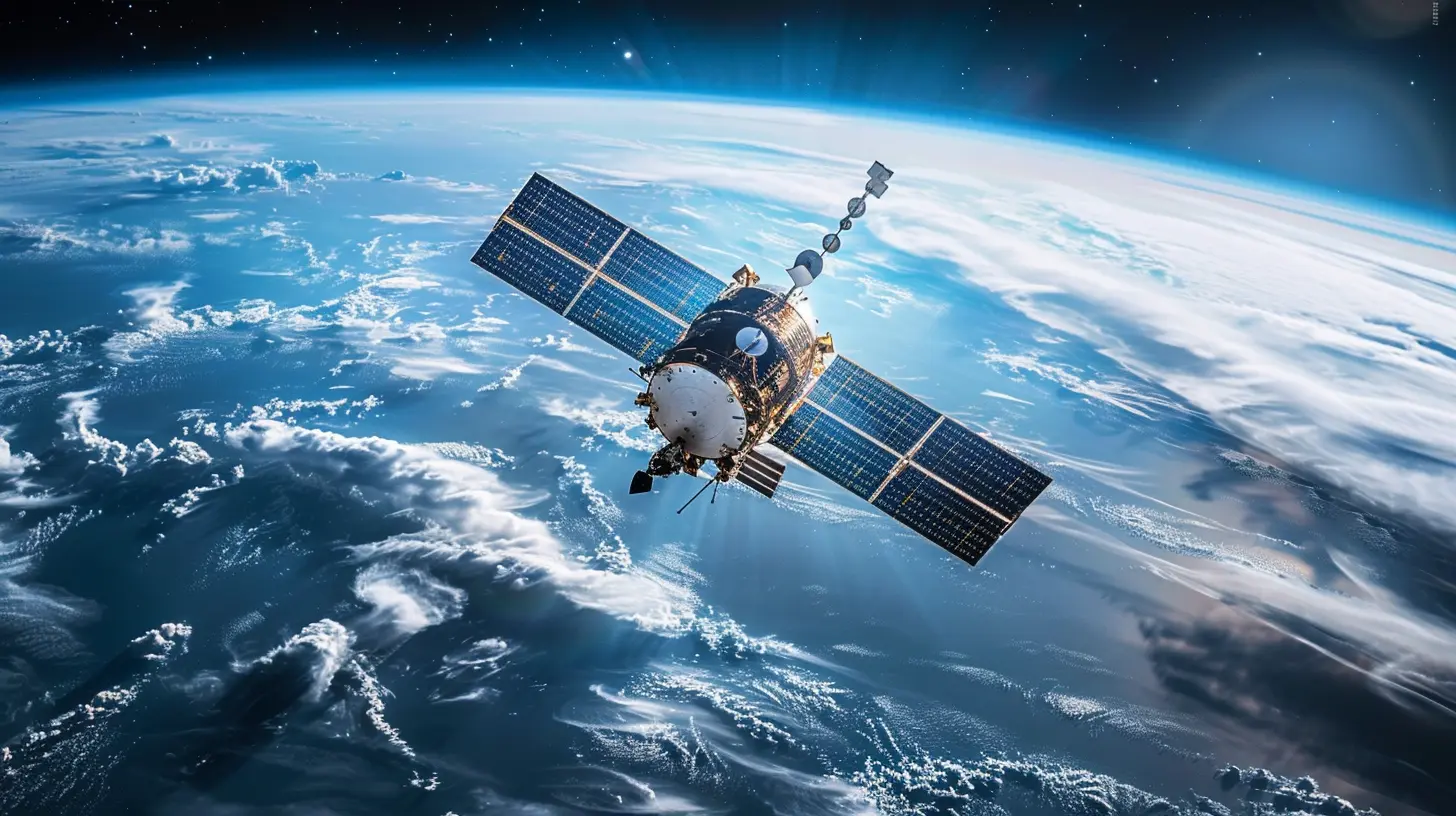
📡 A Quick Primer: What Makes Satellite Internet Special?
Most internet service comes through one of three roads: fiber optics, cable, or mobile networks. But these rely heavily on infrastructure — think of trenches filled with fiber cables, cell towers dotting the landscape, or undersea cables stretching across ocean floors.Satellite internet says, “Nah, we’ll take the skies instead.”
By beaming internet from satellites directly to a small dish at your home, it bypasses all the traditional ground infrastructure. This makes it a game-changer for rural areas, isolated islands, oceanic vessels, and nomadic lifestyles.
But hold up — satellite internet isn’t exactly new. It’s been around for decades. The twist? Earlier versions used satellites much farther from Earth, which made latency (lag) a huge problem.
Starlink and its low-Earth orbit tech? They're solving that issue. Big time.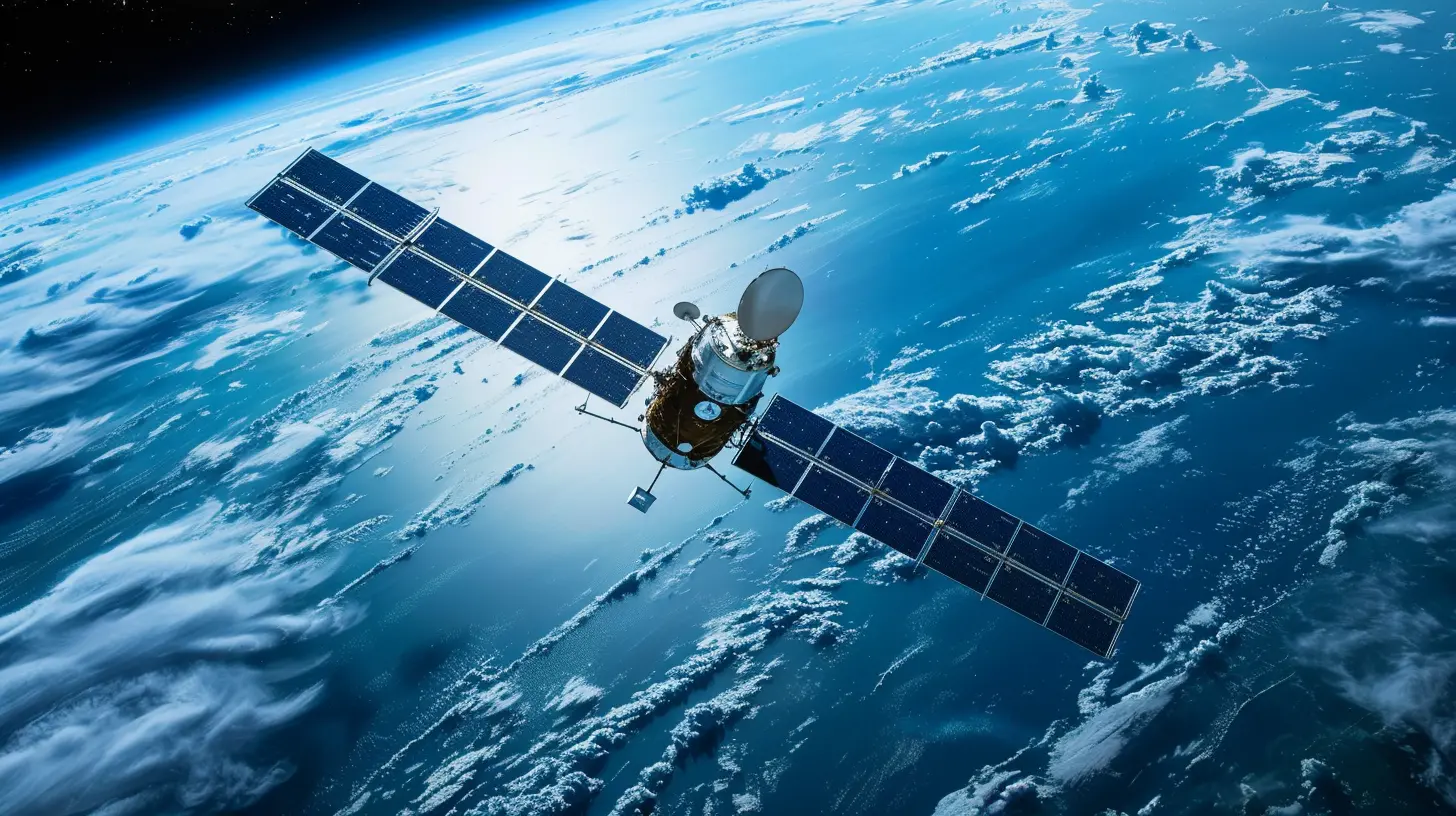
🌍 The Global Connectivity Problem
Despite all our shiny smartphones and cloud-based everything, over 2.6 billion people around the world still don’t have regular access to the internet.Let that sink in.
That’s a huge chunk of humanity not connected to the digital age — missing out on education, economic opportunities, medical information, social connections, and so much more.
Why? Traditional internet providers have little incentive to build infrastructure in remote and underserved areas. It’s expensive, takes forever, and often doesn't guarantee enough customers to make it worth their while.
This is where Starlink and other satellite internet services swoop in like digital superheroes.
🌐 How Starlink Is Rewriting the Connectivity Map
1. Bridging the Digital Divide
This one’s big. Starlink is reaching places where laying cables or building towers isn’t feasible — think deserts, mountain villages, or rural farmland where cows outnumber people.Farmers in the Midwest? Check. Remote schools in Africa? You bet. Researchers in Antarctica? Covered.
By making high-speed internet available anywhere, Starlink is helping level the playing field across the globe.
2. Supporting Disaster Recovery
Imagine a hurricane wipes out power lines and internet cables in a region. Traditional infrastructure could take weeks (or months) to rebuild. But with satellite internet, you can just point a dish at the sky, and boom — you’re back online.In fact, Starlink has already been used in disaster zones — like after wildfires in California or during the conflict in Ukraine — to provide emergency connectivity when infrastructure was down or destroyed.
3. Unlocking Economic Potential
When people get internet access, they can access markets, education, jobs, and ideas. It's like handing someone a key to a library, a university, and an office building all at once.Small businesses in developing nations can now sell their products online. Kids can attend virtual classrooms. Health workers can consult with specialists in other continents. It’s a ripple effect that transforms communities.
🚀 Pros of Satellite Internet (Especially Starlink)
Let’s talk perks. Why are people so hyped about Starlink?✅ Massive Coverage
Starlink works almost anywhere there's open sky. You're on a boat in the middle of the Pacific? No problem. Camping in the Rockies? Still online.✅ High-Speed for Remote Areas
Until recently, rural internet was… well, tragic. We’re talking dial-up speeds in a Netflix world. Starlink is changing that with speeds up to 100 Mbps+ — more than enough for streaming, gaming, and Zooming.✅ Quick Deployment
No cables. No permits. No digging up roads. Just plug in the dish, point it at the sky, and go. It’s that simple.🤔 The Not-So-Great Stuff (Because Nothing’s Perfect)
Alright, let’s be real — satellite internet isn’t flawless yet.❌ Pricey for Some
Currently, Starlink costs around $110/month with a $599 hardware fee for the dish. That’s steep, especially for users in low-income countries. But prices may drop as competition heats up and technology improves.❌ Needs Clear Skies
Satellite signals don’t love trees, walls, or heavy clouds. So if you're surrounded by tall buildings or living in a forest, performance could dip.❌ Crowded Skies
With thousands of satellites in orbit, there's growing concern about "space junk" and overcrowding. There’s also potential interference with astronomical observations. It’s like too many cars jamming a highway — even in space, traffic is a problem.🛰 Starlink Competitors (Yep, It’s Not Alone)
Starlink’s not the only player in the cosmic game.- Amazon’s Project Kuiper is gearing up to send thousands of satellites.
- OneWeb is already launching LEO satellites and has partners across the globe.
- Telesat Lightspeed and Viasat are also trying to grab a slice of the sky-pie.
That’s good news — more competition means better pricing, better service, and faster innovation.
🧠 What This Means for You
So, why should you care?If you live in a city with blazing fast fiber, maybe this doesn’t change your life overnight — yet. But for billions of others, this is the digital lifeline they’ve been waiting for.
And even for urban folks, satellite internet could be your ultimate backup plan. Natural disaster? Infrastructure outage? Starlink's there, still humming along.
Plus, imagine working remotely from literally anywhere. Mountain lodge? Beach hut in Bali? With satellite internet, your office follows you wherever you go.
⏳ The Future of Satellite Internet
We’re just getting started.In the next 5–10 years, we could see a world where no one is left offline. Where universal internet is as common as having access to electricity or clean water.
Imagine smart villages connected to global markets. Schools in jungles streaming live lectures. Wildlife rangers coordinating across national parks using satellite data.
The digital divide may finally become a thing of the past.
And as AI, remote work, virtual healthcare, and e-learning explode, the need for reliable global internet will only grow. Starlink and fellow satellite providers are building the scaffolding for this connected future — one satellite at a time.
🤯 Final Thoughts: A Sky Full of Promise
The internet has become as essential as food and water for many aspects of modern life. Yet, for billions, it’s still out of reach.Starlink and satellite internet are changing that, not just by bridging gaps but by reshaping what’s possible — in education, business, healthcare, and beyond.
We’re watching history unfold in real time, with satellites circling the Earth like modern-day messengers, carrying hope and opportunity to even the most forgotten corners.
So next time you look up at the night sky, just remember — those twinkling lights might not be stars… they might just be your internet.
all images in this post were generated using AI tools
Category:
NetworkingAuthor:

Gabriel Sullivan
Discussion
rate this article
2 comments
Poppy Price
Great article! It's fascinating to see how Starlink and satellite internet are revolutionizing global connectivity, bridging gaps and bringing reliable internet to remote areas. Exciting times ahead for worldwide communication!
December 27, 2025 at 4:41 AM
Gabriel Sullivan
Thank you! I'm glad you found it interesting. The advancements in satellite internet truly have the potential to transform global connectivity. Exciting times indeed!
Piper Kelly
Thank you for this insightful article! It's fascinating to see how Starlink and satellite internet are reshaping global connectivity. The potential to bridge digital divides and support remote communities is truly inspiring, and I look forward to seeing the continued evolution in this space.
December 3, 2025 at 11:37 AM
Gabriel Sullivan
Thank you for your kind words! I'm glad you found the article insightful. It's exciting to see how advancements in satellite internet can transform connectivity for remote communities.