How AR is Enhancing the Consumer Electronics Landscape
21 March 2026
Augmented Reality (AR) used to be the stuff of science fiction, but now it's reshaping the consumer electronics industry in ways we never imagined. From smart displays to immersive gaming experiences, AR is changing how we interact with technology.
But what does this shift mean for businesses and consumers alike? Let's dive into how AR is revolutionizing the consumer electronics landscape and why it's more than just a passing trend. 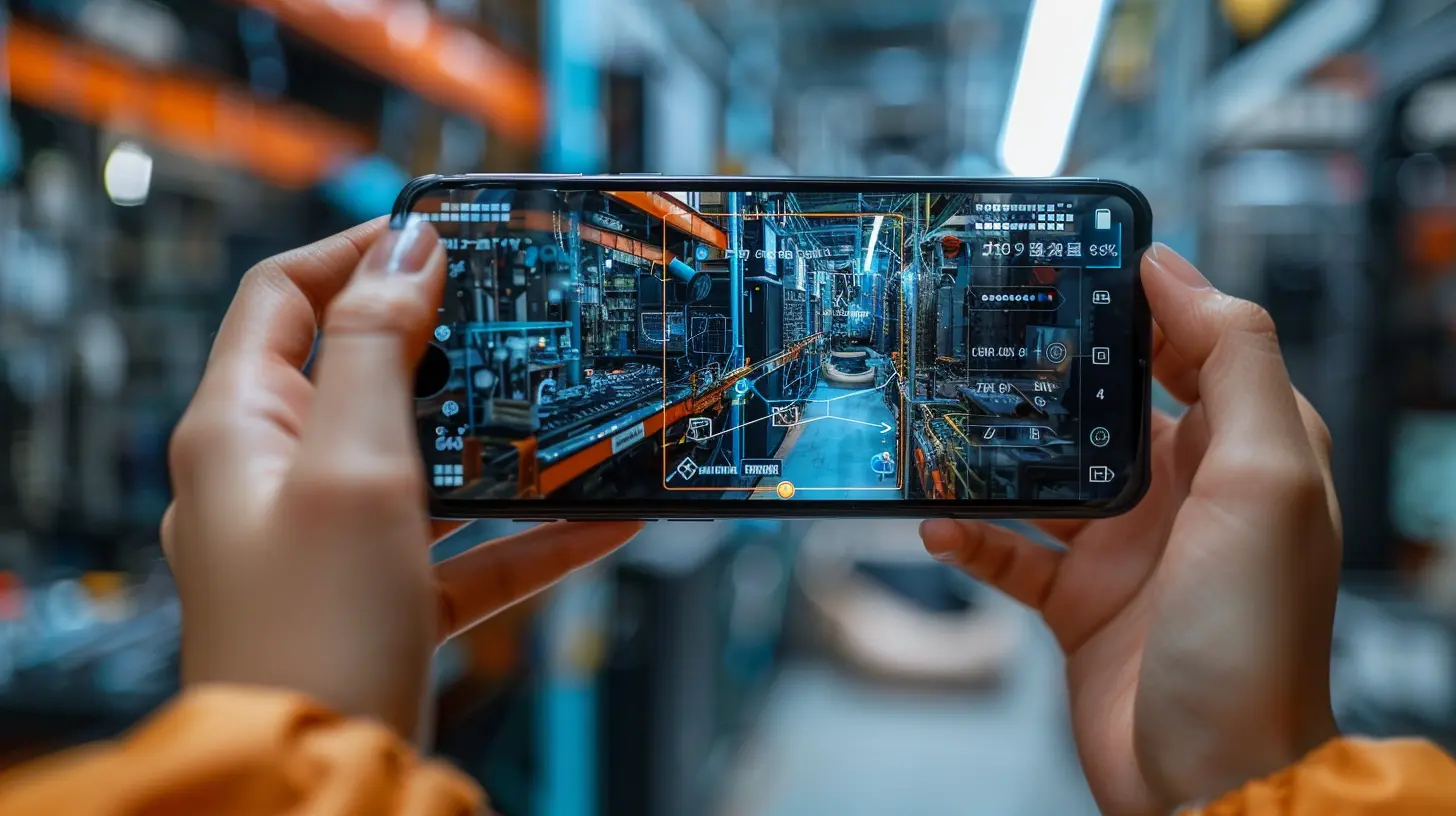
The Rise of Augmented Reality in Consumer Electronics
AR isn't new, but with advancements in hardware and software, it's becoming more accessible. Smartphones, smart glasses, and even household gadgets are now leveraging AR to provide users with interactive experiences.Tech giants like Apple, Google, and Microsoft are heavily investing in AR, proving that this technology is here to stay. With powerful computing capabilities in compact devices, AR is no longer limited to gaming—it’s finding its way into everything from shopping to home automation. 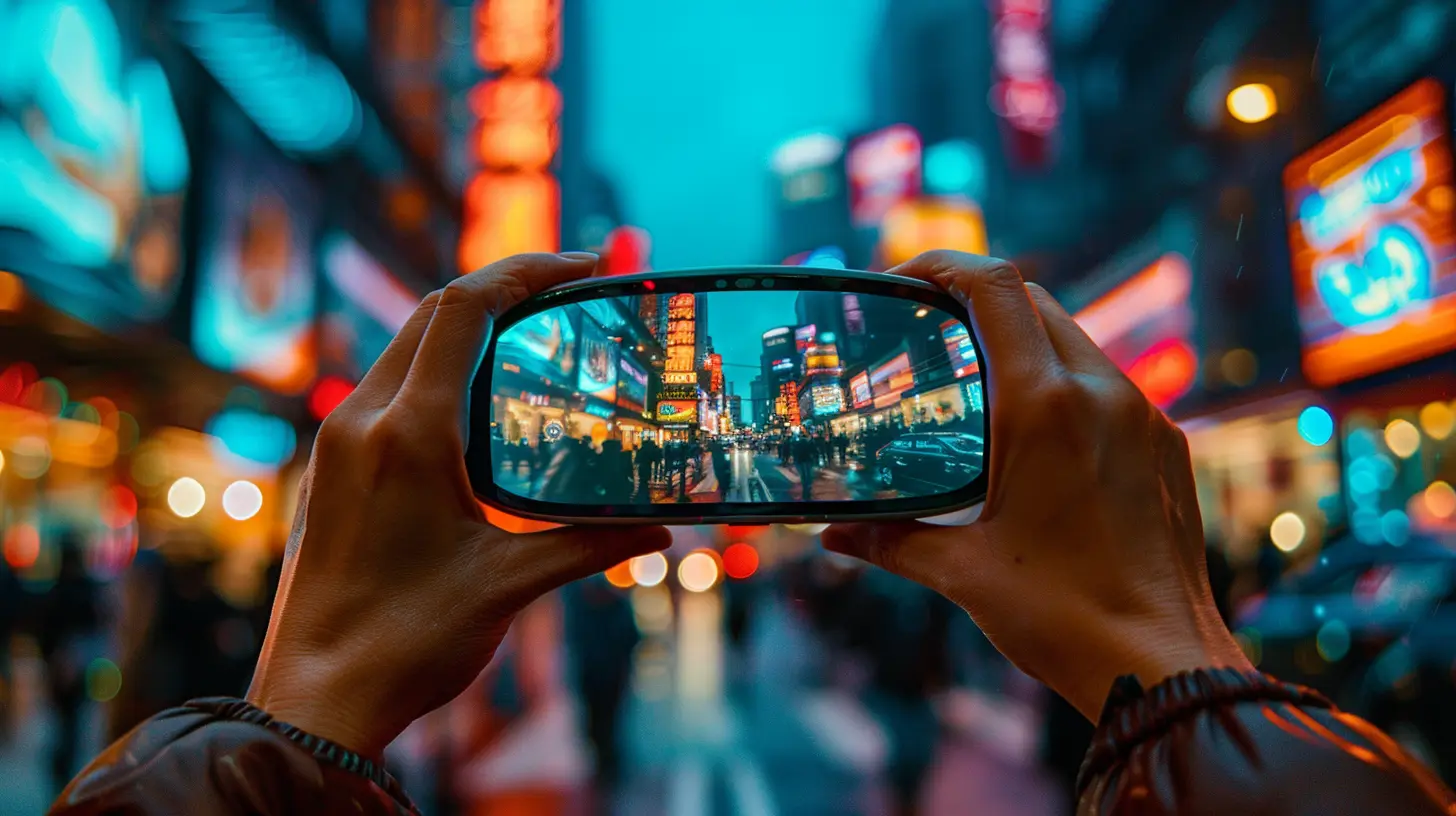
How AR is Transforming User Experience
One of the biggest selling points of AR in consumer electronics is the improved user experience. No longer are we limited to flat-screen interactions; AR enables a more immersive and interactive engagement with our devices.1. AR in Smartphones & Tablets
Remember when phones were just for calls and texts? Now, they’re becoming AR-powered gadgets that enhance day-to-day tasks. From AR navigation apps to real-time virtual try-ons, smartphones and tablets have become AR hubs.Practical Uses:
- AR Shopping: Brands like IKEA and Sephora allow users to visualize furniture in their homes or test makeup virtually.- AR Navigation: Apps like Google Maps now overlay directions on real-world surroundings, making navigation effortless.
- Immersive Gaming: Games like Pokémon GO proved AR isn’t just a gimmick—it can redefine entertainment.
2. Smart Glasses - The Future of Wearable AR
Smart glasses are no longer clunky prototypes; they're becoming sleek, everyday accessories. Giants like Apple, Meta, and Google are investing heavily in AR glasses designed to blend digital and physical realities seamlessly.Key Features:
- Hands-free access to real-time information.- Virtual assistants integrated into the lens.
- AR overlays enhancing work environments, from offices to field operations.
3. Enhanced Home Entertainment with AR
Imagine watching a movie where characters appear to step out of the screen. With AR-enhanced TVs and projectors, home entertainment is heading in an exciting direction.Innovations in AR-Based Entertainment:
- Interactive Gaming: AR-enabled consoles and games provide immersive experiences beyond traditional screens.- Enhanced Viewing: AR can add interactive layers to sports events, concerts, and even educational content.
- Smart Home Integration: AR-driven virtual assistants guide users through daily tasks via smart displays or projectors.
4. AR-Powered Wearables & Fitness Gadgets
Wearables are no longer just about counting steps. With AR, they’re becoming personal trainers, health monitors, and even virtual medical assistants.How AR is Changing Wearables:
- Live Workout Guidance: AR overlays help users maintain proper exercise form.- Medical Applications: AR-powered wearables assist surgeons and provide real-time health tracking.
- Cycling & Running Aids: AR glasses display real-time stats, navigation, and traffic alerts.

Impact on Retail & E-Commerce
Retailers are harnessing AR to bridge the gap between digital shopping and in-store experiences. As e-commerce grows, AR is playing a key role in enhancing the buyer's journey.1. Virtual Try-Ons & Fitting Rooms
Online shopping often has one problem—you can’t try before you buy. AR fixes this by letting users see products in real-world environments before making a purchase.Examples of AR Shopping Experiences:
- Fashion: Virtual fitting rooms allow users to "wear" clothes digitally.- Furniture & Home Decor: Apps like IKEA Place let shoppers see furniture in their homes before buying.
- Eyewear & Accessories: Brands like Warby Parker provide virtual try-ons for glasses.
2. AR-Powered Customer Support
Instead of reading lengthy manuals, customers can now get real-time AR guidance for troubleshooting gadgets.How It Works:
- Virtual Instructions: Point your phone at a device, and AR overlays walk you through setup or repairs.- Live Support Enhancements: Tech support teams can guide users with AR visuals rather than just verbal instructions.

How AR is Shaping the Future of Consumer Electronics
So, what's next for AR in consumer tech? With every innovation, AR is moving closer to becoming an everyday necessity rather than a novelty.1. AR and AI: A Powerful Combination
AI-driven AR will create smarter applications, making consumer electronics more intuitive. Devices will understand user behavior, offering personalized AR experiences in real-time.2. AR-Powered Smart Homes
Imagine pointing your phone at your thermostat and adjusting it through an AR interface. From setting up smart home devices to voice-controlled AR displays, the future of home automation is heading toward seamless AR integration.3. AR in Automotive Technology
Heads-up displays (HUDs) in vehicles are getting an AR makeover, providing real-time navigation, hazard alerts, and even enhanced night vision features.Challenges & Considerations for AR in Consumer Electronics
While AR is promising, it’s not without its hurdles.1. Hardware Limitations
AR experiences require powerful processors and high refresh rates, making development costly. However, as chip technology advances, affordable AR-powered devices are becoming a reality.2. Privacy and Security Concerns
With AR analyzing real-world data, concerns about user privacy arise. Companies must ensure data security while providing immersive AR experiences.3. Consumer Adoption & Education
Despite its potential, AR is still new to many users. Educating consumers and making AR interfaces user-friendly will be key in driving adoption.Final Thoughts
AR is no longer a futuristic dream—it’s transforming the consumer electronics landscape right before our eyes. From smartphones and wearables to home entertainment and shopping experiences, AR is redefining how we engage with technology.As businesses continue to innovate and consumers embrace these advancements, AR is poised to become an essential part of our everyday digital experience. The question isn’t if AR will dominate consumer electronics—it’s when.
all images in this post were generated using AI tools
Category:
Augmented RealityAuthor:

Gabriel Sullivan
Discussion
rate this article
2 comments
Isaac Parker
Augmented Reality (AR) is significantly transforming the consumer electronics market by offering immersive experiences, enhancing product visualization, and improving user interaction, ultimately driving innovation and consumer engagement.
April 12, 2026 at 10:30 AM
Gabriel Sullivan
Absolutely, AR is reshaping how we interact with technology, making experiences richer and more engaging for consumers. It's an exciting time for innovation in this space.
Zorion Kline
Augmented Reality (AR) is revolutionizing the consumer electronics market by providing immersive experiences that enhance product interaction and decision-making processes. With applications ranging from virtual try-ons to interactive product demos, AR helps consumers visualize and engage with products more effectively, ultimately reshaping their purchasing behavior and satisfaction.
March 25, 2026 at 3:51 AM
Gabriel Sullivan
Thank you for your insights! Indeed, AR is transforming how consumers interact with products, making decision-making more engaging and intuitive.