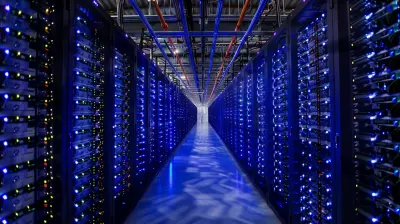
The Impact of IoT on Supply Chain Management
17 February 2026
The world of supply chain management (SCM) is rapidly evolving, and one of the biggest game-changers in recent years? The Internet of Things (IoT). IoT is transforming how businesses operate, especially when it comes to managing the intricate dance of goods, services, and information moving around the globe. From improving efficiency and reducing costs to enhancing transparency and customer experience, IoT is making waves. But what exactly is the impact of IoT on supply chain management, and why should businesses care?
Let’s dive into the world of IoT and supply chains, and explore how this tech trend is driving a revolution.
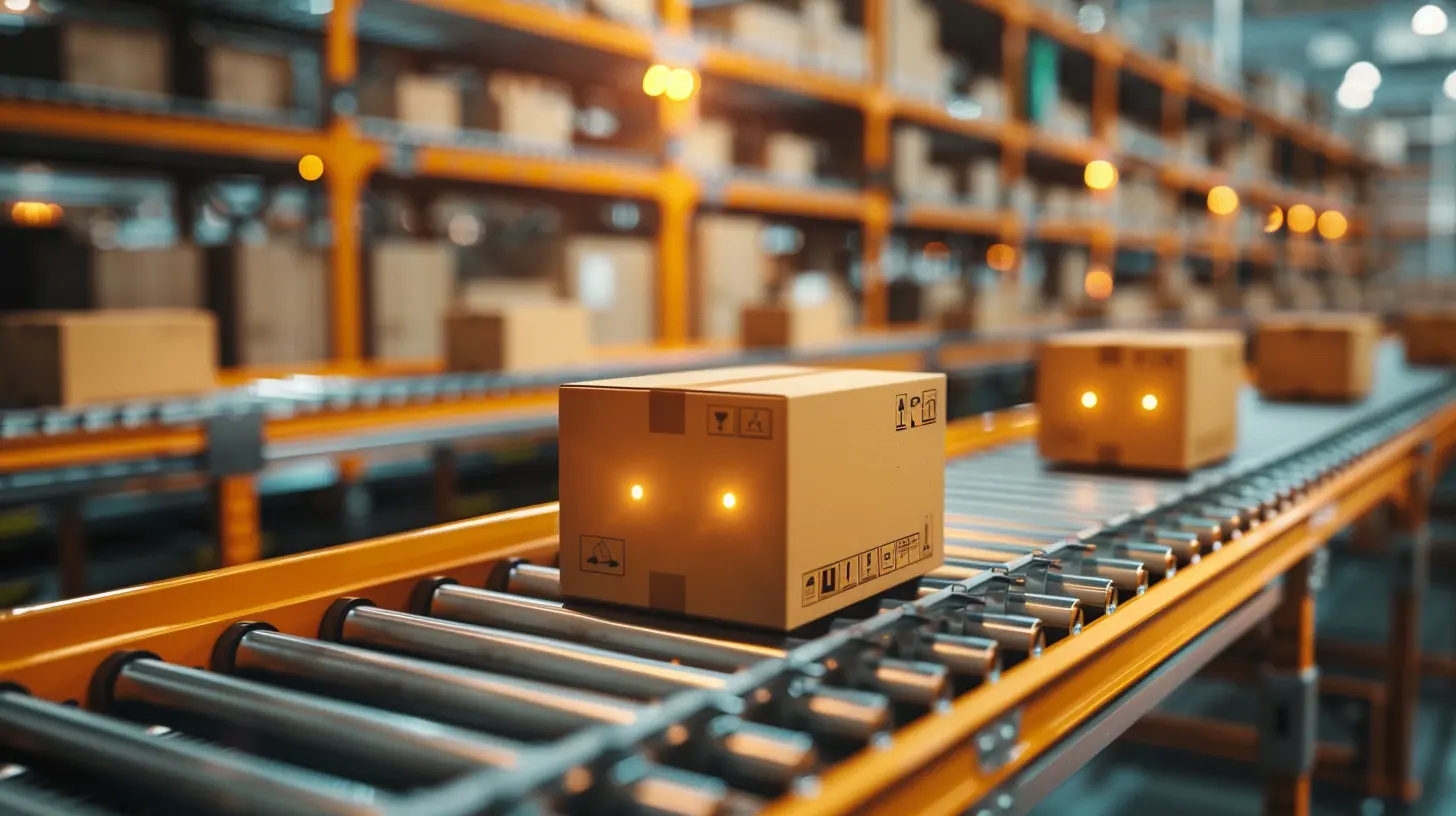
What is IoT?
Before we jump into the deep end of supply chain management, let’s take a quick refresher on what IoT actually is. IoT, or the Internet of Things, refers to the network of connected devices that communicate with one another via the internet. These aren't just your regular computers or smartphones; IoT includes everything from smart refrigerators to wearable fitness trackers, industrial sensors, and even autonomous drones.Imagine a world where your fridge tells you when you're out of milk, or your car alerts you when it’s time for an oil change. That’s IoT in a nutshell. But what does this have to do with supply chain management? As it turns out, quite a lot.
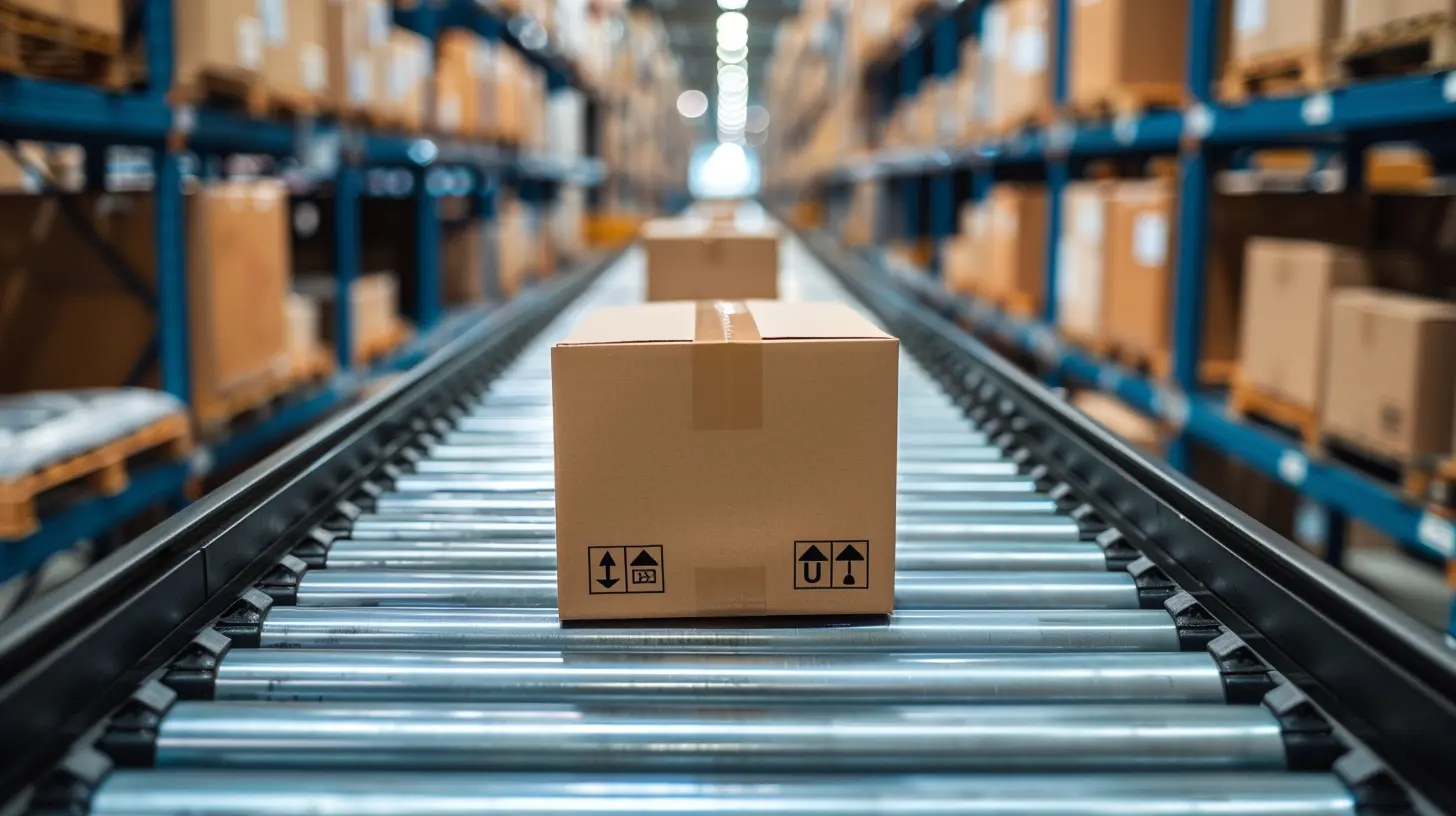
How IoT is Changing Supply Chain Management
Supply chain management, at its core, is all about the smooth flow of products from point A to point B. It’s a complex system involving manufacturers, suppliers, warehouses, logistics companies, and retailers. Now, imagine if every link in that chain was smart and connected. That's the magic IoT brings to the table.1. Real-Time Tracking and Visibility
One of the biggest advantages IoT offers to supply chain management is real-time tracking and visibility. Traditionally, businesses had to rely on manual processes or delayed updates to know where their goods were. But IoT changes the game by allowing businesses to track their assets in real-time. GPS-enabled IoT devices can be placed on shipments, pallets, or even individual products, providing minute-by-minute updates on their location.This level of visibility is a game-changer. Imagine being able to know exactly where a shipment is at any given moment. It reduces the risk of lost or delayed goods and allows businesses to respond immediately if issues arise. Late shipment? No problem – you’ll know before your customer does.
Use Case: Amazon's Supply Chain
Amazon, the e-commerce giant, is a prime example of a company leveraging IoT to enhance its supply chain. The company uses IoT sensors to track the movement of products in its vast network of warehouses and distribution centers. This real-time data allows Amazon to optimize its operations, ensuring that products are stocked and shipped efficiently.2. Predictive Maintenance
Here's a scenario: You're running a fleet of trucks, and one of them breaks down unexpectedly, causing delays in delivery. It's a supply chain manager's worst nightmare. However, with IoT, businesses can implement predictive maintenance, which uses sensors to monitor equipment and predict when it’s likely to fail.By tracking things like vibration, temperature, and usage patterns, IoT devices can alert managers to potential issues before they become major problems. Instead of waiting for a breakdown, you can fix the problem in advance, keeping your supply chain running smoothly and reducing downtime.
Use Case: DHL's Smart Fleet
DHL, one of the world’s largest logistics companies, utilizes IoT sensors on its fleet of delivery trucks. These sensors monitor the health of the vehicles, providing real-time data on engine performance, tire pressure, and more. By using this data to predict when trucks need maintenance, DHL has been able to reduce breakdowns and improve delivery times.3. Inventory Management and Optimization
Managing inventory is always a tricky balancing act. You don’t want to run out of stock, but you also don’t want to overstock and waste valuable warehouse space. IoT helps solve this problem by providing real-time data on inventory levels.Smart shelves and RFID tags can be used to monitor stock levels in real-time, ensuring that businesses always have an accurate picture of their inventory. This allows for more efficient restocking and helps prevent overstocking or understocking, which can both be costly.
Use Case: Walmart's Smart Shelves
Walmart has been experimenting with IoT-powered "smart shelves" that use sensors to detect when stock is running low. These shelves automatically send alerts to managers, ensuring that products are restocked in a timely manner. This not only improves efficiency but also enhances the shopping experience for customers by reducing the chances of out-of-stock items.4. Enhanced Supply Chain Transparency
In today’s world, consumers are more conscious than ever about where their products come from. They want to know that the products they’re buying are sourced ethically and sustainably. IoT can help provide this transparency by tracking products throughout the entire supply chain.With IoT, businesses can monitor every step of the supply chain, from raw material sourcing to the final delivery. This data can then be shared with consumers, providing them with a detailed picture of where their products come from, how they were made, and how they reached their doorstep. It’s like giving every product a digital passport.
Use Case: IBM Food Trust
IBM’s Food Trust platform uses IoT and blockchain technology to track food products from farm to table. By providing real-time data on things like temperature, location, and handling, IBM Food Trust helps ensure food safety and allows consumers to know exactly where their food comes from. This level of transparency is increasingly important in today’s market, where health and sustainability are top priorities.5. Improved Customer Experience
An efficient supply chain doesn’t just benefit businesses – it also enhances the customer experience. Thanks to IoT, businesses can provide customers with real-time updates on their orders, from when a product leaves the warehouse to when it arrives at their door. This level of transparency builds trust and keeps customers informed every step of the way.Additionally, by using IoT to optimize the supply chain, businesses can reduce delivery times, minimize errors, and ensure that products arrive in perfect condition. All of this adds up to happier, more satisfied customers.
Use Case: Zara's Supply Chain Efficiency
Zara, the fast-fashion retailer, uses IoT to streamline its supply chain and reduce lead times. By monitoring inventory levels and using RFID technology, Zara can quickly restock its stores and keep up with rapidly changing fashion trends. This not only improves efficiency but also ensures that customers can find the latest styles in-store when they want them.6. Cost Reduction and Increased Efficiency
Let’s face it – running a supply chain can be expensive. From transportation costs to inventory management, there are a lot of moving parts that can drive up expenses. IoT helps businesses reduce these costs by optimizing every aspect of the supply chain.For example, real-time tracking allows businesses to optimize delivery routes, reducing fuel consumption and transportation costs. Predictive maintenance prevents costly breakdowns, and smart inventory management reduces the need for excess stock. By automating processes and using data to drive decisions, IoT helps businesses operate more efficiently and cut costs.
Use Case: Maersk's Smart Shipping
Maersk, a global shipping company, uses IoT to monitor its shipping containers in real-time. By tracking things like temperature, humidity, and location, Maersk can optimize its shipping routes and ensure that goods arrive in optimal condition. This not only improves efficiency but also reduces costs by minimizing waste and preventing delays.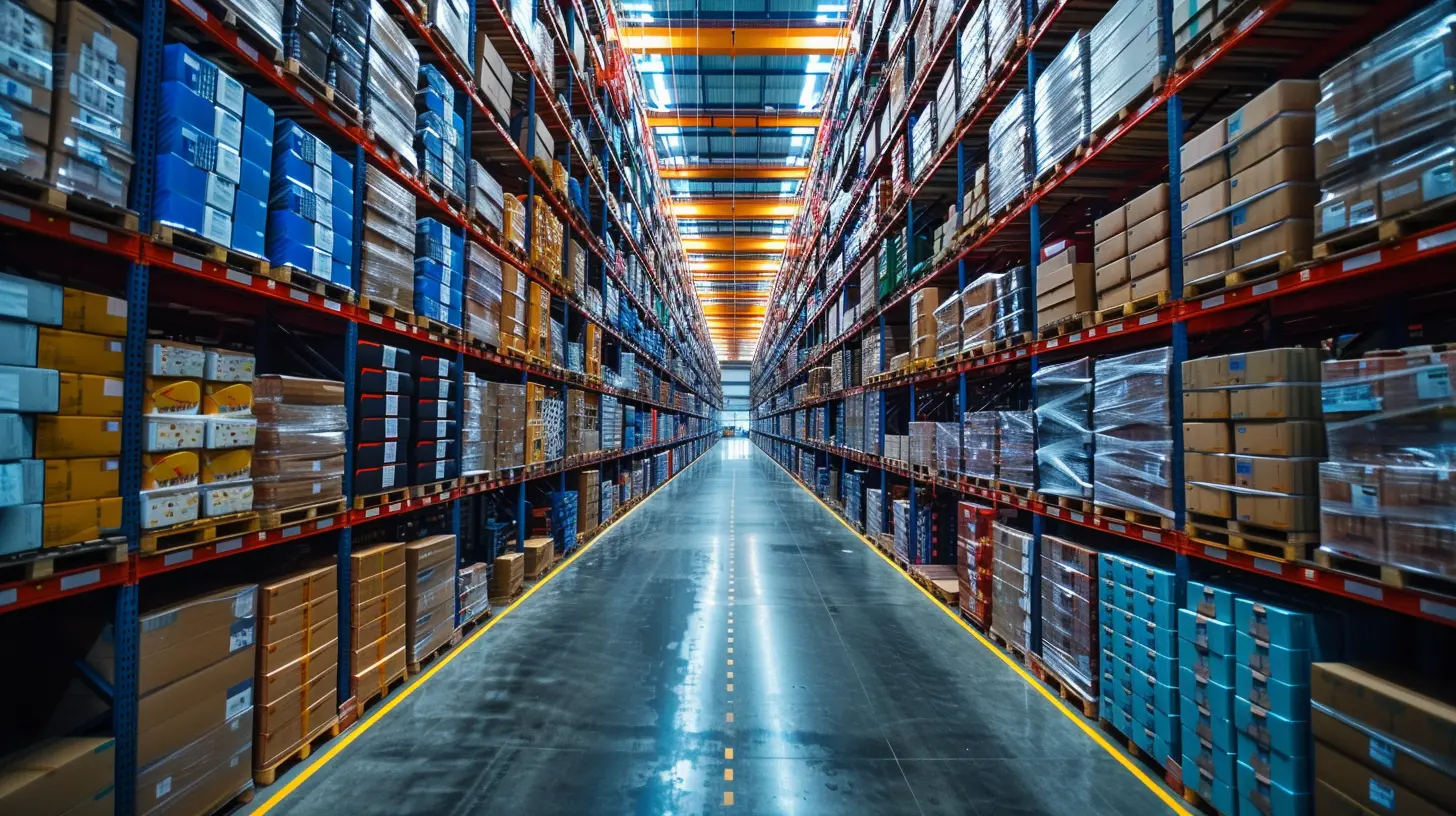
The Future of IoT in Supply Chain Management
While IoT is already having a significant impact on supply chain management, we’re only scratching the surface of what's possible. As IoT technology continues to advance, we can expect even more innovations that will further revolutionize the industry.One exciting development is the use of autonomous vehicles and drones for delivery. IoT will play a key role in enabling these technologies by providing real-time data on traffic conditions, weather, and other factors that could impact delivery times. Additionally, IoT-powered robots are already being used in warehouses to automate tasks like picking and packing, further improving efficiency.
Another area to watch is the integration of IoT with artificial intelligence (AI). By combining the real-time data provided by IoT with the predictive power of AI, businesses will be able to make even smarter decisions, optimize their supply chains, and stay ahead of the competition.
Conclusion
There's no doubt about it – IoT is transforming supply chain management in ways we couldn’t have imagined just a few years ago. From real-time tracking and predictive maintenance to improved inventory management and enhanced customer experiences, IoT is helping businesses operate more efficiently, reduce costs, and stay competitive in an increasingly fast-paced world.As IoT technology continues to evolve, its impact on supply chain management will only grow. For businesses looking to stay ahead of the curve, adopting IoT is no longer just an option – it’s a necessity. So, are you ready to embrace the future of supply chain management with IoT?
all images in this post were generated using AI tools
Category:
Iot DevicesAuthor:

Gabriel Sullivan
Discussion
rate this article
2 comments
Emory Baxter
Ah, the Internet of Things in supply chains—where your fridge might just remind you to order more milk, while your delivery drone gets lost because it’s distracted by a cat video. Classic!
March 22, 2026 at 4:24 AM
Gabriel Sullivan
Haha, that's a great way to put it! The potential of IoT in supply chains is exciting, but we still need to keep the tech on track.
Jonah Carter
IoT reshapes efficiency, transparency, and responsiveness.
February 19, 2026 at 1:11 PM
Gabriel Sullivan
Absolutely! IoT enhances supply chain management by optimizing processes, improving visibility, and enabling quicker decision-making.