Russia Upgrades Shahed Drones for Enhanced Assaults on Ukraine
July 3, 2025 - 05:54

Russian military forces have reportedly improved the capabilities of Iranian-made Shahed drones, transforming them into more lethal weapons in their ongoing conflict with Ukraine. According to sources in Kyiv, these modifications have rendered the drones not only more effective in carrying out attacks but also less susceptible to interception by Ukrainian defense systems.
The advancements in drone technology are believed to include enhancements in navigation, targeting accuracy, and payload capacity. This development poses a significant challenge for Ukrainian forces, who have been working diligently to bolster their air defense mechanisms in response to the increasing threat from these aerial assaults.
As the conflict continues, the use of drones has become a pivotal element in modern warfare, allowing for precision strikes while minimizing the risk to ground troops. The evolving capabilities of these Shahed drones underscore the dynamic nature of the battlefield and the ongoing arms race between the two nations.
MORE NEWS

August 18, 2026 - 00:55
Why Marvell Technology Rallied TodayMarvell Technology saw its stock climb sharply in trading today, riding a wave of strength across the semiconductor industry while receiving a fresh round of upbeat commentary from Wall Street...
August 17, 2026 - 05:56
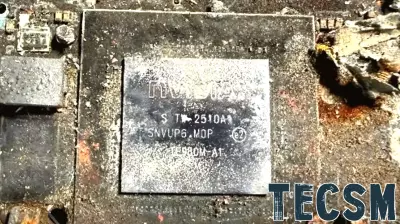
US-Made AI Chip Found Inside Russia’s New Cruise MissileA recent examination of a downed Russian cruise missile has turned up an unexpected component: a commercial AI processor manufactured by the American company Nvidia. The module, identified as a...

August 16, 2026 - 18:51
MoneySimpler Examines How Financial Technology Is Shaping the Future of Personalized InvestingNEW YORK, August 15, 2026 - The days of one-size-fits-all investing advice are fading fast. A new analysis from MoneySimpler looks at how financial technology is pushing the industry toward...
August 16, 2026 - 04:20
NTU to ditch AI detectors, says technology too unreliable to prove cheatingSINGAPORE, Aug 16 - Nanyang Technological University is scrapping its use of institutional AI detection software, admitting the tools are too error-prone to serve as proof of academic misconduct....