Rico Hoey Secures Birdie on 18th Hole at World Wide Technology Championship
November 10, 2025 - 01:22
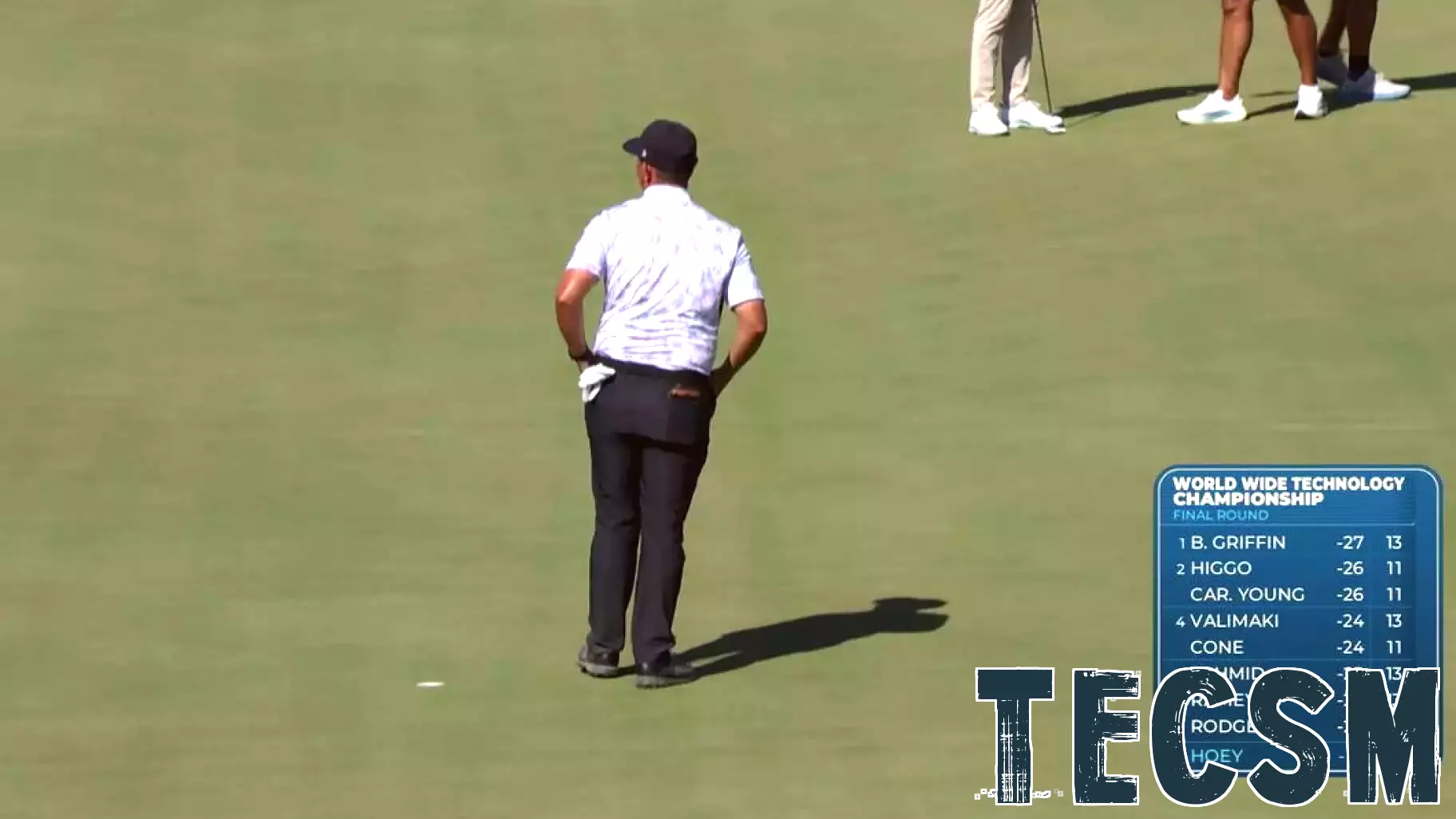
In the final round of the 2025 World Wide Technology Championship, golfer Rico Hoey delivered an impressive performance by sinking a birdie on the challenging par-5 18th hole. This crucial moment not only showcased his skill but also highlighted his determination to finish strong in the tournament.
Hoey's birdie on the last hole was a testament to his strategic play throughout the day, as he navigated the course with precision and focus. As the tournament drew to a close, the atmosphere was electric, with fans eagerly anticipating how the final holes would unfold.
The 18th hole, known for its difficulty, proved to be a pivotal point for Hoey, who managed to capitalize on the opportunity, leaving a lasting impression on both spectators and fellow competitors. His performance at the World Wide Technology Championship has solidified his reputation as a rising star in the golfing world, and fans are excited to see what he will accomplish in future tournaments.
MORE NEWS

August 18, 2026 - 00:55
Why Marvell Technology Rallied TodayMarvell Technology saw its stock climb sharply in trading today, riding a wave of strength across the semiconductor industry while receiving a fresh round of upbeat commentary from Wall Street...
August 17, 2026 - 05:56
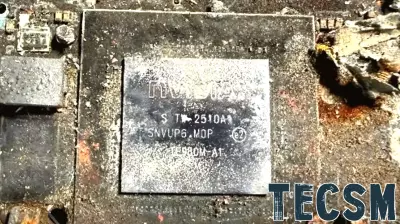
US-Made AI Chip Found Inside Russia’s New Cruise MissileA recent examination of a downed Russian cruise missile has turned up an unexpected component: a commercial AI processor manufactured by the American company Nvidia. The module, identified as a...

August 16, 2026 - 18:51
MoneySimpler Examines How Financial Technology Is Shaping the Future of Personalized InvestingNEW YORK, August 15, 2026 - The days of one-size-fits-all investing advice are fading fast. A new analysis from MoneySimpler looks at how financial technology is pushing the industry toward...
August 16, 2026 - 04:20
NTU to ditch AI detectors, says technology too unreliable to prove cheatingSINGAPORE, Aug 16 - Nanyang Technological University is scrapping its use of institutional AI detection software, admitting the tools are too error-prone to serve as proof of academic misconduct....