NASA Refutes Claims of 3I/ATLAS Comet as Alien Technology
September 14, 2025 - 22:41
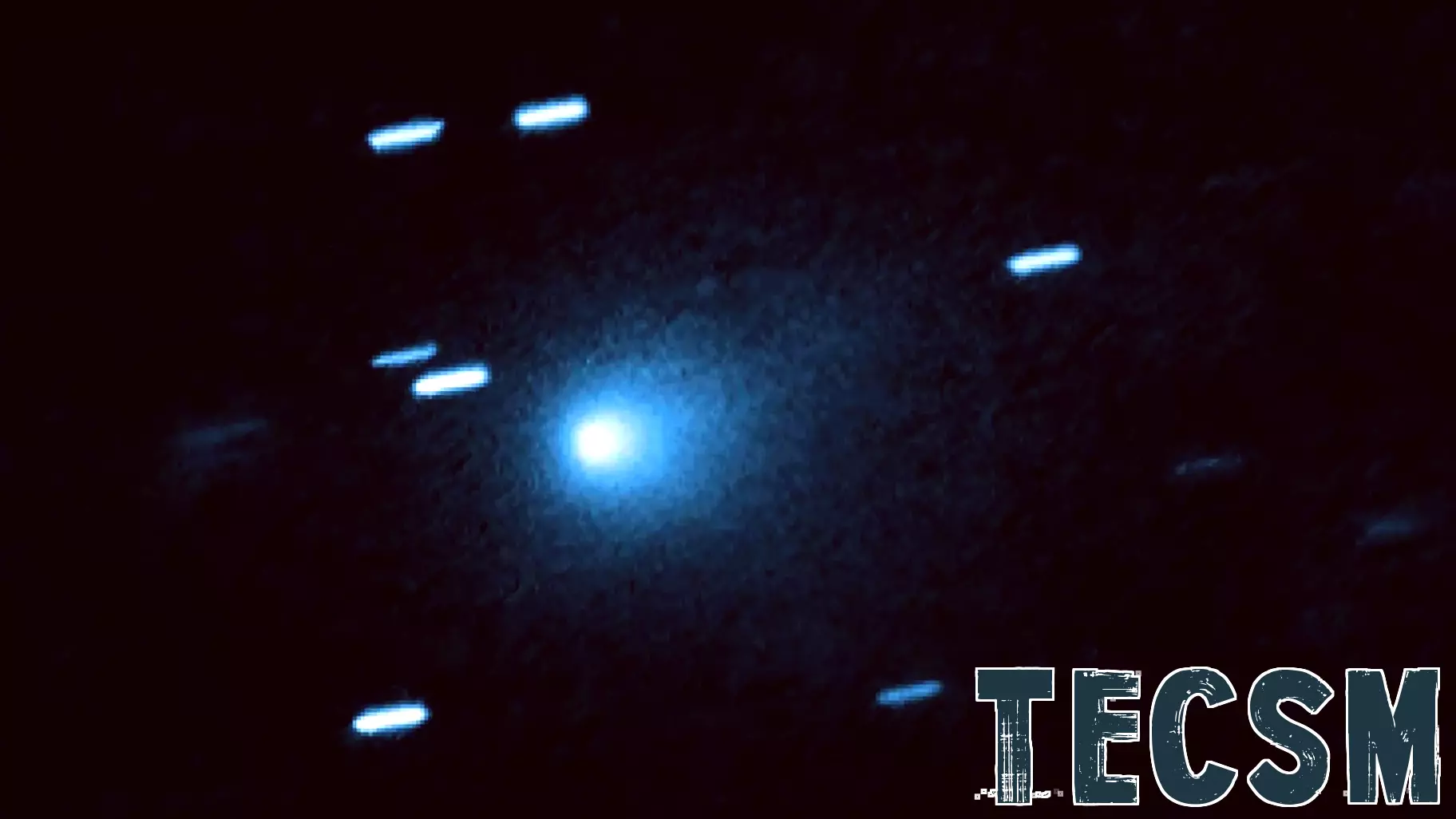
NASA has officially dismissed the controversial assertion made by astronomer Avi Loeb regarding the comet 3I/ATLAS. Loeb proposed that this celestial body could potentially be a piece of malicious alien technology, sparking significant debate within the scientific community. However, NASA's recent findings indicate that the comet is a natural phenomenon, consistent with the characteristics of other known comets.
The agency emphasized that while the idea of extraterrestrial technology is intriguing, there is no substantial evidence to support such claims. Instead, 3I/ATLAS is believed to be a typical comet composed of ice, dust, and rocky materials, which is common in the solar system. NASA's scientists urge the public and fellow researchers to rely on empirical data and established scientific methods when evaluating celestial objects.
This clarification serves to reinforce the importance of rigorous scientific inquiry and the need to separate speculation from verified research in the field of astronomy.
MORE NEWS

August 18, 2026 - 00:55
Why Marvell Technology Rallied TodayMarvell Technology saw its stock climb sharply in trading today, riding a wave of strength across the semiconductor industry while receiving a fresh round of upbeat commentary from Wall Street...
August 17, 2026 - 05:56
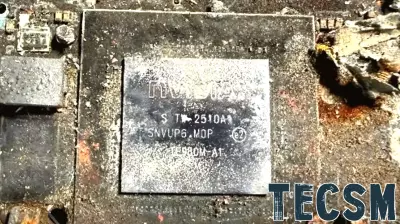
US-Made AI Chip Found Inside Russia’s New Cruise MissileA recent examination of a downed Russian cruise missile has turned up an unexpected component: a commercial AI processor manufactured by the American company Nvidia. The module, identified as a...

August 16, 2026 - 18:51
MoneySimpler Examines How Financial Technology Is Shaping the Future of Personalized InvestingNEW YORK, August 15, 2026 - The days of one-size-fits-all investing advice are fading fast. A new analysis from MoneySimpler looks at how financial technology is pushing the industry toward...

August 16, 2026 - 04:20
NTU to ditch AI detectors, says technology too unreliable to prove cheatingSINGAPORE, Aug 16 - Nanyang Technological University is scrapping its use of institutional AI detection software, admitting the tools are too error-prone to serve as proof of academic misconduct....