Innovative Microfluidics Technology Paves the Way for Organ Repair and Regeneration
June 21, 2025 - 04:42
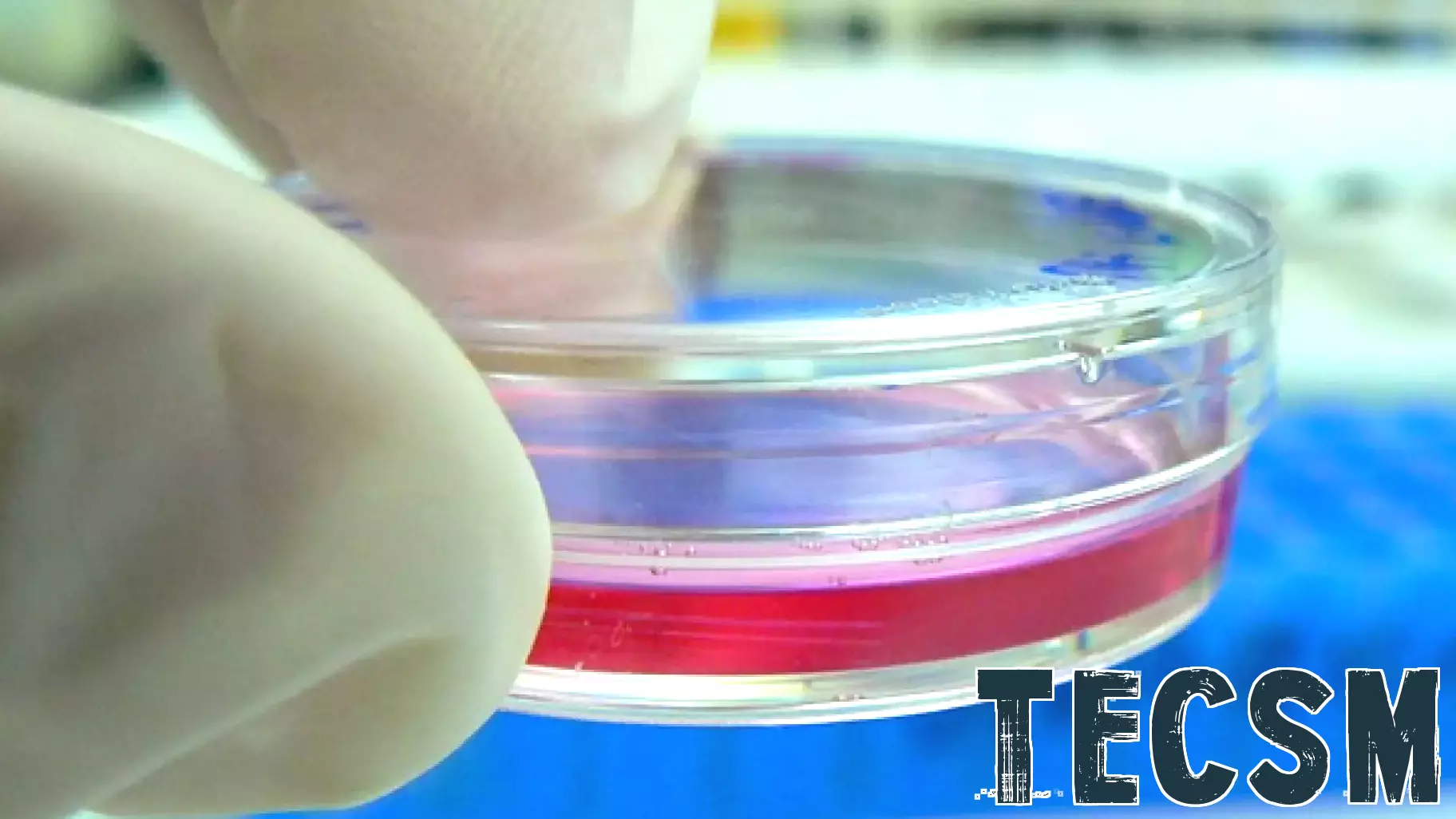
Recent advancements in microfluidics technology, developed by researchers at the University of Queensland, could revolutionize the field of organ repair and regeneration. This cutting-edge approach utilizes tiny gel droplets that have shown significant potential in the repair and replacement of damaged organs. The technology allows for precise manipulation of biological materials at a microscale, enabling scientists to create more effective treatments for various organ-related ailments.
The gel droplets can encapsulate living cells and bioactive materials, providing a supportive environment for cell growth and tissue development. This innovative method not only enhances the survival of transplanted cells but also promotes their integration into existing tissues. As a result, this technology could lead to breakthroughs in regenerative medicine, offering hope to patients suffering from organ failure or severe injuries.
With ongoing research and development, this microfluidics technology stands to transform therapeutic strategies, potentially reducing the need for organ transplants and improving recovery outcomes for countless individuals.
MORE NEWS

August 18, 2026 - 00:55
Why Marvell Technology Rallied TodayMarvell Technology saw its stock climb sharply in trading today, riding a wave of strength across the semiconductor industry while receiving a fresh round of upbeat commentary from Wall Street...
August 17, 2026 - 05:56
US-Made AI Chip Found Inside Russia’s New Cruise MissileA recent examination of a downed Russian cruise missile has turned up an unexpected component: a commercial AI processor manufactured by the American company Nvidia. The module, identified as a...

August 16, 2026 - 18:51
MoneySimpler Examines How Financial Technology Is Shaping the Future of Personalized InvestingNEW YORK, August 15, 2026 - The days of one-size-fits-all investing advice are fading fast. A new analysis from MoneySimpler looks at how financial technology is pushing the industry toward...

August 16, 2026 - 04:20
NTU to ditch AI detectors, says technology too unreliable to prove cheatingSINGAPORE, Aug 16 - Nanyang Technological University is scrapping its use of institutional AI detection software, admitting the tools are too error-prone to serve as proof of academic misconduct....