GSI Technology Secures Army Contract for Cutting-Edge AI Development
January 17, 2025 - 20:00

GSI Technology has been awarded a $250,000 Small Business Innovation Research (SBIR) contract by the U.S. Army to advance military-grade artificial intelligence solutions. The contract focuses on the development of the Gemini-II Accelerated Processing Unit (APU), which is designed to enhance edge computing capabilities in military applications.
The Gemini-II APU boasts 2M-bit processors, enabling efficient data processing and decision-making in real-time scenarios. This technology aims to improve the Army's operational effectiveness by integrating advanced AI functionalities directly at the edge, where data is generated. By leveraging this innovative approach, military personnel can access critical information and insights more rapidly, enhancing situational awareness and response times in the field.
GSI Technology's commitment to providing robust and reliable AI solutions positions it as a key player in the defense technology sector, aiming to meet the evolving needs of modern warfare and military operations.
MORE NEWS

August 18, 2026 - 00:55
Why Marvell Technology Rallied TodayMarvell Technology saw its stock climb sharply in trading today, riding a wave of strength across the semiconductor industry while receiving a fresh round of upbeat commentary from Wall Street...
August 17, 2026 - 05:56
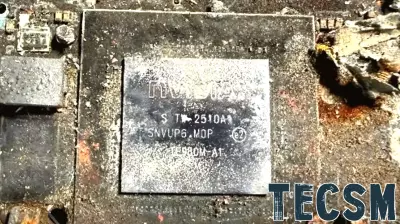
US-Made AI Chip Found Inside Russia’s New Cruise MissileA recent examination of a downed Russian cruise missile has turned up an unexpected component: a commercial AI processor manufactured by the American company Nvidia. The module, identified as a...

August 16, 2026 - 18:51
MoneySimpler Examines How Financial Technology Is Shaping the Future of Personalized InvestingNEW YORK, August 15, 2026 - The days of one-size-fits-all investing advice are fading fast. A new analysis from MoneySimpler looks at how financial technology is pushing the industry toward...
August 16, 2026 - 04:20
NTU to ditch AI detectors, says technology too unreliable to prove cheatingSINGAPORE, Aug 16 - Nanyang Technological University is scrapping its use of institutional AI detection software, admitting the tools are too error-prone to serve as proof of academic misconduct....