DNA technology identifies suspect in 45-year-old Columbus killings
January 24, 2026 - 00:54

A chilling, 45-year-old cold case involving the murders of a woman and her child has been solved through advanced DNA technology, Columbus police announced. The victims, identified as Lynn Vest and her young son, were found deceased in their home in 1980.
For decades, the case remained open with no identified suspects. The turning point came when investigators utilized modern forensic genetic genealogy. This technique involves uploading crime scene DNA to public genealogy databases to find potential relatives of an unknown suspect, building a family tree that can lead to an identification.
Through this meticulous process, detectives identified the late William D. Rose as the prime suspect. Rose, who died in 1991, was never charged in his lifetime for these crimes. While the technological breakthrough provides long-sought answers to investigators and the victims' family, it also underscores the haunting nature of cases where justice cannot be fully served in a traditional court of law. The announcement brings a formal conclusion to one of the city's oldest active homicide investigations.
MORE NEWS

August 18, 2026 - 00:55
Why Marvell Technology Rallied TodayMarvell Technology saw its stock climb sharply in trading today, riding a wave of strength across the semiconductor industry while receiving a fresh round of upbeat commentary from Wall Street...
August 17, 2026 - 05:56
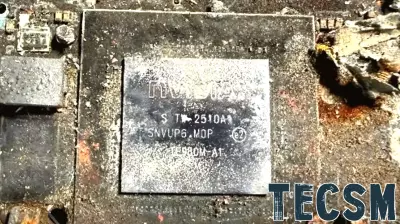
US-Made AI Chip Found Inside Russia’s New Cruise MissileA recent examination of a downed Russian cruise missile has turned up an unexpected component: a commercial AI processor manufactured by the American company Nvidia. The module, identified as a...

August 16, 2026 - 18:51
MoneySimpler Examines How Financial Technology Is Shaping the Future of Personalized InvestingNEW YORK, August 15, 2026 - The days of one-size-fits-all investing advice are fading fast. A new analysis from MoneySimpler looks at how financial technology is pushing the industry toward...

August 16, 2026 - 04:20
NTU to ditch AI detectors, says technology too unreliable to prove cheatingSINGAPORE, Aug 16 - Nanyang Technological University is scrapping its use of institutional AI detection software, admitting the tools are too error-prone to serve as proof of academic misconduct....