Big Technology to Host Inaugural AI Summit in San Francisco
May 6, 2026 - 18:53
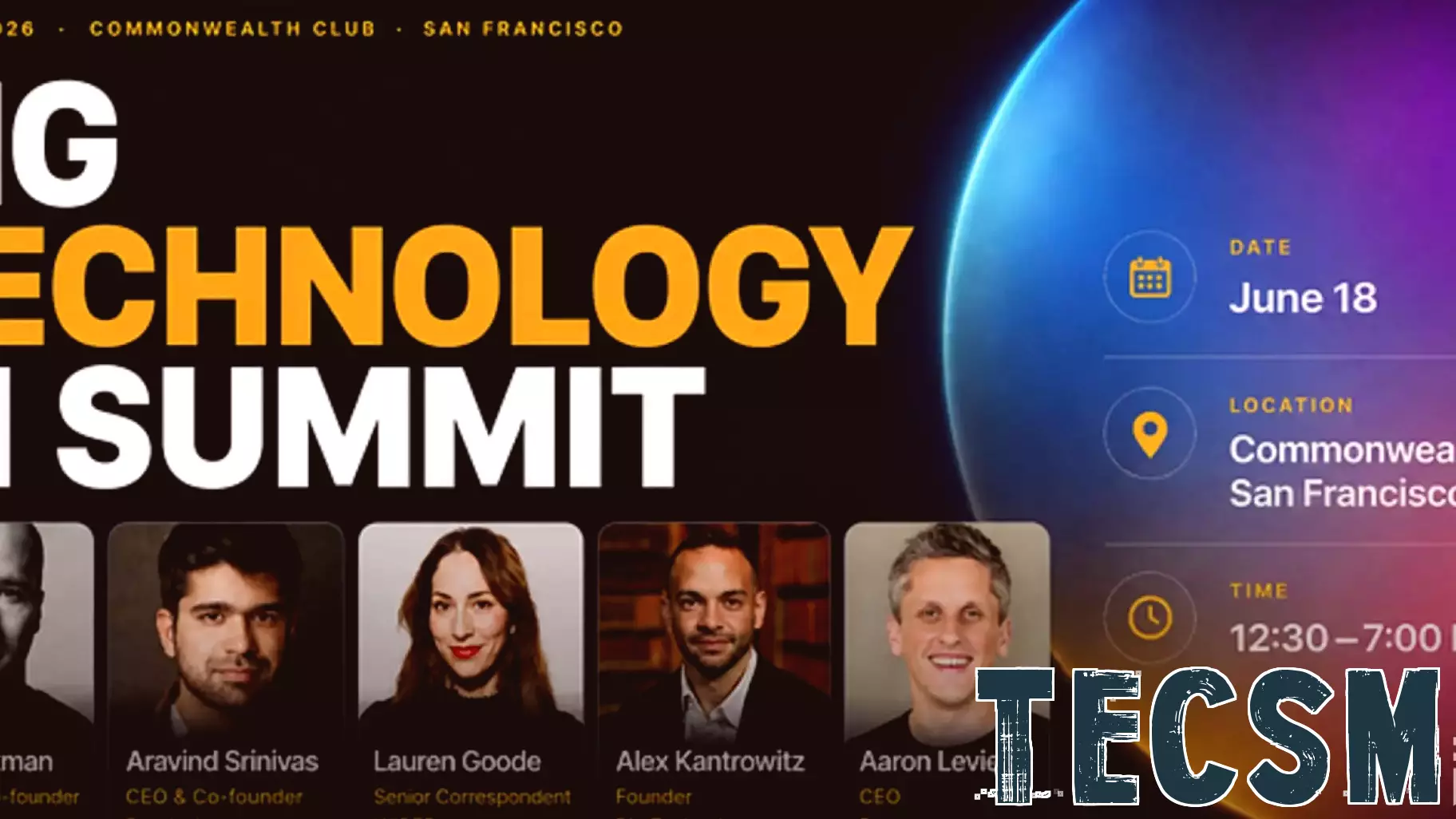
Big Technology is launching its first-ever AI Summit, set for June 18, 2026 in San Francisco. The event will take place at The Commonwealth Club and feature a full day of interviews with prominent figures in artificial intelligence, followed by a rooftop wine reception.
OpenAI President Greg Brockman is scheduled to discuss the company's direction, its latest models, and the current state of the AI race. Perplexity CEO Aravind Srinivas will talk about the company's new Personal Computer super-agent and what lies ahead for agentic AI. Box CEO Aaron Levie will cover enterprise AI applications and breaking news in the space. Wired senior correspondent Lauren Goode will join as a co-interviewer. Additional speakers are expected to be announced.
Organizers are keeping the event intentionally small, capping attendance at 200 to 250 people. The summit is being positioned as an anti-tradeshow, focused on substantive conversations rather than vendor booths or sales pitches.
MORE NEWS

August 18, 2026 - 00:55
Why Marvell Technology Rallied TodayMarvell Technology saw its stock climb sharply in trading today, riding a wave of strength across the semiconductor industry while receiving a fresh round of upbeat commentary from Wall Street...
August 17, 2026 - 05:56
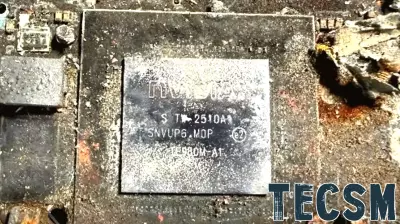
US-Made AI Chip Found Inside Russia’s New Cruise MissileA recent examination of a downed Russian cruise missile has turned up an unexpected component: a commercial AI processor manufactured by the American company Nvidia. The module, identified as a...

August 16, 2026 - 18:51
MoneySimpler Examines How Financial Technology Is Shaping the Future of Personalized InvestingNEW YORK, August 15, 2026 - The days of one-size-fits-all investing advice are fading fast. A new analysis from MoneySimpler looks at how financial technology is pushing the industry toward...
August 16, 2026 - 04:20
NTU to ditch AI detectors, says technology too unreliable to prove cheatingSINGAPORE, Aug 16 - Nanyang Technological University is scrapping its use of institutional AI detection software, admitting the tools are too error-prone to serve as proof of academic misconduct....