What You Need to Know About Smartphone AI in 2026
1 May 2026
Let's be real for a second. If you bought a flagship phone in 2024 or 2025, you were sold on "AI." Your gallery app could erase photobombers, your keyboard predicted your texts, and your voice assistant could set a timer. Cute. But in 2026, that feels like playing with a Tamagotchi when the actual robot uprising is happening. We are past the gimmick stage. We are past the "look what my phone can do" party trick. Smartphone AI in 2026 is not a feature. It is the operating system. It is the battery. It is the camera. It is the reason you might finally throw away your laptop.
So, what do you actually need to know before you drop a grand on a new slab of glass and metal this year? Let's cut through the marketing fluff.
The Death of the "App" as You Know It
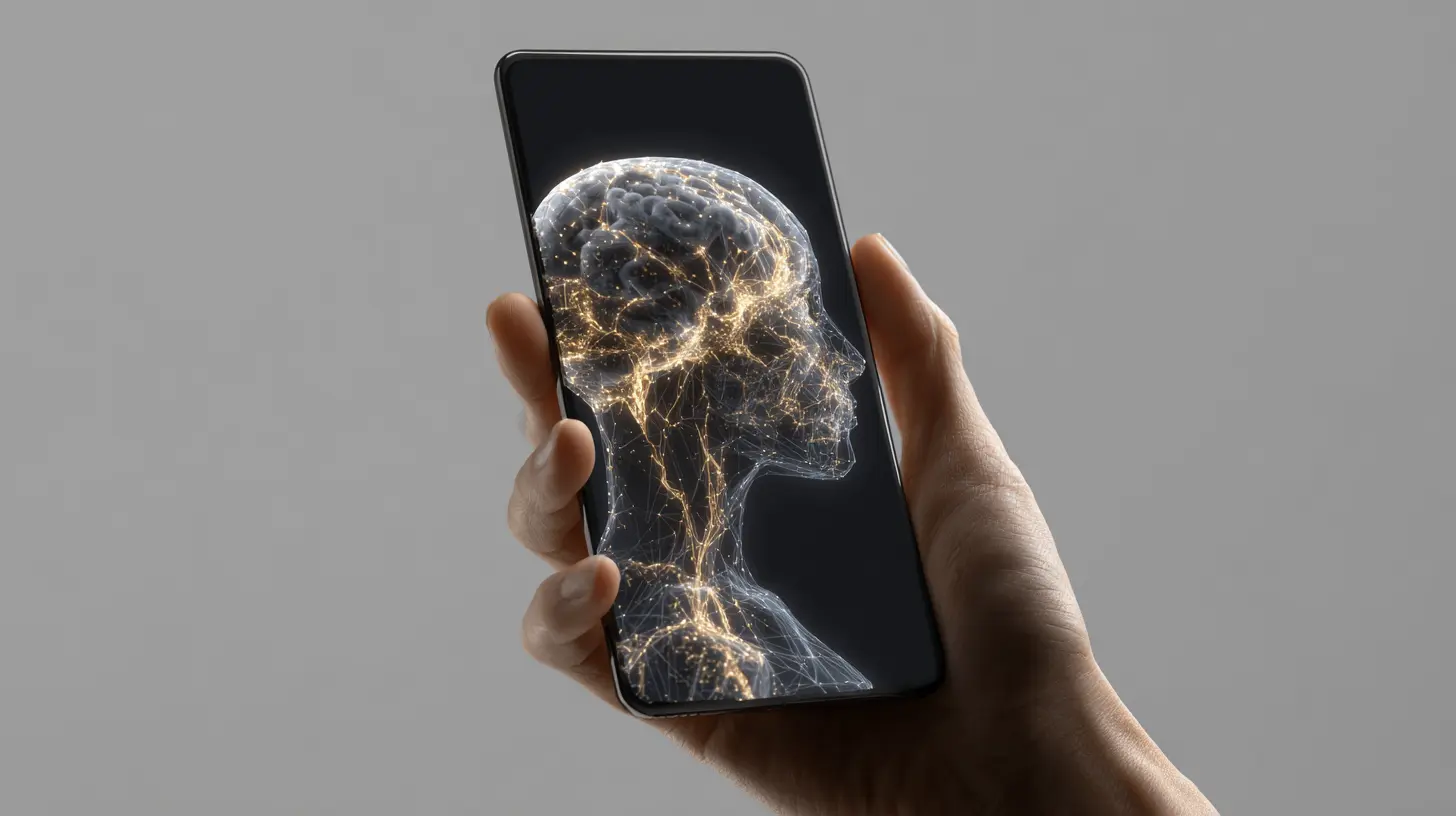
Remember when you had to open an app to do a thing? Open Uber to call a ride. Open Spotify to play a song. Open Chrome to search the web. That workflow is officially on life support. In 2026, your phone's AI is an "agent," not a helper. It lives across your entire operating system.Think of it like a really competent personal assistant who sits on your shoulder. You don't tell your assistant to "open the filing cabinet and get the red folder." You just say, "I need the contract from last Tuesday." The assistant gets it.
Your phone works the same way now. You don't open a note-taking app to jot down an idea. You just speak it into the void, and the AI places it in the right place, tags it, and links it to your calendar event from that morning. You don't open a flight app to check delays. The AI proactively surfaces a card on your lock screen thirty minutes before you need to leave, saying, "Your flight is delayed by two hours. I rebooked you on the 6 PM. Want coffee at the terminal Starbucks? I already put the order in."
This is the "agentic" era. The phone acts on your behalf. The line between the hardware, the software, and the cloud is completely blurred. If your phone in 2026 still forces you to dig through a grid of icons to find an app, you bought the wrong phone.
The Camera Is Now a Lie (And That's a Good Thing)
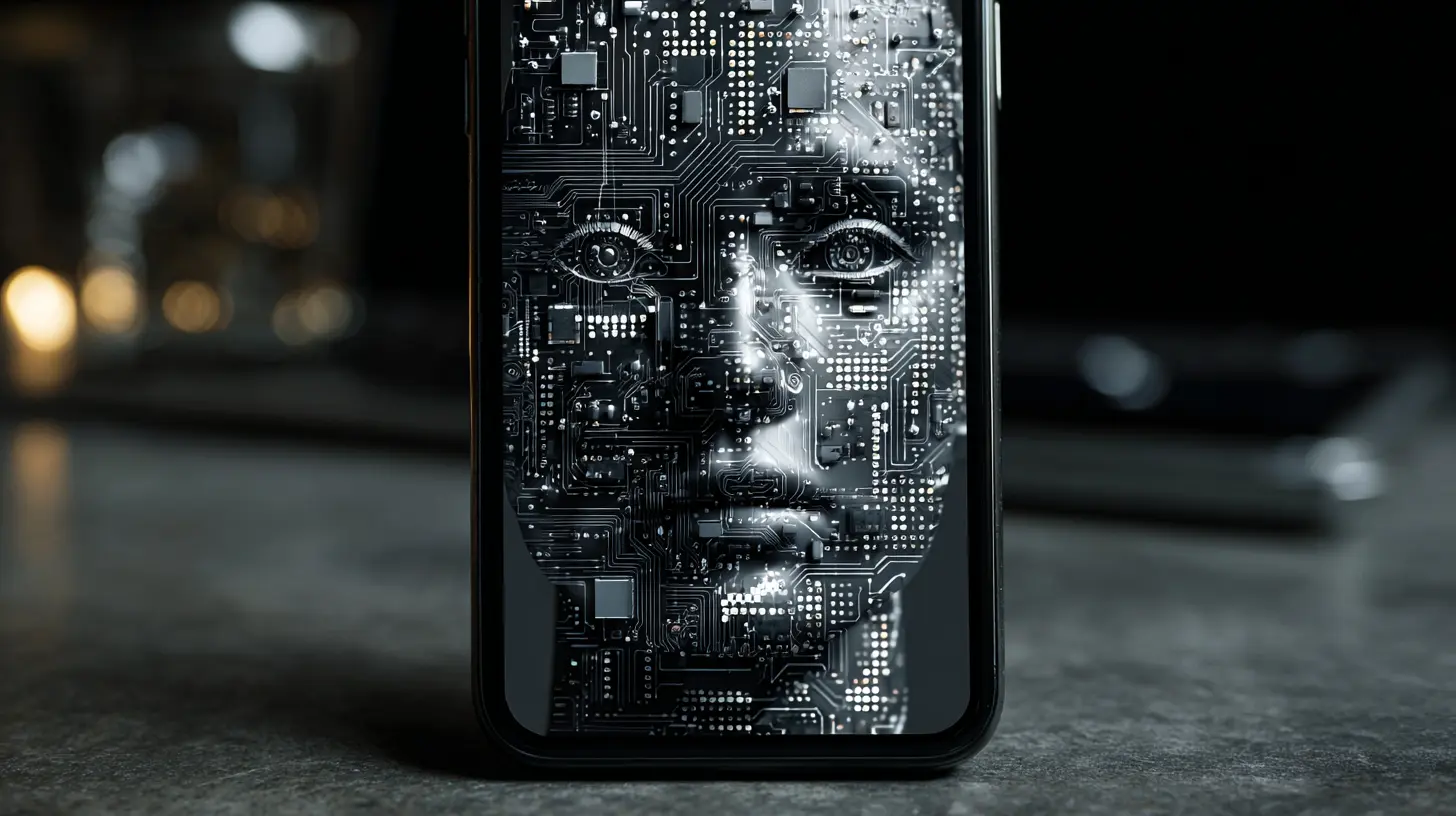
We need to have an honest conversation about photography. For years, smartphone cameras tried to mimic reality. "Natural" was the goal. In 2026, the goal is "better than reality."Computational photography has evolved into "generative photography." Your phone's camera sensor captures raw data -- light, shadow, grain. But the AI doesn't just process that data to reduce noise. It fills in the gaps with synthetic data that looks more realistic than the real thing.
Let me give you an example. You take a photo of your dog running in a dark park. In 2024, the phone would brighten the scene, smooth the fur, and kill the motion blur. The result was a flat, over-processed image that looked like a watercolor painting. In 2026, the AI analyzes the motion, predicts where the dog's legs should be in the fraction of a second you missed, and renders a completely new, sharp fur texture that never actually existed. It didn't "fix" the photo. It rebuilt it.
Is it real? No. Does it look better than what your eyes saw? Absolutely. This is the new normal. The "truth" of a photograph is dead. We are now in the realm of "memory enhancement." The AI asks, "What did you want to see?" and then delivers that.
The wild part is the video. Real-time AI upscaling on video footage is now standard. You can shoot a 1080p video at night, and the phone will upscale it to 4K in real-time, adding detail and removing noise frame by frame. It's not magic. It's a neural engine doing 45 trillion operations per second. But it feels like magic.
Your Battery Will Last Three Days (But Not Because of Physics)
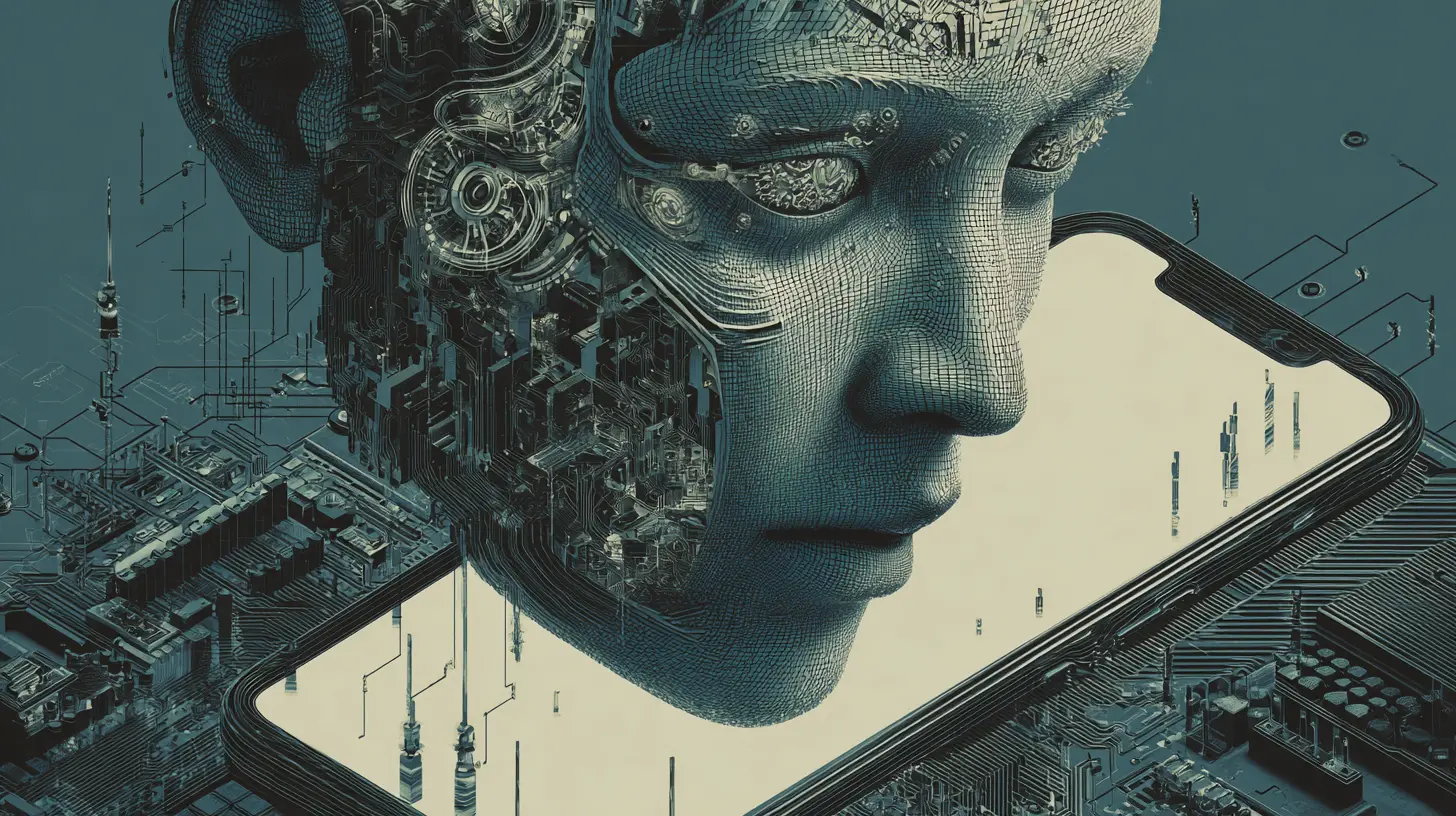
Here is the dirty little secret about smartphone batteries in 2026. The chemical technology hasn't changed that much. We are not all running around with graphene super-capacitors. The battery life is better because the AI is a ruthless energy manager.Think of your phone's power consumption like a busy city. In 2024, the power grid just pumped electricity to every building all the time, regardless of whether anyone was home. In 2026, the AI is a smart grid operator. It knows exactly which "buildings" (apps, sensors, radios) are active and which are just idling.
The AI learns your habits with terrifying accuracy. It knows that you check Reddit for exactly 12 minutes every morning while you're on the toilet. It knows you don't use GPS between 9 AM and 5 PM because you're at your desk. It knows that you never open the camera app between 2 AM and 6 AM.
So what does it do? It pre-allocates power. It puts the 5G modem into a deep sleep the second you walk into your office and your phone connects to Wi-Fi. It throttles the CPU for background apps you haven't touched in 48 hours. It even predicts when you'll need a burst of performance (like opening the camera) and pre-charges the capacitors a millisecond before you tap the icon.
The result? A 5000mAh battery that feels like a 7000mAh battery. You stop charging overnight. You plug in every other day. And when you do charge, the AI slows the charge rate to 15W overnight to preserve battery health, so your phone still has 95% capacity after two years. It's not a bigger battery. It's a smarter one.
Privacy Is No Longer Your Problem (If You Let It Be)
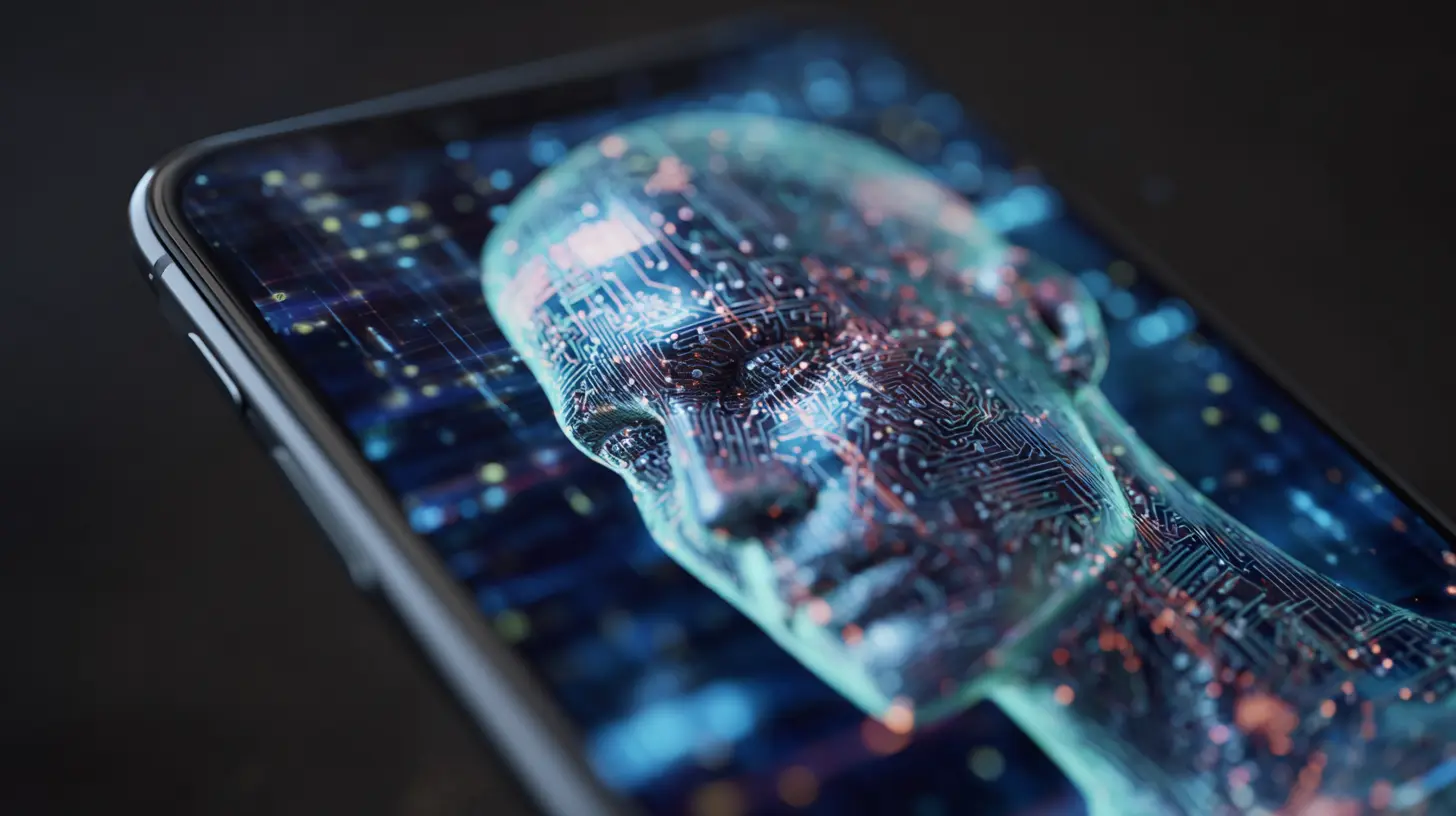
I know what you're thinking. "All this AI processing sounds like my data is being sent to a server farm in Iowa." That was the fear in 2023. In 2026, the pendulum has swung hard back to on-device processing.The big shift is the "personal cloud" model. Your phone has a dedicated AI chip that is more powerful than the main processor in a 2022 laptop. This chip runs a local Large Language Model (LLM) and a local image generation model. It knows everything about you -- your emails, your photos, your browsing history, your heart rate -- and it never, ever leaves the device.
You can ask your phone, "What did my doctor say about my cholesterol in that email from last March?" and it will retrieve the answer instantly. It doesn't need to ping a server. It reads the email locally, summarizes it locally, and shows you the result. The data never touches the internet.
This is the killer feature of 2026. The AI is incredibly powerful and incredibly personal, but it is also incredibly private. The trade-off is trust. You have to trust the chip manufacturer and the OS maker that they aren't sneaking a backdoor in. For now, the major players (Apple, Qualcomm, Samsung) are all marketing "private AI" as their main selling point. They know that if they get caught slurping data, the backlash will be nuclear.
But here's the rub: you still need cloud AI for complex tasks. If you want to generate a 4K video of your dog riding a unicorn, that's still happening in the cloud. The art of 2026 is knowing which tasks stay on the phone and which ones go to the cloud. The best phones make that decision for you, silently, without asking.
The Screen Reads Your Mind (Sort Of)
The display is the last frontier. We already have 120Hz refresh rates and 2000 nits of brightness. That's boring now. In 2026, the screen adapts to your intent, not just the environment.Imagine you are reading an article in bed. The phone knows it's 11 PM because your sleep schedule is stored locally. It knows you're lying down because the accelerometer data says so. It knows your eyes are tired because the front-facing camera detected a slight squint.
So the AI does something radical. It doesn't just dim the screen. It shifts the color temperature to a warmer, paper-like tone. It reduces the resolution slightly to save power (you're not pixel-peeping at 2 AM). It even changes the scrolling speed to match your reading pace, which it learned over the last week. The UI becomes less "glassy" and more "matte." It feels like you're reading on actual paper.
This is called "contextual rendering." The screen is no longer a passive window. It is an active participant in the experience. It changes its behavior based on who is looking at it. If your friend picks up your phone to show them a photo, the AI recognizes the face is not yours and temporarily locks sensitive notifications. The screen is now a security guard, a power manager, and a reading light, all at once.
What About the Hardware? Is It Boring?
Honestly? Yes. The hardware race is over. We have reached peak slab. The cameras are all good. The screens are all bright. The chips are all fast. The differences in 2026 are not about specs. They are about the quality of the AI integration.You will not buy a phone in 2026 because it has a 200MP camera. You will buy it because its AI can automatically edit your video podcast in real-time, adding transitions and removing "ums" while you're recording. You will buy it because its AI can translate a live conversation in your ear with zero latency, using your voice. You will buy it because its AI can run a local Stable Diffusion model that generates a custom wallpaper based on your mood, detected by your biometric sensors.
The hardware is just the vessel. The AI is the soul.
The One Thing You Must Check Before Buying
Before you swipe your credit card in 2026, look for one spec: TOPS (Trillions of Operations Per Second). This is the raw power of the Neural Processing Unit (NPU). In 2024, a good phone had around 30-40 TOPS. In 2026, the baseline is 60 TOPS. The high-end chips (like the Snapdragon 8 Gen 5 or the Apple A20) are pushing past 100 TOPS.Why does this matter? Because the AI features I described above -- the local LLM, the real-time video upscaling, the generative photography -- all require massive local compute power. If you buy a budget phone with 20 TOPS, you will get the "AI" sticker on the box, but the experience will be slow, cloud-dependent, and frankly, annoying. You'll be waiting for the AI to "think" while your friend's flagship phone has already done the task.
Cheap AI is worse than no AI. It's a half-baked promise. Spend the extra cash for the high-TOPS chip. Your future self will thank you when the phone actually feels like it's reading your mind instead of just guessing.
The Final Verdict: Is It Worth the Hype?
Yes. But only if you let it change how you use a phone.The biggest mistake you can make in 2026 is treating your new phone like your old phone. If you buy a phone with a 100 TOPS NPU and still manually scroll through your gallery to find a photo, you are wasting 90% of its potential. You have to trust the agent. You have to let the AI take the wheel for mundane tasks.
It's like the shift from a horse-drawn carriage to a car. You could buy a car and still try to feed it hay. It doesn't work. You have to learn to drive. In 2026, you have to learn to delegate. You have to learn to speak to your phone like a colleague, not a tool.
The phones are ready. The AI is ready. The question is: are you ready to stop tapping and start talking?
all images in this post were generated using AI tools
Category:
Smartphone TipsAuthor:

Gabriel Sullivan
Discussion
rate this article
2 comments
Rex McKee
Smartphone AI in 2026 will revolutionize our daily lives.
July 14, 2026 at 10:57 AM
Gabriel Sullivan
Absolutely, the potential for smartphone AI in 2026 is exciting. It will likely shape how we interact with technology in our everyday lives.
Bella Campbell
In 2026, your smartphone will probably know you better than your best friend. Just hope it doesn't spill your secrets or start giving you relationship advice... yikes!
May 5, 2026 at 3:37 AM
Gabriel Sullivan
You might be onto something. The way AI is evolving, our devices could soon know us inside out. Let's just hope they keep our secrets safe.