The Role of IoT in Disaster Management and Prevention
14 May 2026
When we think about natural or man-made disasters, one thing becomes crystal clear — response time can be the difference between life and death. And in today’s tech-driven world, the Internet of Things (IoT) is helping us shift from being reactive to proactive. Imagine a network of sensors, devices, and systems talking to each other to predict, monitor, and even minimize the devastating impact of disasters. Sounds like sci-fi? Not anymore.
IoT is stepping into disaster management like a superhero in a high-tech suit — smart, fast, and capable of saving lives. In this article, we’re going to chat about how IoT is turning the tide on disaster preparedness, response, and recovery in real-time. So, buckle up — this is going to be eye-opening!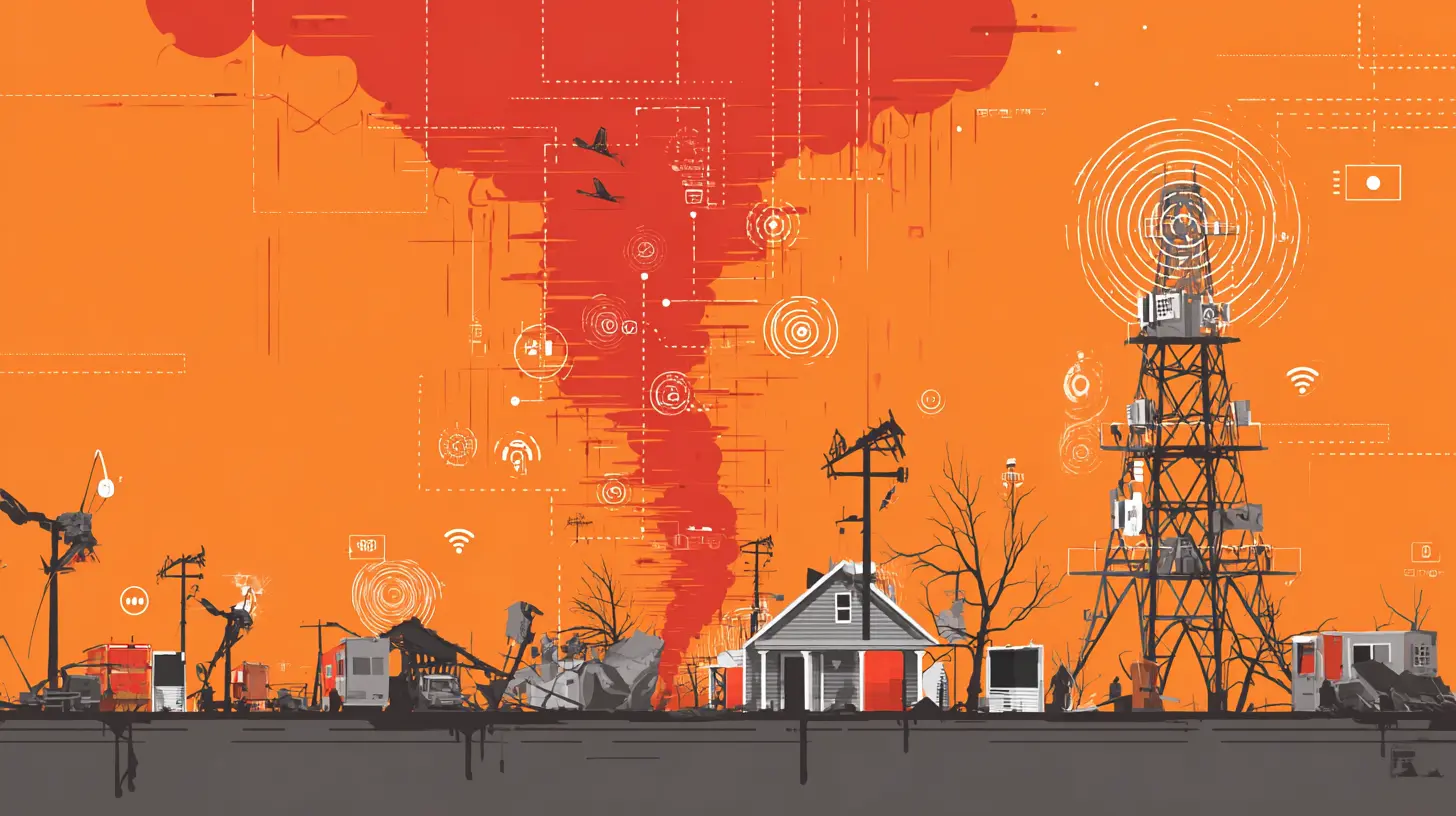
What Is IoT, Really?
Before diving into the heavy stuff, let’s break down what IoT is. You’ve probably heard the term, but let’s simplify it.IoT stands for the "Internet of Things," and it’s basically a network of physical objects — think sensors, devices, and software — that are all connected through the internet. These “smart” objects gather and share data without needing a human in the loop.
Imagine your smartwatch alerting emergency services if your heart rate spikes or a weather station sending out flood warnings after detecting high river levels. That’s IoT in action.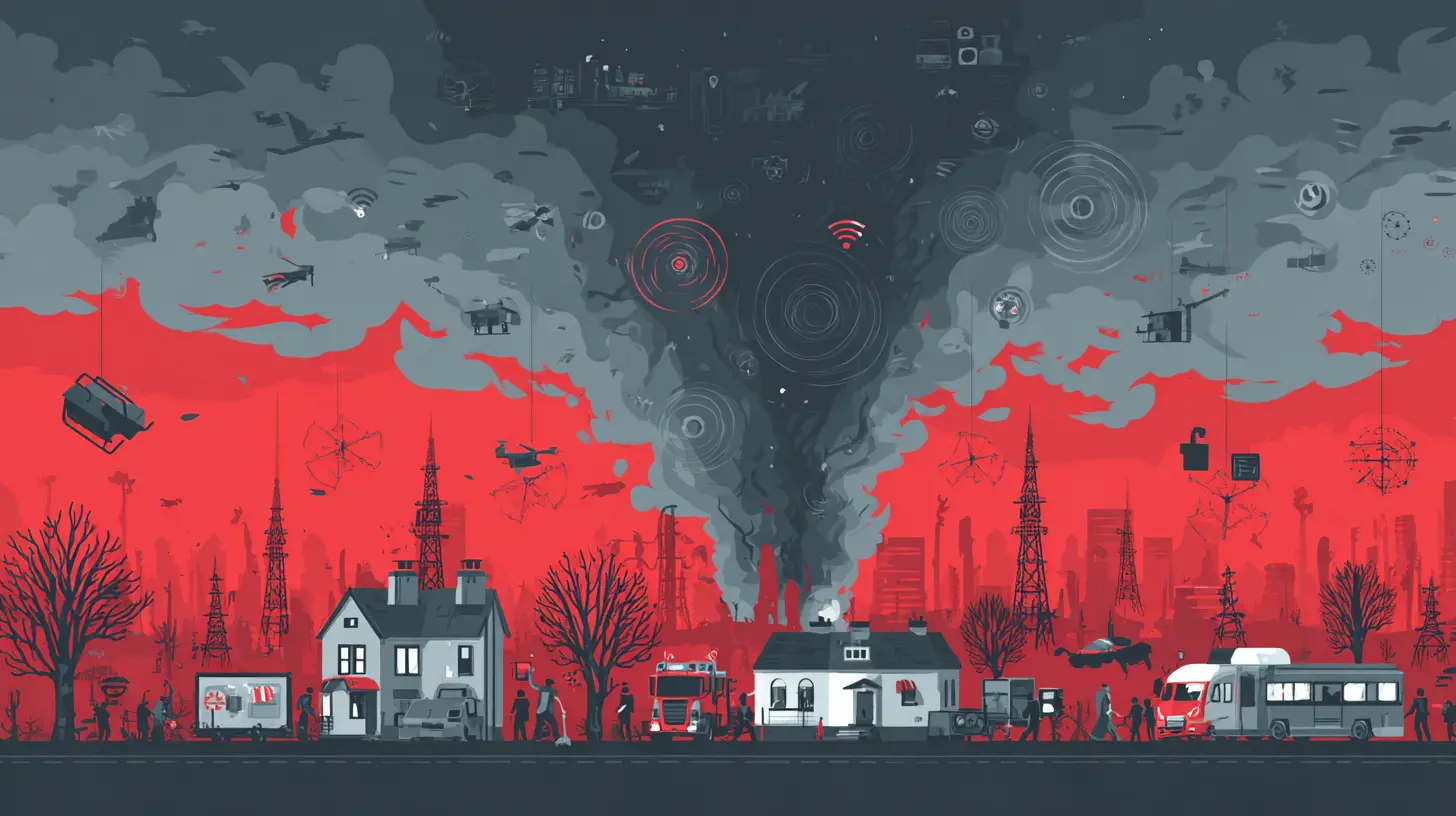
Why Disaster Management Needs IoT
Traditional disaster management often relies on human-based reporting, static sensors, or outdated systems to detect and respond to emergencies. The problem? It’s usually too slow. With IoT, we’re talking about real-time data, automated alerts, and predictive insights that can help us stay one step ahead.So, why does IoT matter in disaster management?
- Speed: Real-time data cuts down response time.
- Accuracy: Sensor-based data leaves less room for human error.
- Coverage: IoT can monitor remote or inaccessible areas.
- Predictive Power: Advanced analytics can forecast events before they occur.
Let’s explore how this plays out in real life.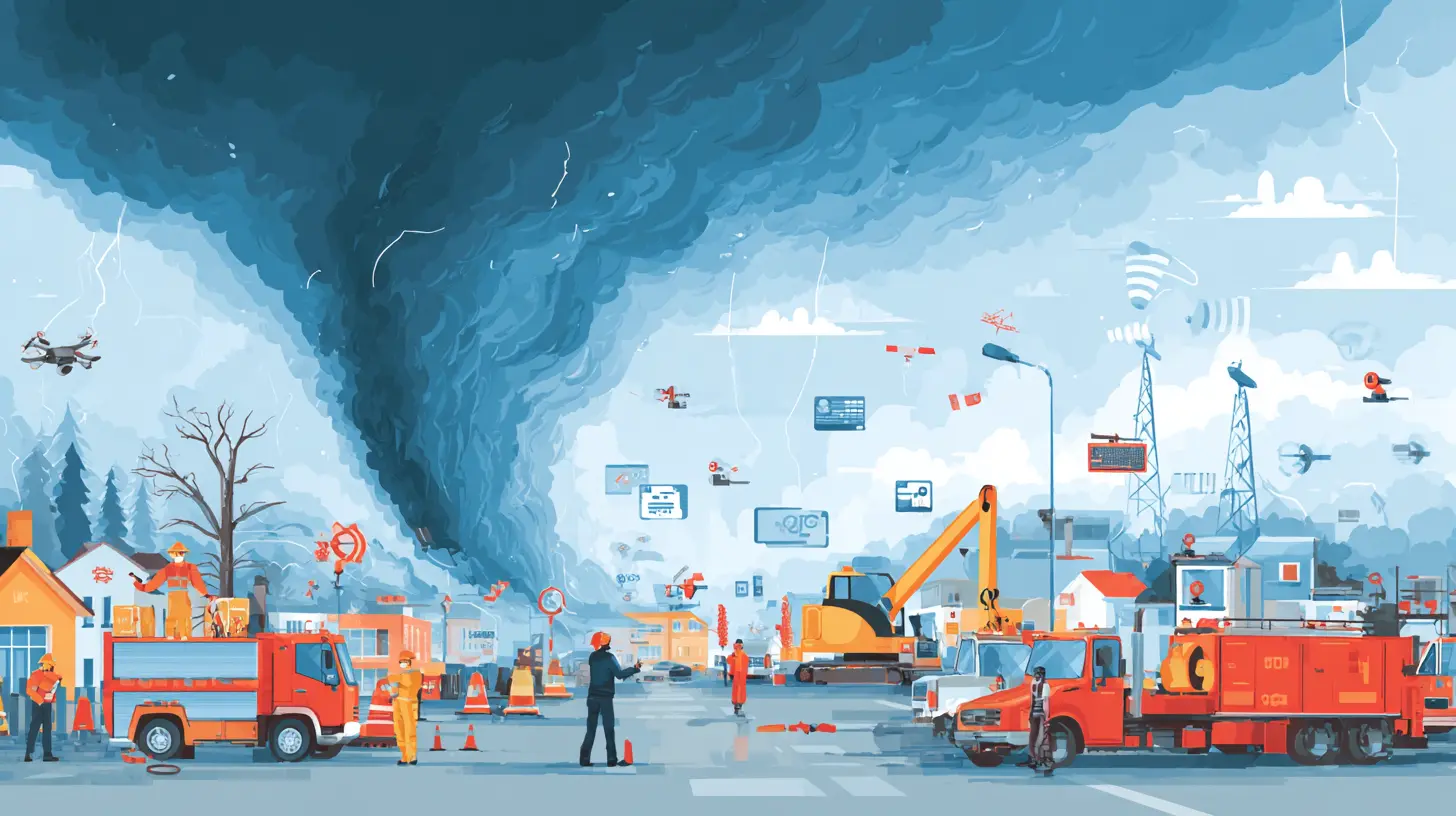
Early Warning Systems: The First Line of Defense
Wouldn’t it be amazing if you could get a heads-up before a disaster hits? Well, that’s precisely what IoT-powered early warning systems do.Smart Sensors for Earthquakes and Tsunamis
In regions prone to earthquakes or tsunamis, IoT devices can be game-changers. Seismometers equipped with IoT sensors detect minor tremors and send alerts within seconds. For instance, Japan and Chile use these systems to warn citizens via mobile apps and sirens before disaster strikes.Now, a few seconds might not sound like much, but in emergency situations? Those seconds can mean everything — evacuating a building or stopping trains in their tracks to prevent derailments.
Weather Monitoring for Hurricanes and Floods
IoT-based weather stations are far more advanced than your typical weather app. These systems monitor temperature, humidity, wind speeds, and barometric pressure. If conditions get dangerous, people are alerted through automated messages — no waiting around for the evening news.Rain gauges and river-level sensors can even predict floods. These devices aren’t just collecting data — they’re telling stories and forecasting futures.
Real-Time Monitoring During Disasters
Disasters are chaotic, to say the least. But IoT brings some much-needed order to the madness.Tracking Wildfires in Real-Time
Wildfires spread fast, and sometimes folks don’t even know there’s a fire nearby until it’s too late. IoT sensors equipped with heat and gas detectors placed in forests can sense fire activity early and inform authorities. Some drones even come with thermal cameras and can patrol hard-to-reach regions. How cool is that?Infrastructure Monitoring
Think roads, bridges, dams — infrastructure that can fail catastrophically during a natural disaster. IoT sensors monitor vibrations, stress, or water pressure changes. This data is like a health check for critical infrastructure, warning engineers before something breaks.That’s not just smart; it’s lifesaving.
Crowd and Traffic Management
In urban areas, managing the movement of people and vehicles during emergencies is critical. IoT sensors and smart cameras integrated with AI can analyze crowd density and traffic flow. Authorities can then redirect people to safer areas, avoid bottlenecks, and prevent further chaos.Post-Disaster Recovery: Helping Pick Up the Pieces
Once the storm has passed — literally or metaphorically — the real work begins. Recovery is tough, but IoT can help speed things up.Resource Allocation and Logistics
IoT-connected devices can track the availability and location of emergency supplies like food, water, and medical kits. Delivery drones can even drop supplies in areas that are otherwise cut off.Knowing exactly what resources are needed and where reduces guesswork and waste. Efficient distribution means help reaches those who need it most — quicker.
Damage Assessment Using Drones and Sensors
After a disaster, emergency teams need to assess the damage, but going into affected areas can be risky. Drones equipped with IoT cameras and sensors sweep through the scene and send detailed visuals. This allows officials to evaluate structural safety, plan relief operations accurately, and keep responders safe.Imagine assessing an entire flooded city block without setting foot in the water. That’s the precision IoT brings.
Predictive Analytics: Getting Ahead of the Next Disaster
Now here’s the part that really feels like sci-fi — predictive analytics.IoT doesn’t just collect data; it learns from it. By analyzing patterns from past events and real-time conditions, machine learning algorithms can forecast future risks. For example, if rivers swell in a certain pattern before every major flood, the system will recognize that and send out warnings next time.
We’re moving from reacting to disasters to predicting and preventing them. And that’s a total game-changer.
Real-World Use Cases of IoT in Disaster Management
Still wondering if this is all theoretical? Let’s look at some real-world examples.1. Smart Fire Alerts in California
In wildfire-prone California, IoT sensors are installed in forests to monitor temperature and humidity. If the risk gets too high, alerts are automatically sent out. These systems have already helped communities evacuate in time, saving countless lives.2. Smart Flood Monitoring in India
Cities like Chennai are using IoT to monitor rainfall and sewer levels. Real-time alerts are sent to residents via mobile apps. These timely warnings have helped people vacate flood-prone areas well before water levels rise dangerously.3. Earthquake Early Warnings in Mexico
Mexico has one of the world’s most advanced IoT-based earthquake systems. It sends early warnings via radio, TV, and even public loudspeakers. The system gives people up to a minute to duck, cover, and evacuate if needed.Benefits of IoT in Disaster Management
Let’s sum it up. Why exactly is everyone so hyped about IoT in disaster scenarios?- ✅ Faster response times
- ✅ Improved situational awareness
- ✅ Safer rescue operations
- ✅ Better resource and logistics planning
- ✅ Lives saved, cities protected, costs reduced
It’s not just about technology — it's about empathy encoded in machines. IoT is helping us become more human in the way we respond to disasters.
Challenges to Keep In Mind
Now, let’s be real for a second. No tech is perfect.Security and Privacy Concerns
When you're using a ton of devices to collect sensitive data, security is a big deal. If these systems are hacked, the results could be catastrophic. So, investing in secure networks and encryption is non-negotiable.Infrastructure and Costs
Deploying IoT solutions, especially in developing countries, can be expensive. Devices need reliable internet, power, and maintenance — all of which may be lacking in high-risk zones.Data Overload
With so much data coming in, managing and analyzing it efficiently can be overwhelming. That’s why AI and machine learning are often paired with IoT systems to make sense of it all.The Future of IoT in Disaster Management
We’re just scratching the surface of what’s possible. As 5G connects more devices with lightning-fast speed and new innovations like edge computing reduce delays, IoT in disaster management will only get stronger.Think smart cities with auto-alert systems built into every building, or wearable tech that tells rescue teams if a person is injured or unconscious. The future isn't just high-tech — it’s high-impact.
Final Thoughts
Disasters — whether natural or human-made — are unpredictable. But with IoT, we’re starting to bring some order to the chaos. It’s like building a digital nervous system for our communities, one that can sense danger, react quickly, and help us bounce back stronger.Whether it's warning people before a tsunami, tracking wildfires in real-time, or helping relief teams navigate a post-disaster landscape, IoT is proving to be one of the most powerful tools in modern disaster management.
So, the big question is: Are we ready to embrace it fully?
Because every second saved, every life protected, and every resource optimized counts. And IoT is here, ready to help us do just that.
all images in this post were generated using AI tools
Category:
Iot DevicesAuthor:

Gabriel Sullivan
Discussion
rate this article
1 comments
Xander McDougal
Great insights on how IoT can transform disaster management. It's fascinating to see technology making such a positive impact in saving lives and enhancing safety. Keep up the good work!
May 17, 2026 at 11:34 AM
Gabriel Sullivan
Thank you for your kind words! I'm glad you found the insights valuable. Technology really can make a difference in disaster management.