The Future of Data Centers: Trends Shaping Tomorrow's Infrastructure
22 January 2026
We all know that data is the new oil, right? Well, if data is the oil, then data centers are the refineries. They’re the beating heart of the digital world, processing, storing, and managing the endless flow of information we generate every single day. From streaming your favorite Netflix show to hosting your company’s website, data centers are quietly working behind the scenes. But like everything in tech, data centers aren't standing still. They’re evolving, adapting to new challenges, and embracing cutting-edge technologies.
So, what's next for these digital powerhouses? What trends are shaping the future of data centers? Buckle up, because we're diving deep into the future of data center infrastructure and how it's going to impact everything from cloud computing to the way we handle data security.
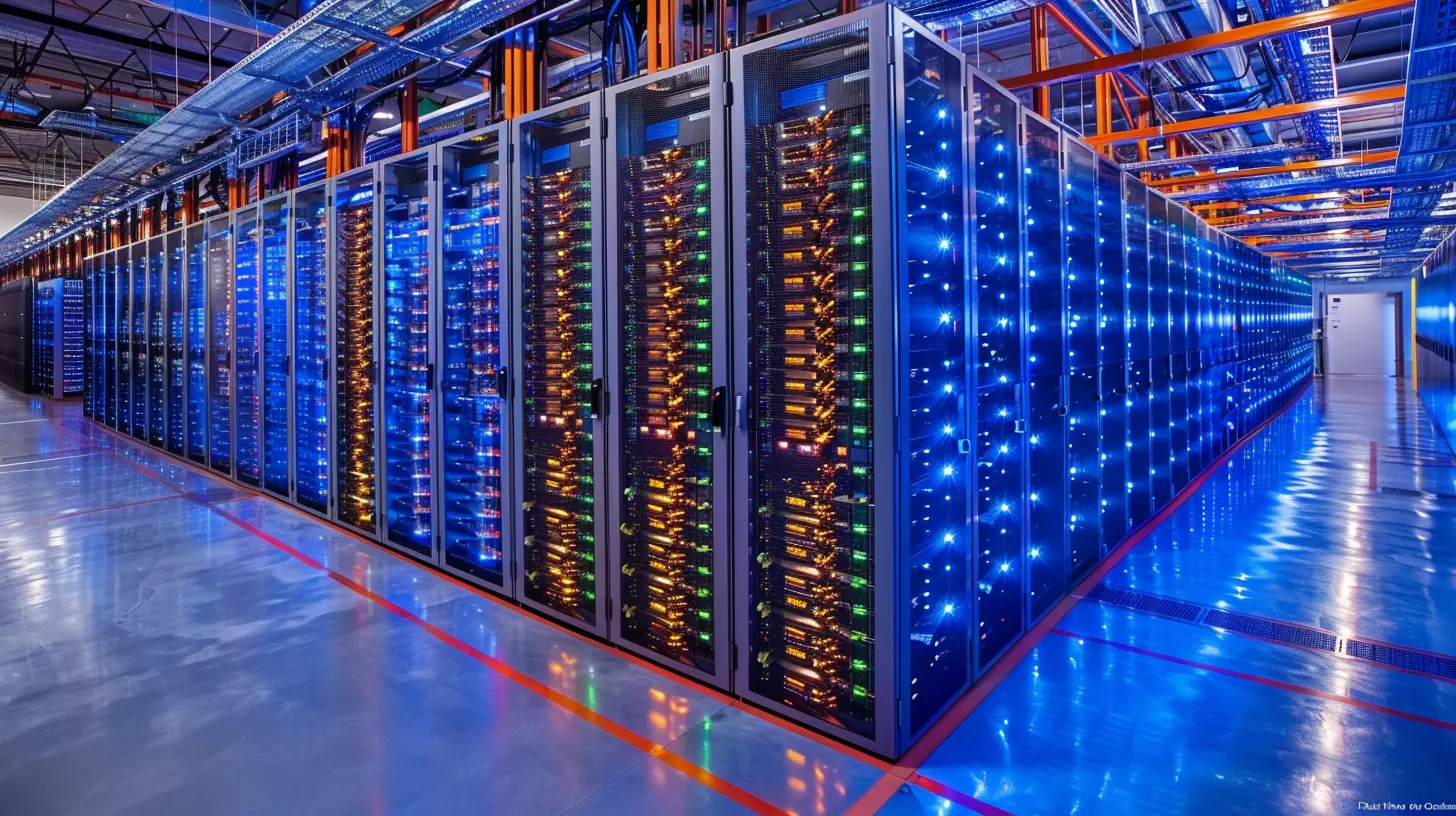
1. The Rise of Edge Computing
What Is Edge Computing?
Imagine you’re playing an online game, and every time you make a move, it has to travel halfway around the world to a central data center and back. That's a bit slow, right? Well, edge computing is here to fix that. Instead of sending data to a far-off central hub, edge computing brings the processing power closer to where the data is being generated — right at the "edge" of the network.Why This Matters for Data Centers
Edge computing is a game-changer. It reduces latency, meaning faster responses for things like gaming, autonomous vehicles, and IoT (Internet of Things) devices. Traditional data centers aren’t going anywhere, but they’re going to work hand-in-hand with smaller, localized edge data centers. Think of it as a giant team-up between the big central brains and local mini-brains, making sure everything runs smoothly and quickly.This trend is going to drive the construction of micro-data centers in various locations, bringing data closer to users and applications. Expect to see more of these mini centers popping up in places like cell towers, factories, and even office buildings.
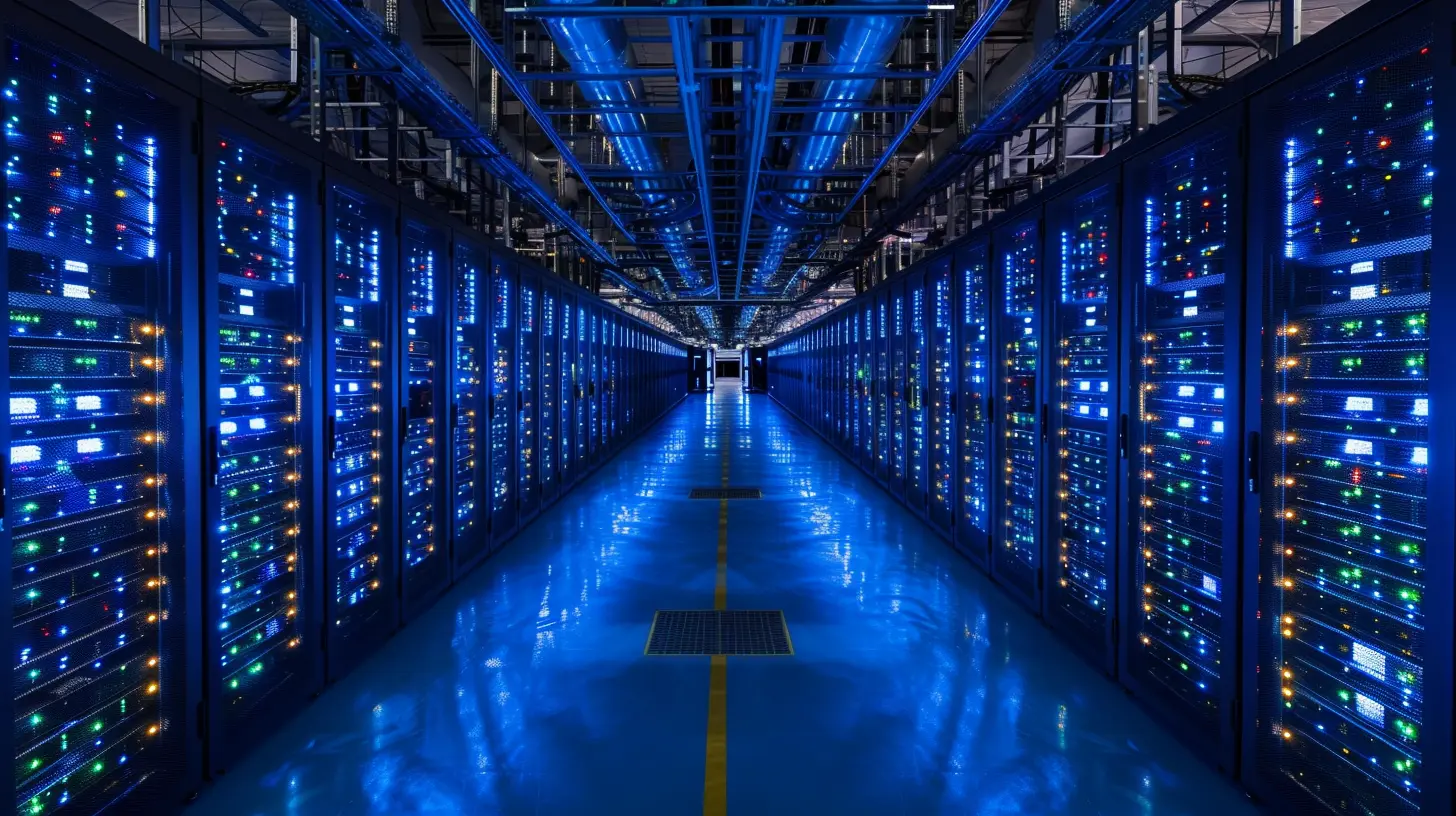
2. Sustainability and Green Data Centers
The Environmental Impact of Data Centers
Let’s face it: data centers aren’t exactly eco-friendly. The massive computing power they house requires a lot of energy, and that energy often comes from non-renewable sources. In fact, data centers account for about 1-2% of the world's total electricity usage, with that number steadily rising.Enter Green Data Centers
The future of data centers is green. Long gone are the days when energy consumption was an afterthought. Now, data center operators are under pressure to reduce their carbon footprint, and sustainability is becoming a top priority.How are they doing it? Through a mix of renewable energy sources (like solar and wind), energy-efficient hardware, and innovative cooling techniques. In some cases, companies are even building data centers underwater or in the Arctic to naturally cool the servers! The goal is clear: make data centers as energy-efficient as possible, reducing their environmental impact.
Tech giants like Google, Microsoft, and Amazon are already investing heavily in renewable energy initiatives for their data centers, and this trend is only going to grow. Expect future data centers to be not just digital powerhouses, but also eco-friendly havens.
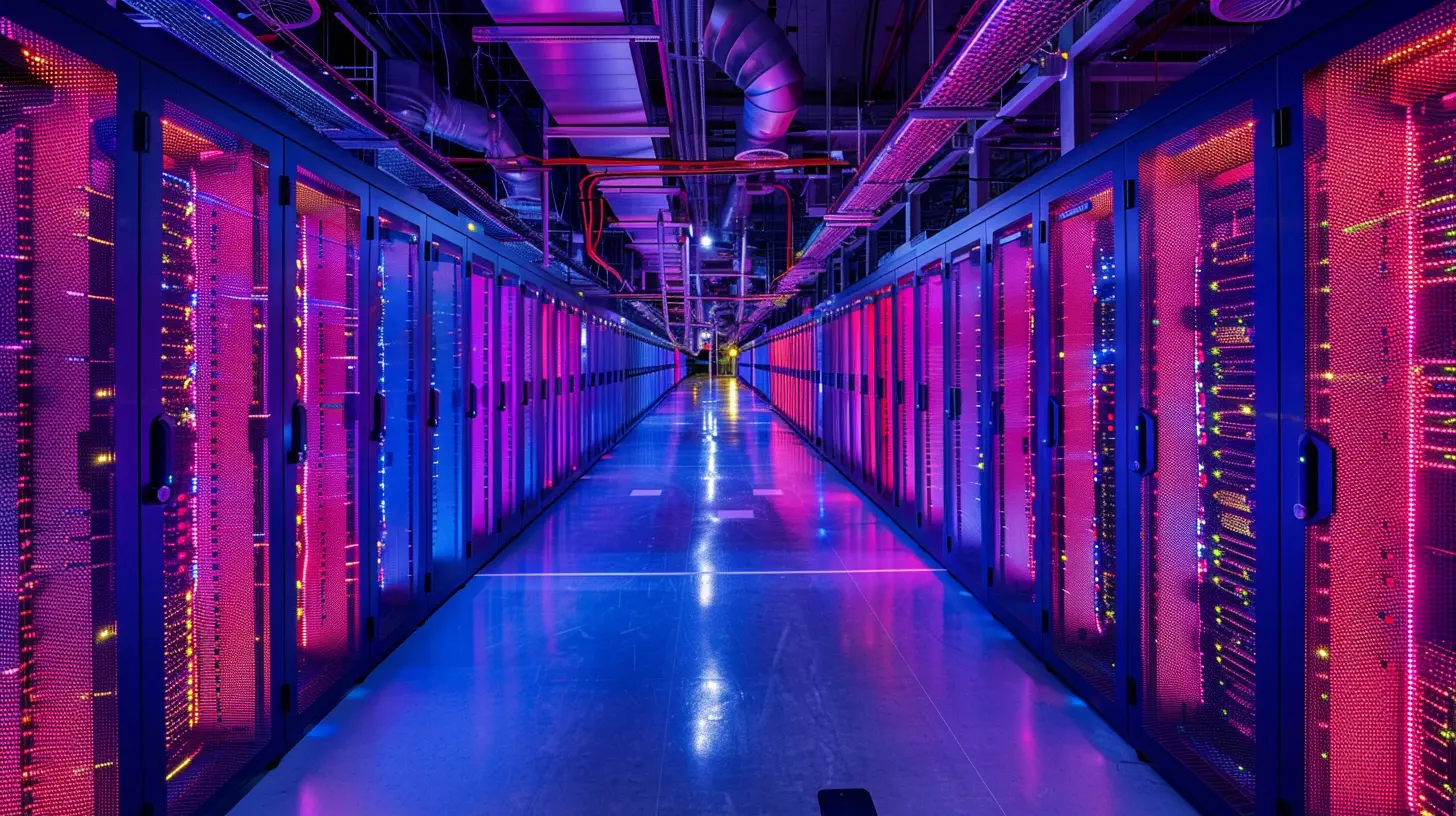
3. Liquid Cooling Technologies
The Heat Problem
Data centers generate an insane amount of heat. In fact, keeping data centers cool is one of the biggest challenges operators face. Traditional air cooling systems work, but they’re not exactly efficient. Enter: liquid cooling.How Liquid Cooling Works
Instead of using air to cool down servers, liquid cooling systems use—you guessed it—liquid, typically water or specially designed coolants. The liquid absorbs the heat much more efficiently than air, allowing servers to run at higher speeds without overheating. This is especially crucial as data centers pack more power into smaller spaces.Liquid cooling isn't new, but it's about to go mainstream. As data centers continue to grow, this technology will become essential for keeping temperatures—and energy costs—in check.
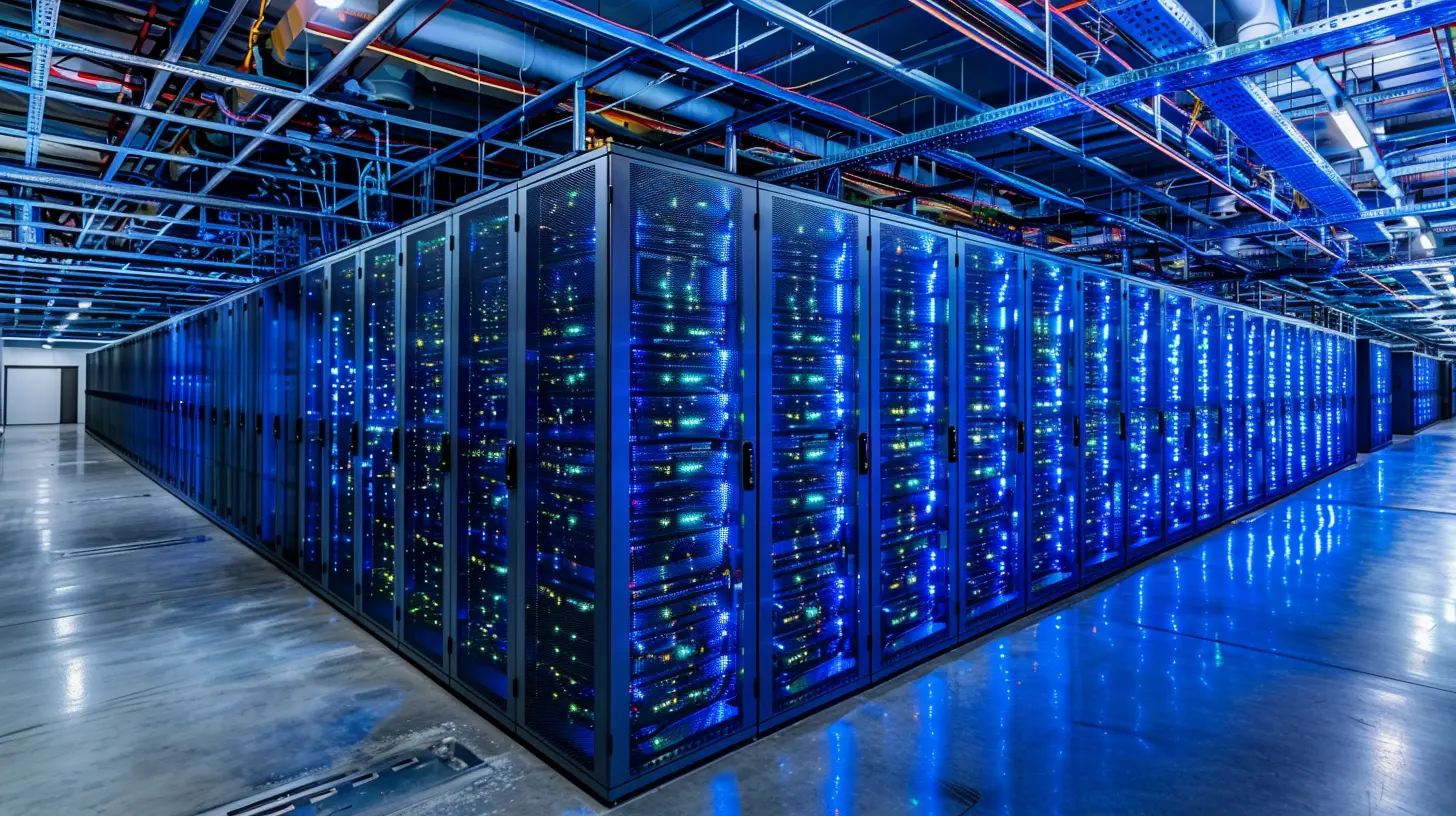
4. Hyperscale Data Centers
What Are Hyperscale Data Centers?
Ever wonder where all that data from Facebook, Google, and Amazon is stored? Welcome to the world of hyperscale data centers. These are massive facilities, often the size of several football fields, designed to handle vast amounts of data and high-performance computing.The Growth of Hyperscale
Hyperscale data centers are all about scale. They’re designed to grow on demand, offering insane amounts of computing power to support cloud services, AI, machine learning, and big data analytics. As more businesses move to the cloud, the demand for hyperscale data centers will only increase.In the future, we’ll see hyperscale data centers not just in the U.S. and Europe, but across the globe, especially in emerging markets. They’ll be the backbone of our digital economy, providing the infrastructure needed to support the next generation of technologies.
5. Artificial Intelligence (AI) and Automation
How AI is Changing Data Centers
Artificial intelligence is already transforming industries, and data centers are no exception. AI can monitor and manage data center operations, optimizing everything from energy usage to server performance. Think of AI as the ultimate data center manager, working 24/7 to ensure everything runs smoothly.Automation: The Future Workforce
It’s not just AI, though. Automation is playing a huge role in the future of data centers. Automated systems can handle routine tasks like server maintenance, cooling adjustments, and even disaster recovery procedures. This reduces the need for human intervention and minimizes downtime.In the future, data centers will be smarter, more efficient, and largely self-operating, thanks to AI and automation.
6. Increased Focus on Data Security
The Growing Threat Landscape
We live in an age where cyberattacks are becoming more frequent and more sophisticated. As more businesses and individuals rely on data centers to store sensitive information, the need for robust security measures becomes critical.What This Means for Data Centers
Data centers will need to ramp up their security protocols. We’re talking about everything from advanced encryption techniques to AI-powered threat detection systems. Zero-trust models, which assume that every request is a potential threat until proven otherwise, are becoming more common.In the future, data centers will not just be about speed and storage capacity; they’ll also be fortresses, designed to protect against increasingly complex cyber threats.
7. Colocation and Hybrid Cloud Solutions
What is Colocation?
Colocation is when companies rent space within a data center to house their servers. It’s a cost-effective alternative to building an in-house data center. But colocation is evolving, especially as hybrid cloud solutions gain traction.The Hybrid Cloud Model
In a hybrid cloud setup, businesses can mix and match their own on-premise data centers with public and private cloud services. This flexibility allows companies to store critical data in-house while taking advantage of the scalability and cost savings of cloud services.In the future, more businesses will adopt this hybrid approach, and data centers will need to offer flexible colocation services that integrate seamlessly with cloud platforms.
8. 5G and Its Impact on Data Centers
The 5G Revolution
5G is more than just faster internet for your phone. It’s a complete overhaul of how data is transmitted, promising ultra-low latency and massive bandwidth. With the rollout of 5G, data centers will need to adapt to handle the increased data flow.The Future of Connectivity
5G will drive the growth of edge data centers, as real-time applications like autonomous vehicles, smart cities, and augmented reality require fast data processing close to the source. Data centers will need to evolve, becoming more distributed and interconnected to meet the demands of a 5G world.9. Quantum Computing and Its Implications
What is Quantum Computing?
Quantum computing is still in its infancy, but it has the potential to revolutionize how we process data. Unlike classical computers, which use bits (0s and 1s), quantum computers use quantum bits or qubits, which can exist in multiple states at once. This allows them to perform complex calculations much faster than traditional computers.How Quantum Computing Will Impact Data Centers
Quantum computing could lead to a complete redesign of data centers. These new computers will require specialized environments, including ultra-low temperatures and advanced security measures. While we’re still a few years away from widespread adoption, the data centers of the future will need to be quantum-ready.Conclusion
The future of data centers is exciting, to say the least. With the rise of edge computing, the push for sustainability, and advancements in AI, 5G, and quantum computing, tomorrow's data centers will look very different from the massive warehouses of servers we know today. They’ll be faster, greener, smarter, and more secure.As we move forward into this new era of digital infrastructure, one thing is clear: data centers will remain the backbone of our increasingly connected world. Whether you’re a business owner, tech enthusiast, or just someone who loves streaming movies, the innovations shaping the future of data centers will affect us all.
all images in this post were generated using AI tools
Category:
Data CentersAuthor:

Gabriel Sullivan
Discussion
rate this article
2 comments
Paris McGinnis
This article effectively highlights key trends in data center evolution, from sustainability to edge computing. As technology advances, it’s crucial for businesses to adapt and invest in innovative infrastructure to stay competitive and meet growing demands. Great insights!
March 12, 2026 at 4:46 AM
Gabriel Sullivan
Thank you for your thoughtful insights! I'm glad you found the article highlights relevant trends in data center evolution. Staying ahead in innovation is indeed essential for businesses.
William Wolfe
This article provides a compelling overview of emerging trends in data center infrastructure. Emphasis on sustainability, edge computing, and AI-driven management highlights the industry's shift towards efficiency and resilience. As we navigate digital transformation, these insights are essential for understanding the future landscape of data centers.
January 28, 2026 at 4:11 AM
Gabriel Sullivan
Thank you for your thoughtful comment! I'm glad you found the insights on sustainability, edge computing, and AI-driven management valuable for understanding the future of data centers.