Smartphone Accessories That Are Worth Your Money
31 July 2026
Most people treat smartphone accessories like impulse buys at the checkout counter. A cheap case here, a random cable there, and before you know it you have a drawer full of things that promised convenience but delivered frustration. I have spent years testing, breaking, and eventually relying on a very short list of accessories that actually change how you use your phone. Not all accessories are created equal, and the difference between a tool that serves you and one that just takes up space often comes down to materials, engineering, and honest design.
This article is not about the obvious stuff like screen protectors or basic cases. Those are necessary, but they are not interesting. What I want to dig into are the accessories that expand what your phone can do, protect your investment in ways you might not have considered, and save you from the small daily frustrations that add up over time. Let's get into the ones that are genuinely worth your money.
The Charging Ecosystem: Why Cables and Blocks Matter More Than You Think
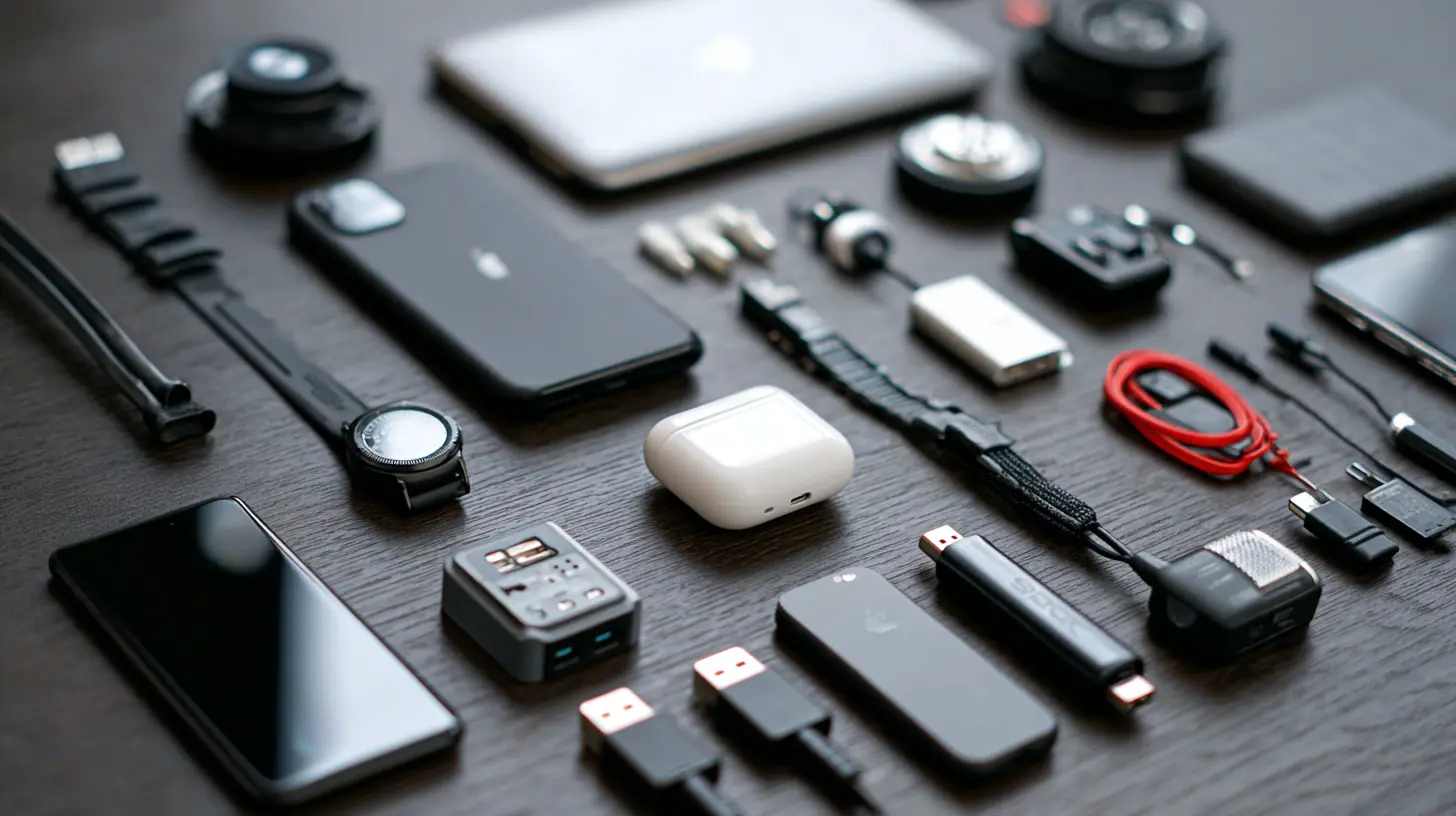
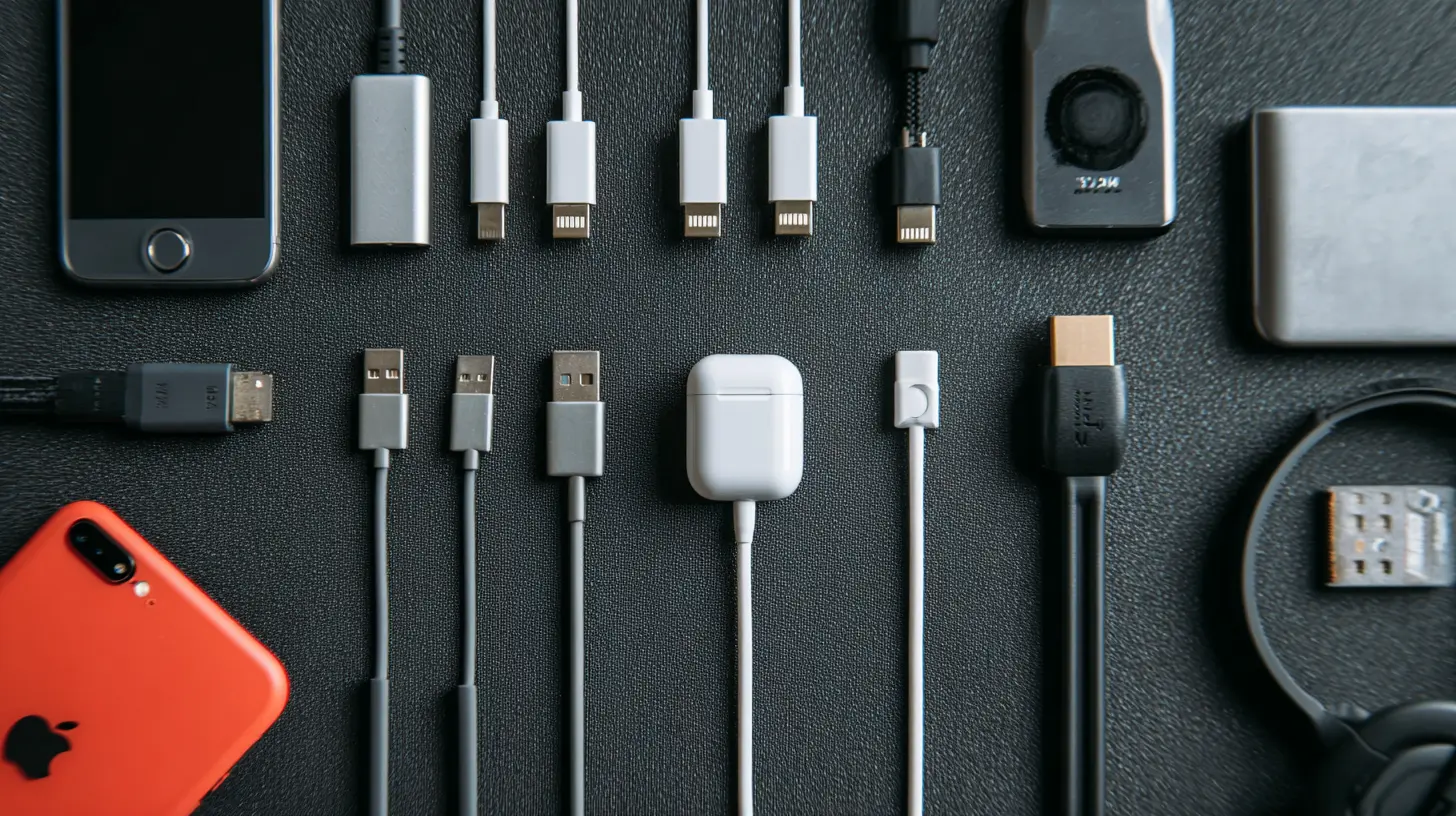
The single most overlooked accessory category is charging hardware. Most people use whatever cable came in the box or whatever cheap brick they grabbed at a gas station. That is a mistake that costs you time, battery health, and sometimes even device safety.GaN Chargers Are Not a Gimmick
Gallium nitride chargers have been around for a few years now, but many people still think they are just smaller versions of old silicon chargers. They are not. GaN allows for higher power delivery in a much smaller footprint because the material handles heat better and switches frequencies more efficiently. A 65-watt GaN charger today is smaller than the 18-watt brick that shipped with older iPhones. That is not marketing hype. That is physics.The real value here is not just size. It is versatility. A good GaN charger with multiple ports can charge your phone, your laptop, and your earbuds from a single wall outlet. That means one less thing to pack, one less outlet to fight over at a coffee shop, and one less cable to untangle. The trade-off is cost. A quality GaN charger from a reputable brand costs two to three times what a basic brick costs. But if you travel even occasionally, the convenience pays for itself within a few trips.
What to look for: USB-C Power Delivery (PD) support, at least 45 watts for phones that support fast charging (most flagships do now), and a brand that publishes safety certifications. Avoid no-name chargers that promise high wattage at suspiciously low prices. They often lack proper thermal management and can damage your battery over time.
The Cable Trap: Why You Should Stop Buying Cheap USB-C Cables
Here is a hard truth: most USB-C cables on Amazon are garbage. They look fine, they work for a few weeks, and then they start charging slowly, disconnecting randomly, or just stop working. The problem is that USB-C is a complex standard. A cable that can handle 100 watts of power is physically different from one that can only handle 15 watts, but they look identical. Manufacturers know this, and they cut corners.A good cable has thicker gauge wires for power delivery, proper shielding for data transfer, and reinforced connectors that do not bend or break after a few months. The difference between a $5 cable and a $15 cable is not just profit margin. It is the difference between a cable that lasts two years and one that lasts two months.
When should you spend more? If you use your phone for work, if you charge it overnight, or if you rely on fast charging to get through a busy day, do not cheap out on cables. Look for cables that are USB-IF certified. That certification means the cable has been tested to meet the standard. It is not a guarantee of perfection, but it filters out the worst offenders.
One more thing: cable length matters more than people realize. A three-foot cable is great for a power bank in your bag. A six-foot cable is better for bedside charging. A ten-foot cable is perfect for airports and hotel rooms where outlets are always in awkward places. Buy the length you actually need, not the shortest one that fits in a drawer.
Power Banks: Beyond the Number on the Box
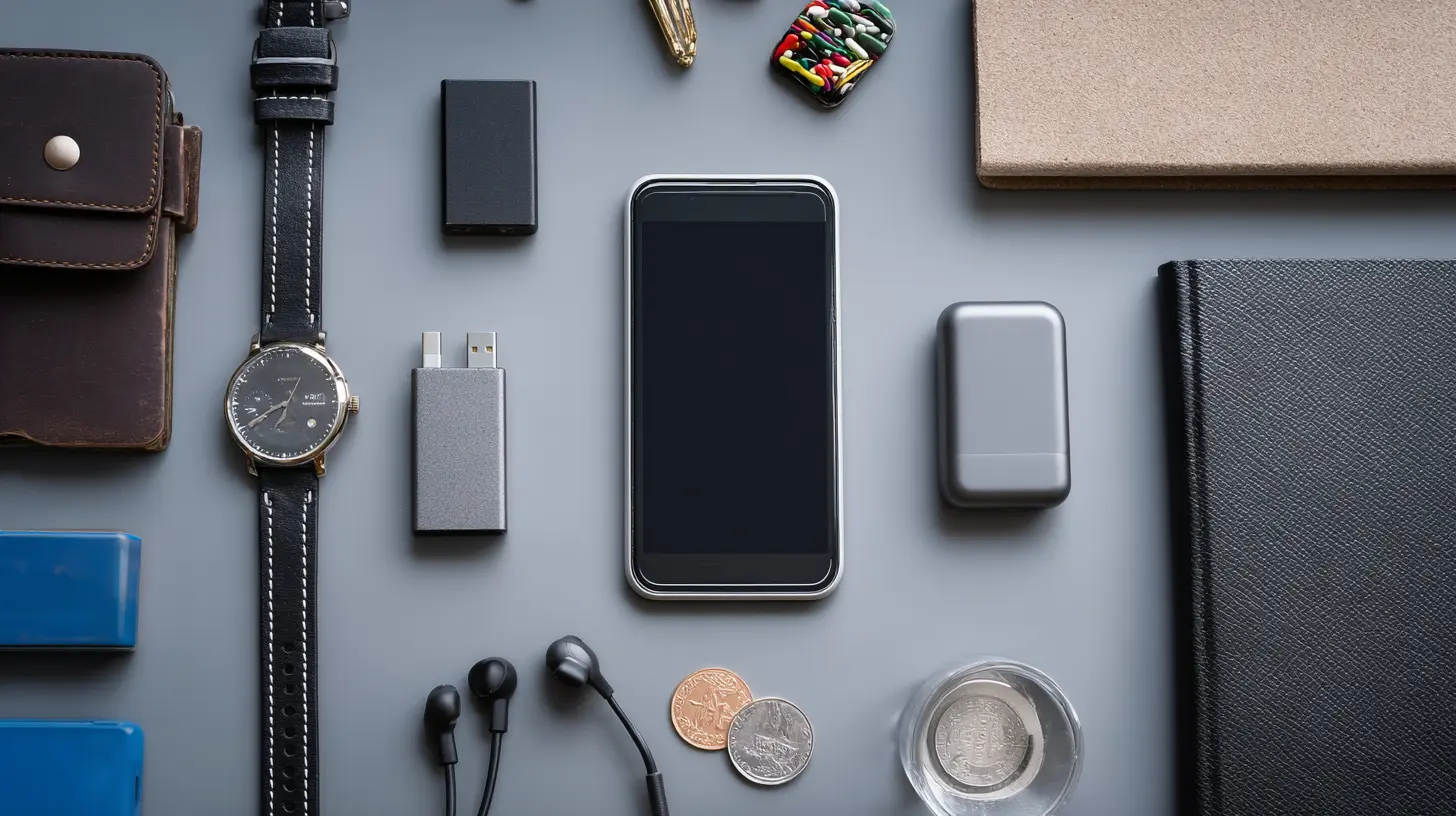
Power banks are another category where marketing numbers hide the real story. Everyone looks at milliamp hours (mAh) and assumes bigger is better. That is true up to a point, but there is more to consider.Capacity vs. Usability
A 20,000 mAh power bank sounds impressive, and it can charge a typical phone four or five times. But that capacity comes with weight. A power bank that size weighs around a pound. That is fine for a backpack but annoying for a pocket. For daily carry, a 10,000 mAh bank is the sweet spot. It gives you two full charges and fits in a jacket pocket or small bag.The real issue is output. Many large power banks have slow output ports. They might have a high total capacity but can only deliver 10 or 12 watts per port. That means your phone charges slowly even though the bank has plenty of juice. Look for power banks that support USB-C Power Delivery at 20 watts or higher. That is enough to fast charge most modern phones. If you have a laptop that charges over USB-C, consider a bank that can deliver 45 or 60 watts. That lets you top up your laptop in a pinch, which is a game changer for remote work.
Pass-Through Charging and Battery Health
One feature that is often overlooked is pass-through charging. This lets you charge the power bank and your phone at the same time. It sounds minor, but it is incredibly useful when you only have one outlet. Plug the power bank into the wall, plug your phone into the power bank, and both charge overnight. In the morning, you have a full phone and a full power bank.A common misconception is that power banks damage phone batteries. They do not, as long as they deliver clean power at the correct voltage. Cheap power banks with poor voltage regulation can cause issues, but any reputable brand is fine. The bigger risk to battery health is heat. Fast charging generates heat, and heat degrades lithium-ion batteries. If you charge your phone while using it heavily, or if you leave it in direct sunlight while charging, that is what shortens battery life, not the power bank itself.
Cases and Protection: The Trade-Off Between Bulk and Safety
Case reviews are everywhere, and most of them are useless. They focus on looks and drop ratings without explaining the real compromises. Every case is a trade-off between protection, grip, bulk, and heat dissipation. Understanding those trade-offs is what separates a good choice from a bad one.The Silicone Problem
Soft silicone cases feel great in the hand. They are grippy, flexible, and come in every color imaginable. But they have a hidden downside. Silicone is an insulator. It traps heat against the phone. When you are gaming, streaming video, or fast charging, that trapped heat can cause the phone to throttle performance or slow down charging to protect the battery. Over months of use, the accumulated heat can accelerate battery degradation.If you use a silicone case, remove it when you are doing intensive tasks or fast charging. That is a small habit that extends battery life. Alternatively, consider a case with a textured back that allows some airflow, or a hard shell case that does not trap heat as much.
MagSafe and Magnetic Accessories
Apple's MagSafe standard changed the accessory game, but it is not just for iPhones anymore. Android phones with magnetic cases or built-in magnets can use the same ecosystem. The real value of MagSafe is not just wireless charging alignment. It is the mounting ecosystem.A magnetic vent mount for your car is far superior to a clamp mount. You just stick the phone on and it stays. No fiddling with arms, no slipping off on bumpy roads. The same applies to desk stands, tripod mounts, and battery packs that snap onto the back of your phone. The convenience is hard to overstate once you get used to it.
The downside is that magnetic accessories add a small amount of bulk. A MagSafe battery pack is thicker than a standard power bank because it has to house the magnets and the charging coil. Also, magnetic mounts are not as secure as mechanical clamps for off-road driving or rough conditions. If you ride a motorcycle or mountain bike, stick with a physical clamp.
Audio Accessories: Wired vs. Wireless and the In-Between
Audio is a deeply personal category, but there are objective reasons to choose one type of accessory over another. The headphone jack is gone from most phones, but that does not mean wired audio is dead.USB-C DACs: The Hidden Upgrade
If you have a pair of wired headphones that you love, a USB-C digital-to-analog converter (DAC) is one of the best upgrades you can make. The tiny DAC dongle that comes with some phones is often terrible. It has poor amplification, high noise floor, and limited compatibility with high-impedance headphones.A proper USB-C DAC, like those from brands that specialize in audio, can dramatically improve sound quality. It provides cleaner power, better separation between instruments, and the ability to drive headphones that your phone could not handle otherwise. The difference is not subtle. It is like hearing your music for the first time.
When should you use one? If you listen to lossless audio, if you have high-end headphones, or if you just want the best possible sound from your phone, a DAC is worth it. If you only listen to podcasts or streaming music on Bluetooth earbuds, skip it. You will not notice the difference.
True Wireless Earbuds: The Right Fit Matters More Than the Right Specs
True wireless earbuds are everywhere, and the market is saturated. The mistake most people make is focusing on specs like driver size or codec support instead of fit. Fit is everything. If the earbuds do not seal properly in your ear, you get no bass, poor noise isolation, and they fall out when you move. No amount of fancy audio codecs fixes that.Before you buy any earbuds, try them on if possible. If you cannot try them, look for models that come with multiple ear tip sizes and wing tips. Also consider the shape. Some people's ears work well with stem-style buds like AirPods. Others need a more rounded, in-ear design. There is no universal best.
Battery life is another area where marketing numbers mislead. The advertised battery life is usually measured at moderate volume with noise cancellation off. Real-world battery life is often 20 to 30 percent less. If you need earbuds for long flights or workdays, look for models that advertise at least eight hours of playback. Anything less and you will be charging the case daily.
Screen Protection: Tempered Glass vs. Plastic and the Curved Screen Problem
Screen protectors are a commodity, but the choice between tempered glass and plastic film matters more than most people realize, especially with curved screens.Tempered Glass: The Standard for Flat Screens
For flat screens, tempered glass is almost always the right choice. It feels like the original screen, it does not yellow over time, and it provides real impact protection. The glass absorbs the force of a drop and cracks instead of your screen. That is a cheap insurance policy.The key is installation. A poorly installed glass protector has bubbles, dust under the edges, and a halo effect around the curves. Take your time. Clean the screen thoroughly, use the alignment frame if one is included, and press from the center outward. If you mess up, most brands include two or three protectors in a pack for exactly this reason.
Curved Screens: The Nightmare
Curved screens are a nightmare for screen protectors. Tempered glass cannot bend, so curved screen protectors are either made of plastic or use a complicated UV-cured adhesive system. Plastic protectors scratch easily, feel rubbery, and often peel off at the edges. UV-cured glass protectors are expensive, difficult to install, and if you get adhesive in the wrong place, you can ruin your phone's buttons or speakers.My honest advice for curved screens: skip the screen protector and get a good case with raised edges. The case will protect the glass from most drops, and the screen itself is usually Gorilla Glass or similar, which is hard to scratch in normal use. The trade-off is that you accept a small risk of scratches. For most people, that risk is lower than the frustration of a bad curved screen protector.
Camera Accessories: More Than Just a Lens Kit
Phone cameras are incredibly capable, but they have physical limitations that accessories can address. The most useful camera accessory is not a clip-on lens. It is a tripod.The Tripod That Fits in Your Pocket
A small tabletop tripod with a phone mount unlocks capabilities that most people never use. Long exposure shots, night mode photos, time-lapses, and stable video all require a steady phone. Handheld shots are fine for snapshots, but they cannot match the quality of a tripod-mounted shot in low light.Look for a tripod that folds small enough to fit in a bag but extends to at least waist height. The legs should have rubber feet for grip and a ball head for easy angle adjustment. The phone mount should be adjustable and not block the camera lenses. This combination costs around $30 and changes how you think about phone photography.
Lens Attachments: When They Help and When They Do Not
Clip-on lens attachments are popular, but most of them are bad. They add distortion, reduce sharpness, and often create vignetting (dark corners) in photos. The exceptions are high-quality anamorphic lenses for video and macro lenses for extreme close-ups. If you shoot video professionally, an anamorphic lens from a reputable brand can give you that cinematic look. If you photograph small objects or details, a macro lens can capture things your phone's main camera cannot.For everything else, stick with the phone's built-in lenses. They are already optimized for the sensor. Adding a cheap wide-angle lens on top of a wide-angle lens just gives you a blurry, distorted mess.
Storage and Backup: The Accessory Nobody Thinks About
Phone storage fills up faster than people expect. Photos, videos, apps, and cached data eat through 128 GB surprisingly quickly. The solution is not always buying a phone with more storage. Sometimes it is a smart accessory.USB-C Flash Drives
A USB-C flash drive is one of the most underrated accessories. It lets you offload photos and videos without using cloud storage. It also lets you transfer files between your phone and a computer without cables or Wi-Fi. This is especially useful for content creators who shoot video on their phones.The key is speed. Look for a drive that supports USB 3.0 or higher. Slower drives make transferring large video files painfully slow. Also, make sure the drive has a companion app that works well on your phone. Some drives are plug-and-play, but others require a specific app to manage files.
When should you use a flash drive instead of cloud storage? When you are traveling and have limited data, when you need to share large files with someone in person, or when you want a physical backup of important photos. Cloud storage is convenient, but it is not a backup. It is a sync. If you delete a photo from your phone and it syncs to the cloud, it is gone from both places. A flash drive gives you a separate copy.
The One Accessory Everyone Should Own but Nobody Buys
If I had to recommend a single accessory that most people overlook, it would be a dedicated phone stand for your desk. Not a case with a kickstand. A separate, weighted, adjustable stand.Why? Because it changes how you interact with your phone. On a stand, your phone becomes a secondary screen. You can use it for video calls while you type, watch recipes while you cook, follow directions while you drive, or just keep it visible so you do not have to pick it up every time a notification comes in.
The best stands have a weighted base so they do not tip over, an adjustable arm so you can position the phone at eye level, and a cable management channel so your charging cable does not dangle. This is a small investment that reduces neck strain, keeps your desk organized, and makes your phone more useful throughout the day.
Common Mistakes and Misconceptions
Let me clear up a few things that I see repeated constantly.Wireless charging is slower than wired. This is true for most phones, but the gap is narrowing. Modern wireless chargers can deliver 15 to 20 watts, which is fast enough for overnight charging and even for top-ups during the day. The real downside of wireless charging is efficiency. It generates more heat than wired charging, which can shorten battery life over years of use. If you plan to keep your phone for more than two years, wired charging is better for battery health.
More expensive cables always mean better quality. Not true. Some expensive cables are overbuilt with braided nylon and metal connectors, but the internal wiring is still cheap. Look for certification and reviews from people who test cables with power meters, not just people who like how they look.
You need a screen protector for every phone. If you have a phone with sapphire crystal glass on the camera lens, or a phone with Gorilla Glass Victus on the screen, the glass is already very scratch-resistant. A screen protector adds peace of mind, but it is not mandatory. The real risk is drops, and a case does more for drop protection than a screen protector.
All power banks are safe. They are not. There have been recalls and fires from cheap power banks with poor battery cells. Stick with brands that use LG, Samsung, or Panasonic cells. They cost more, but they are tested and certified.
Final Recommendations
If you want to spend your money wisely, here is the short list of accessories that deliver real value.1. A 65-watt GaN charger with at least two USB-C ports.
2. A 10,000 mAh power bank with USB-C Power Delivery at 20 watts or higher.
3. A magnetic car mount if your phone supports it.
4. A USB-C DAC if you use wired headphones.
5. A small tabletop tripod for photography.
6. A USB-C flash drive for local backups.
7. A dedicated desk stand.
Everything else is optional. Cases, screen protectors, and earbuds are personal choices that depend on your specific needs. But the accessories listed above improve the core experience of using a smartphone in ways that are hard to replicate with anything else.
The best accessory is the one that solves a real problem you have, not the one that looks cool in an ad. Think about where your phone frustrates you. Is it battery life? Charging speed? Storage? Audio quality? Camera stability? Then buy the accessory that directly addresses that frustration. Everything else is just stuff.
all images in this post were generated using AI tools
Category:
Smartphone TipsAuthor:

Gabriel Sullivan