Robots and the Future of Elderly Care
26 July 2026
The rapid advancement of technology has ushered in a new era where robots are finding their place in various sectors, including healthcare. As the global population ages, the demand for innovative solutions in elderly care is becoming increasingly critical. This article delves into the role of robots in this field, exploring their potential benefits, challenges, and real-world applications.
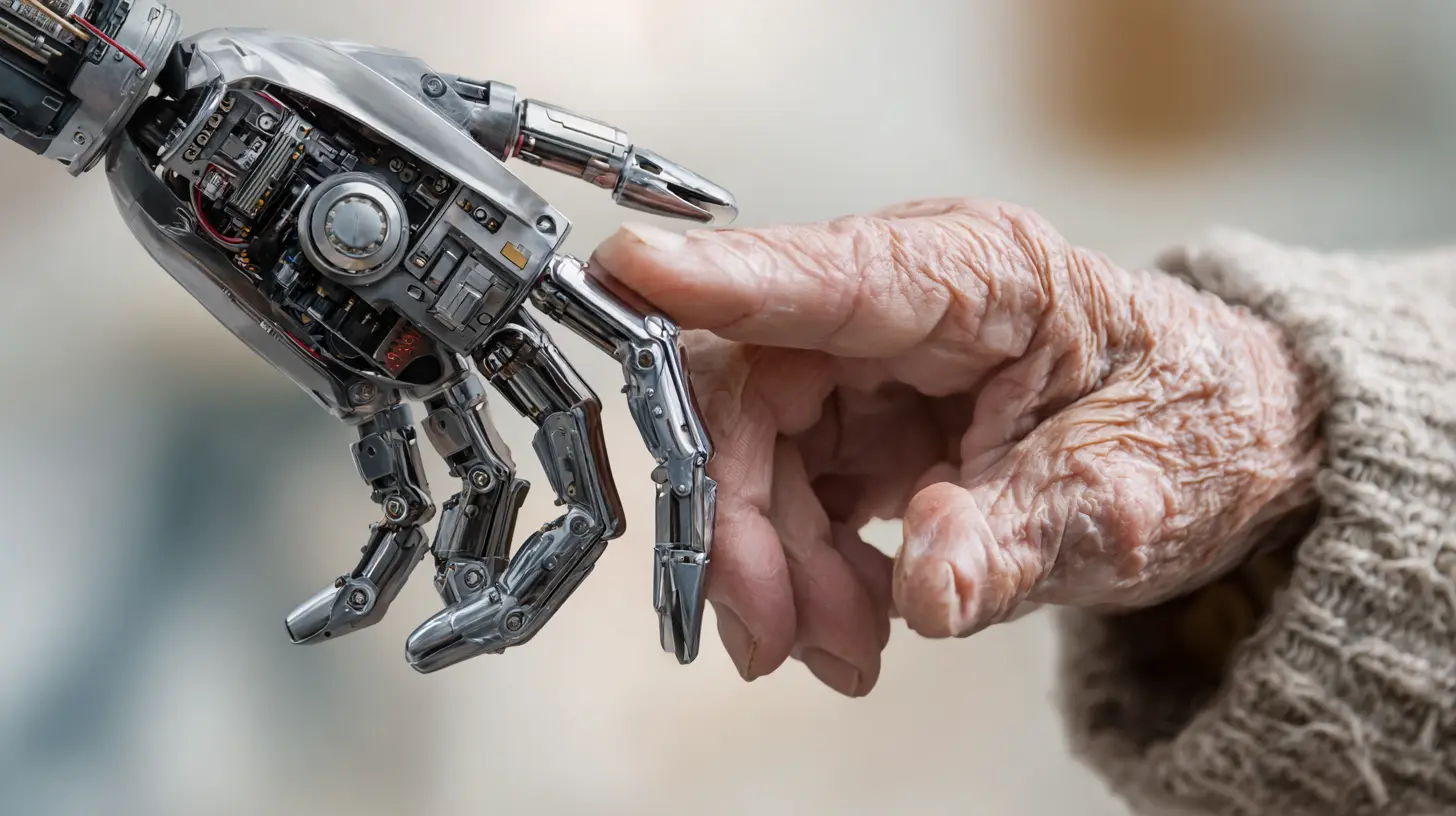
Understanding the Aging Population
The World Health Organization reports that by 2050, the number of people aged 60 and older will reach 2 billion, up from 900 million in 2015. This demographic shift presents both opportunities and challenges for caregivers, families, and the healthcare system as a whole. As traditional care models struggle to keep pace with the growing need for support, robots are stepping in to offer various forms of assistance.The Need for Support
Aging often comes with a range of physical and cognitive challenges. Many elderly individuals face mobility issues, chronic health conditions, and social isolation. Family members may find it increasingly difficult to provide care due to work commitments, distance, or lack of training. This is where robotic systems can play a pivotal role, providing the necessary support to enhance the quality of life for seniors.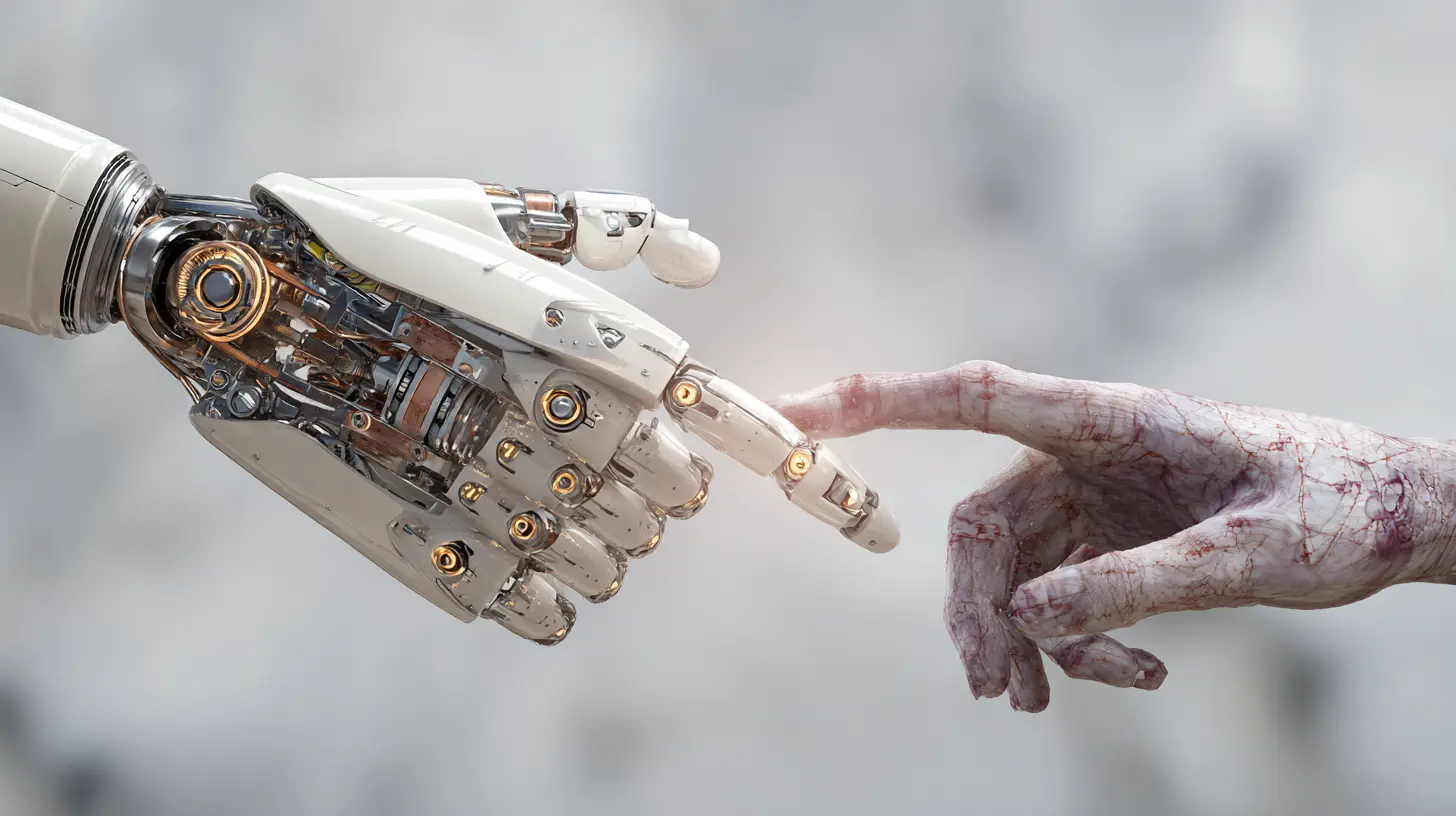
Types of Robots in Elderly Care
The landscape of robotic technology is diverse, and in the context of elderly care, several types of robots are emerging. Each type serves a unique purpose, addressing specific needs within the elderly population.Companion Robots
Companion robots are designed primarily for social interaction. They provide companionship and can help alleviate feelings of loneliness and isolation among seniors. One well-known example is Paro, a therapeutic robotic seal that responds to touch and sound, providing emotional support. Research has shown that interacting with such robots can lead to improved mood and reduced anxiety in elderly individuals.Consideration: While companion robots can enhance emotional well-being, they should not replace human interaction. They work best as a supplemental tool rather than a complete solution.
Assistive Robots
Assistive robots are focused on helping seniors with daily tasks, such as mobility or household chores. Robotic arms and mobility aids can assist with lifting, carrying, or reaching for objects, making life easier for those with limited physical capabilities. The robotic exoskeletons, such as those developed by Ekso Bionics, enable individuals with mobility impairments to regain some independence.Trade-off: While assistive robots can significantly enhance mobility and independence, they often require training and adaptation. Seniors may need time to learn how to effectively use these technologies.
Monitoring Robots
Monitoring robots utilize sensors and artificial intelligence to keep track of the health and safety of elderly individuals. These robots can alert caregivers or family members if they detect falls, unusual behavior, or health issues. For example, the ElliQ robot is designed to engage seniors in conversation and monitor their activities to promote a healthy lifestyle.Best Practice: Integration of monitoring robots should be done sensitively, ensuring that seniors feel comfortable with the technology. Full transparency about data collection and usage is essential for trust.
Benefits of Robotics in Elderly Care
The integration of robots into elderly care offers numerous advantages, from enhancing safety to improving the quality of life.Enhanced Independence
Robots can empower seniors to maintain their independence longer. By assisting with physical tasks and daily activities, these technologies help seniors live at home rather than in assisted living facilities. For many, staying in familiar surroundings is vital for mental and emotional well-being.Reduced Caregiver Burden
Family caregivers often face significant stress due to the demands of caring for elderly relatives. Robots can help alleviate some of this burden by taking on tasks that require physical strength or constant attention. This allows caregivers to focus on providing emotional support rather than merely fulfilling logistical needs.Improved Health Monitoring
With the ability to track health metrics continuously, monitoring robots can provide timely alerts for potential health issues. This proactive approach can lead to earlier interventions, reducing hospital visits and improving overall health outcomes for seniors.Social Engagement
Companion robots can encourage seniors to engage in activities they might otherwise forego due to loneliness or lack of motivation. By facilitating social interaction, these robots can contribute to better mental health and emotional resilience.
Challenges and Considerations
While the potential benefits of robots in elderly care are promising, several challenges and considerations must be addressed.Technology Acceptance
One significant hurdle is the acceptance of technology among seniors. Many elderly individuals may not be comfortable with robots or technology in general. Education and training are crucial to ensure that they feel confident using these devices.Common Mistake: Assuming that all seniors will embrace robotic technology is a mistake. It is essential to tailor solutions to individual preferences and comfort levels.
Cost and Accessibility
The development and implementation of robotic systems can be costly. While prices are decreasing as technology advances, affordability remains a barrier for many families and institutions. Policymakers and stakeholders must work to ensure that these innovations are accessible to all.Recommendation: Consider subsidizing robotic technologies for low-income families or integrating them into public healthcare systems to increase accessibility.
Ethical Concerns
As with any technology that collects personal data, ethical concerns around privacy and security arise. It is vital for developers and caregivers to prioritize data protection and establish clear guidelines on how data will be used and shared.Advice: Always communicate openly with seniors and their families about data practices and respect their preferences regarding privacy.
Real-World Examples
The application of robots in elderly care is not just theoretical; several organizations and communities are already pioneering this movement.Japan's Robot Revolution
Japan is at the forefront of integrating robotics into elderly care. With one of the fastest-aging populations, the country has embraced robots like Robi and Paro to assist in both companion and caregiving roles. Their widespread use in nursing homes has shown promising results in improving the mental and emotional health of residents.European Initiatives
In Europe, projects like the EU-funded Robot-Era initiative aim to develop robotic solutions that cater specifically to the needs of elderly individuals. These robots focus on enhancing mobility, communication, and safety, paving the way for a more supportive aging experience.U.S. Innovations
In the United States, tech companies are creating robots that not only assist with daily tasks but also engage seniors in cognitive challenges. For instance, robots like Jibo encourage conversation and mental activities, helping to keep minds sharp.
Future Trends
Looking ahead, several trends may shape the future of robots in elderly care.AI and Machine Learning
As artificial intelligence and machine learning technologies advance, robots will become increasingly sophisticated. They will be able to learn individual preferences, adapt their interactions, and provide more personalized care.Integration with Smart Home Technologies
The future will likely see greater integration between robotic assistants and smart home technologies. This combination will create a seamless ecosystem where robots can anticipate needs, monitor safety, and facilitate communication with family and healthcare providers.Collaborative Care Models
The future of elderly care may also involve collaborative care models where robots work alongside human caregivers. This team approach can maximize the strengths of both humans and machines, resulting in a more holistic care experience.Conclusion
The role of robots in elderly care is still evolving, but the potential for positive impact is clear. By enhancing independence, reducing caregiver burdens, and providing timely health monitoring, robots can transform the way we approach elderly care. However, it is essential to address challenges such as technology acceptance, cost, and ethical considerations to ensure that these innovations benefit everyone involved.As technology continues to advance, the future of elderly care could be brighter than ever, with robots playing a crucial role in fostering autonomy, connection, and well-being for seniors.
all images in this post were generated using AI tools
Category:
Robotics TechnologyAuthor:

Gabriel Sullivan