Portable Solar Chargers: Clean Energy for Your Tech
6 January 2026
Let’s face it—we’ve all been there. You’re miles into a beautiful hike, the sun is shining, you pull out your phone to take the perfect shot, and bam—your battery’s dead. No charger, no outlet, just nature... and a sad, lifeless screen. Annoying, right?
That’s where portable solar chargers come into play. They’re like magic. Instead of hunting for wall sockets or lugging around a power bank that dies faster than your phone, you can plug directly into the sun. Literally. These handy gadgets are changing the game for tech users who also crave a bit of nature (or just don't want to run out of juice on a coffee shop patio).
In this post, we're going deep—like solar-panel-deep—into the world of portable solar chargers. We’ll break down how they work, why they’re awesome (and sometimes not), and what to consider before buying one.
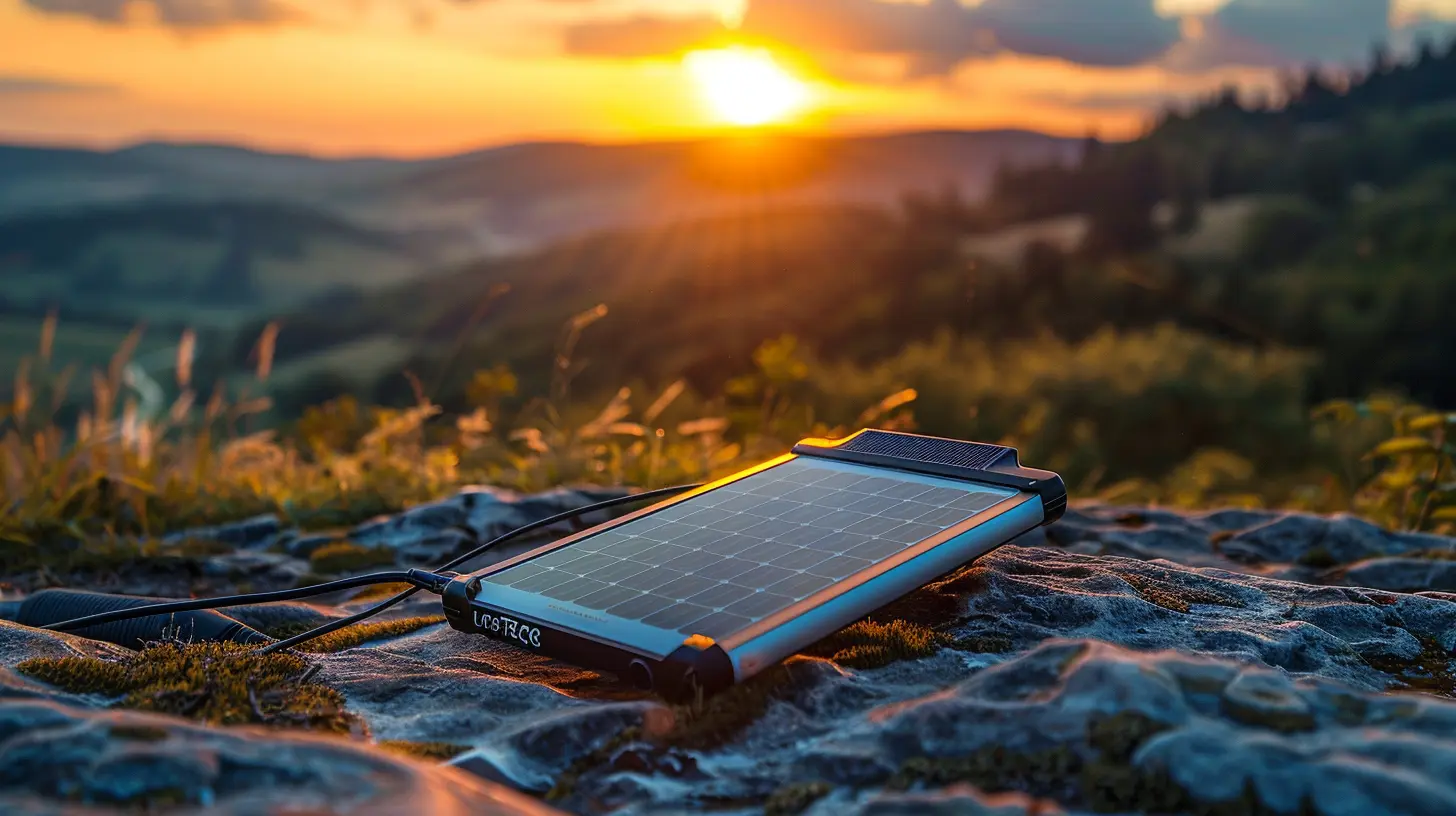
☀️ What Exactly Is a Portable Solar Charger?
Let’s start from the top.A portable solar charger is a device that converts sunlight into electricity to charge your tech gadgets—phones, tablets, cameras, GPS units, and even laptops (if you're fancy). It’s basically a mini solar power plant you can fold up, throw into a backpack, and take anywhere.
But don’t confuse them with those bulky rooftop panels. These are designed to be lightweight, compact, and super mobile. Think of them as the pocket-sized cousins of full-size solar systems.
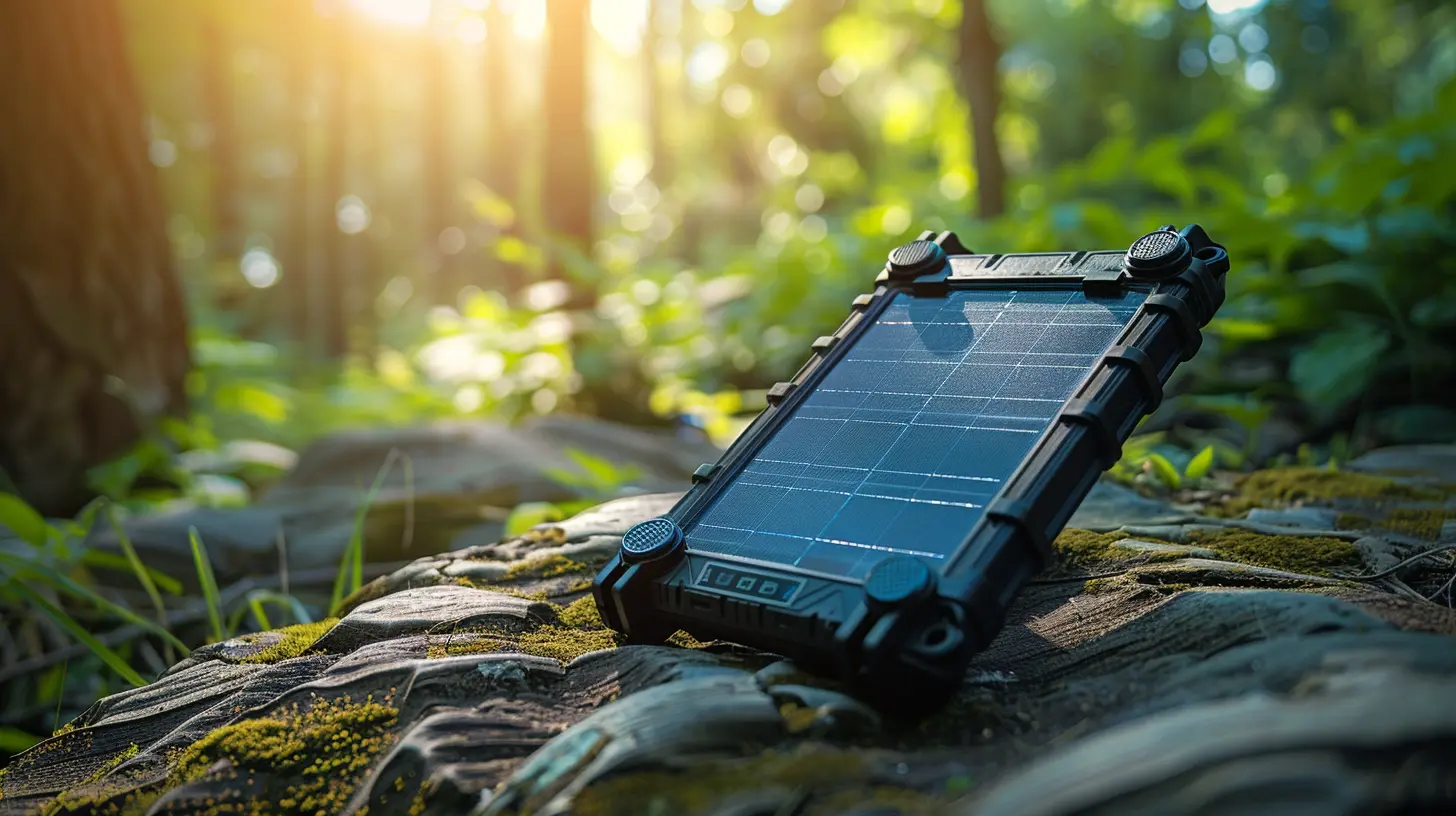
⚙️ How Do Portable Solar Chargers Work?
Alright, now for a bit of science—but don’t worry, we’ll keep it simple.Portable solar chargers use photovoltaic (PV) cells—those little bluish-black panels you see—to absorb sunlight. These panels then convert the sunlight into direct current (DC) electricity. That electricity can either go into a connected device (like your phone) or into a battery pack for later use.
Some models come with built-in batteries, while others are strictly solar-to-device connections. It all depends on what you need.
Types of Portable Solar Chargers
Here’s a quick breakdown of the types you’ll stumble across:- 🔌 Panel-Only Chargers – These are just the solar panels with USB ports. They require good sunlight and are better for immediate charging.
- 🔋 Solar Chargers with Batteries – These include a power bank that stores energy, so you can charge devices even after the sun goes down.
- 🧳 Foldable/Backpack Solar Panels – Designed for serious hikers and travelers. They open up like a map and can be attached to your backpack to charge while you move.
Each type has its perks, and which one you go for really depends on your lifestyle.
🌍 Clean, Green, and Totally Mean (to Fossil Fuels)
Let’s talk about the real superpower of solar chargers—clean energy.These chargers don’t just keep your phone alive. They help reduce your carbon footprint. Every time you power your device with solar energy, you’re not relying on electricity generated from fossil fuels. It’s a small change with a big impact.
Imagine if everyone on your next camping trip was using their own solar charger. No extension cords, no humming generators, just sunlight being used directly. It's cleaner, quieter, and a whole lot cooler.
And it's not just about camping. Use a portable charger at the beach, on your porch, or during a blackout—it stands strong wherever the sun shines.
🌦️ But… Do They Actually Work?
Great question. The short answer is: yes—but with some caveats.Solar chargers work best under direct sunlight. Cloudy days, shaded areas, and indoor lighting significantly reduce the charging speed. They’re not miracle workers—but neither is your wall outlet during a power outage.
Also, keep in mind that charging directly from solar panels is generally slow. It’s perfect for topping off your phone or keeping your battery pack full, but don’t expect lightning-fast speeds like plugging into the wall.
Want quicker results? Go for a model with a battery pack. Charge the pack during sunny hours, then use it to quickly fuel your devices whenever you need.
🎒 Who Should Use a Portable Solar Charger?
These babies are ideal for:- Outdoor Enthusiasts – Hikers, campers, backpackers, and travelers who don’t want to carry ten power banks or find themselves stranded with 2% battery.
- Preppers and Emergency Planners – Great for power outages, hurricanes, and other emergencies. If the grid goes down, the sun’s still shining.
- Eco-Warriors – Anyone looking to make their tech habits a bit more sustainable. One solar charge at a time.
- Everyday Users – Honestly, even if you're chilling at a park or patio, why not charge for free using the sun?
🔍 What to Look For Before Buying
So, you’re sold. You want a solar charger. But how do you pick one? Here are the key things to check before you click “Buy Now”:1. Wattage and Output
The higher the wattage, the faster the charge. For phones, 5 to 10 watts is decent. For tablets or multiple devices, aim for 15 watts or more. Always check the output specs—some panels only push out tiny amounts of power, good for emergencies but not daily use.2. Portability
Are you hiking with it or just using it in the backyard? Weight and size matter. Foldable panels are great for portability, while flat panels are sturdier but bulkier.3. Built-in Battery or Not
If you want energy on demand—even when it’s dark—go for a charger with a built-in battery. If you’re always sunbathing or outside during charging, a panel-only model might be enough.4. Durability and Weather Resistance
If the charger is going into the wild with you, make sure it’s rugged. Look for waterproof, dustproof, and shock-resistant features.5. Number of USB Ports
Are you charging just your phone, or a phone, camera, and Bluetooth speaker? More ports = more flexibility.🧪 Real Talk: Pros and Cons
Let’s break it down further with a good ol’ pros and cons list.👍 Pros:
- Totally free energy. Sunlight doesn’t charge your credit card.- Ideal for emergencies or outdoor adventures.
- Eco-friendly and sustainable.
- Surprisingly lightweight and compact.
- Long-lasting—from 5 to 10 years or more.
👎 Cons:
- Slower than wall charging.- Dependent on weather and sunlight.
- Some cheaper models are really... just bad (you get what you pay for).
- Not ideal for charging high-power devices like laptops (unless you get a specialized one).
Still, the pros usually outweigh the cons—especially for the right kind of user.
🛠️ Maintenance Tips (Because You’ll Want Yours to Last)
Treat your solar charger well, and it’ll return the favor. A few quick tips:- Keep it clean. Dust and debris reduce efficiency.
- Avoid high humidity or extreme heat when storing.
- Don’t fold or crease the panels in weird ways unless they’re designed for it.
- Use a battery pack if you want to avoid charging during peak sun hours.
These things are built tough, but some basic care keeps them running for years.
💡 Bonus: Creative Ways to Use Your Portable Solar Charger
Most people grab a solar charger just for keeping their phone alive. But you can get more creative:- Power fairy lights at your campsite.
- Charge action cameras while biking.
- Keep a Bluetooth speaker going at your beach hangout.
- Use it to power a small fan during hot summer hikes.
- Even some USB-powered water purifiers can be charged with these devices!
Whatever your vibe, there's probably a solar use for it.
🇯🇵 Japan’s Bento Box Could Learn a Thing or Two...
Here’s a fun metaphor: Portable solar chargers are like the "bento box" of energy. They’re compact, efficient, and neatly packed with everything you need. You wouldn’t expect a full kitchen on your back hike, so why expect a whole power grid? A solar charger gives you tasty little portions of energy, exactly when you need them.🌞 The Future Is Bright… Literally
Solar tech is evolving fast. Panels are getting more efficient, batteries are getting smaller and smarter, and combining them is becoming the new norm.In the future, we may see solar-powered backpacks, clothes, or even tents. For now, a portable solar charger is a step in the right direction. It’s clean. It’s easy. And it’s tech meeting nature in the best way possible.
So next time your phone buzzes that dreaded low-battery warning, don’t panic. Just smile, open your solar panel, aim it toward the sun, and let nature do the rest.
all images in this post were generated using AI tools
Category:
Portable TechAuthor:

Gabriel Sullivan
Discussion
rate this article
2 comments
Jinx McGrath
Great insight! Portable solar chargers are perfect for eco-conscious tech users.
February 25, 2026 at 4:30 AM
Gabriel Sullivan
Thanks for your comment! I agree, portable solar chargers are a smart choice for those who care about the environment.
Pamela Patel
While portable solar chargers offer a sustainable energy solution for tech users, their efficiency can be hindered by weather conditions and panel quality. Balancing convenience with practical limitations is essential for widespread adoption and effectiveness.
January 16, 2026 at 5:10 AM
Gabriel Sullivan
Thank you for your insightful comment! Balancing efficiency with weather variability and panel quality is indeed crucial for maximizing the potential of portable solar chargers. Your points highlight important considerations for their widespread adoption.