Portable Power Stations for Off-Grid Adventures
4 July 2026
In today's fast-paced world, there’s nothing quite like escaping the hustle and bustle of city life for an off-grid adventure. Whether you're hiking up a mountain, camping deep in the woods, or just enjoying some time away from modern conveniences, one thing is clear: staying disconnected from the world doesn't mean you have to be powerless. Enter portable power stations – the unsung heroes of modern adventures. They provide energy without the need for noisy generators or bulky setups.
So, if you're planning your next off-grid adventure, let’s dive into how portable power stations can keep your gadgets charged, your lights on, and maybe even your coffee warm. Because, let’s face it: we all need a little tech in our outdoor escapes.
What Is a Portable Power Station?
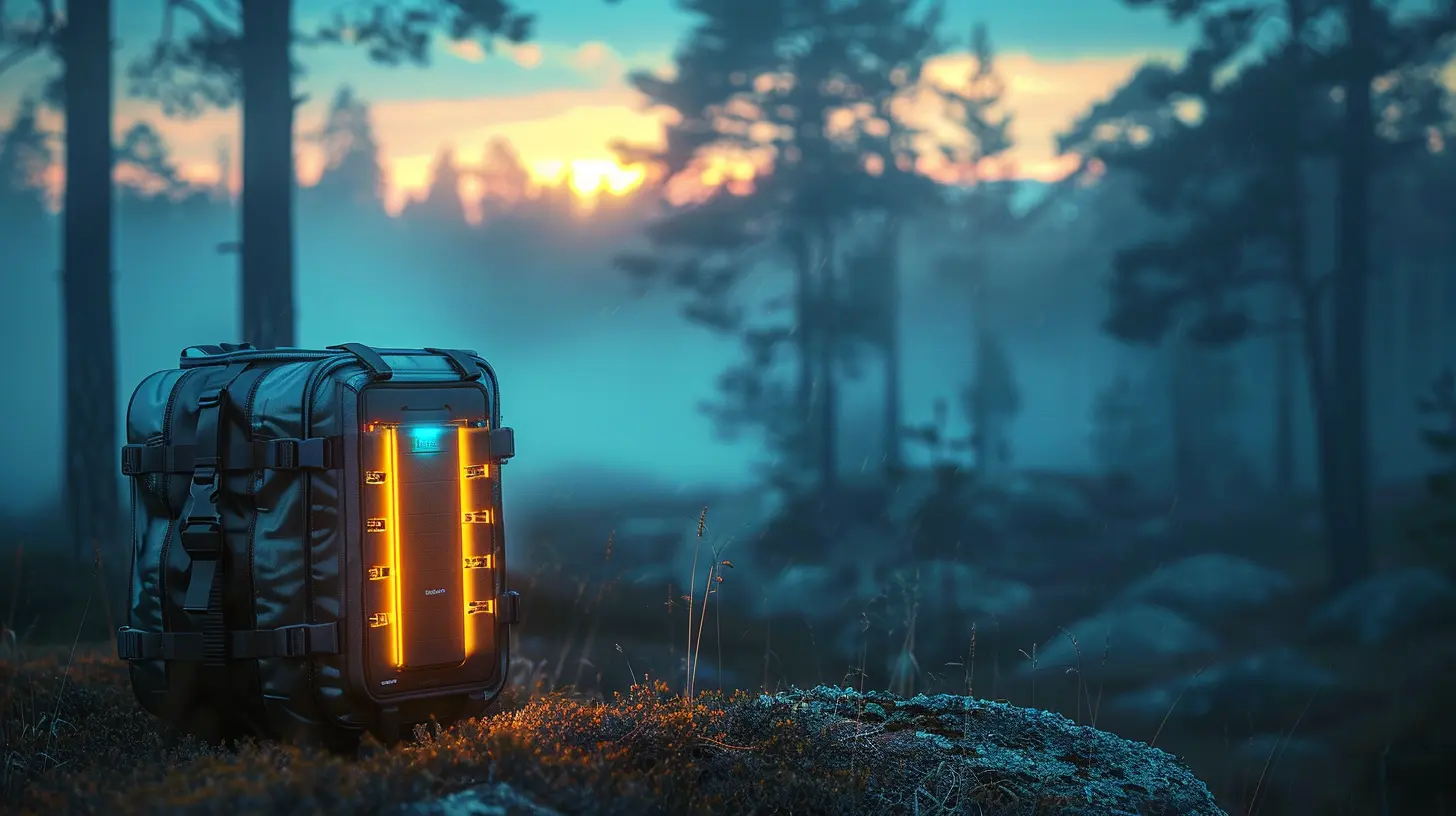
Before we jump into the nitty-gritty, let’s clarify something: what exactly is a portable power station? Imagine a beefed-up power bank but on steroids. It’s a rechargeable battery-powered generator that can power various electronic devices like smartphones, laptops, mini-fridges, cameras, and even small appliances. Unlike traditional gas generators, portable power stations are silent, eco-friendly, and much more convenient to transport.These power stations typically come equipped with several outlets – USB ports, AC outlets, and even DC carports. They’re designed to store electrical energy, which can be sourced from a wall socket, car outlet, or solar panels. Yes, you read that right – solar panels! Now you're not just off-grid, you're off-grid and green!
Why Are They Perfect for Off-Grid Adventures?
Why should you even bother with a portable power station when you’re planning to unplug from the modern world? Well, while it’s lovely to imagine yourself fully disconnected, the truth is, modern-day adventuring often requires a bit of tech. Here's why:1. Safety First: Whether you're deep in the woods or hiking in remote areas, having a charged phone or GPS device is a must for emergencies. A portable power station ensures your lifeline to the outside world is always juiced up.
2. Comfort and Convenience: Let’s be real – camping is fun until your phone dies, your food spoils, or your flashlight runs out of battery. A power station can keep your essentials, like lights, fans, or even a heated blanket, running for days.
3. Eco-Friendly Alternatives: Many outdoor enthusiasts are turning toward solar-powered portable stations. This means as long as there’s sunlight, you’re getting renewable energy. Skip the gas-powered generators and embrace the quiet, clean energy of a power station.
Key Features To Consider When Choosing a Portable Power Station
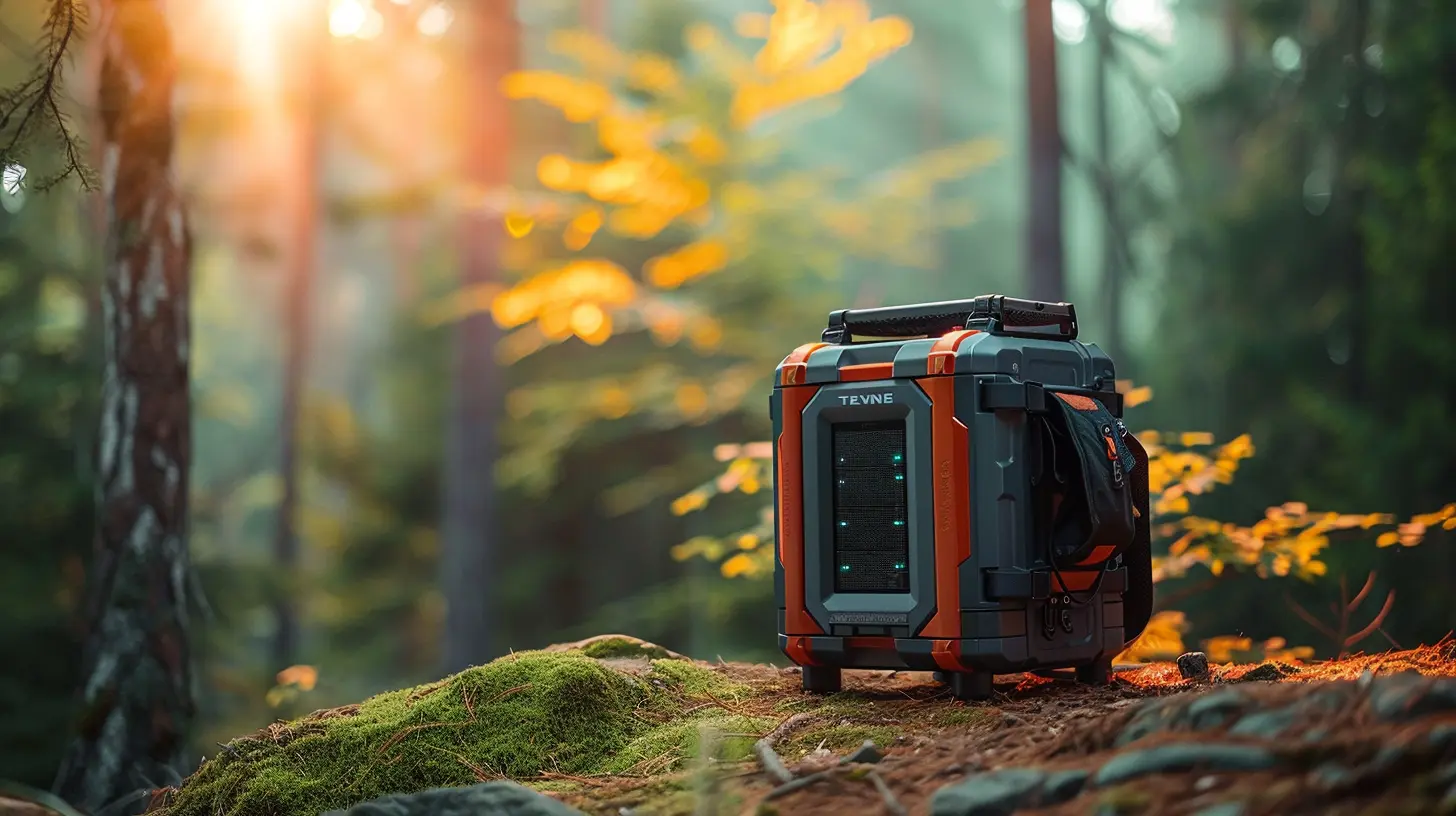
Choosing a portable power station can feel like a daunting task, especially with all the options available. But don't worry! I’ve broken it down into some key features you should consider before making your purchase.1. Battery Capacity (Measured in Watt-Hours)
Battery capacity is, hands down, the most important feature to pay attention to. It’s typically measured in watt-hours (Wh). The higher the watt-hour rating, the longer the power station can run your devices. For example, a 500Wh battery can technically run a 100W device for 5 hours.If you’re just charging small gadgets like phones and cameras, a 200Wh to 300Wh station should suffice. But if you’re powering larger devices like portable fridges or CPAP machines, you’ll want something in the 500Wh and above range.
2. Port Options
Another critical factor is the types of ports available. You don’t want to be caught off-guard with a power station that doesn’t support your devices! Most portable power stations come with:- USB Ports (for phones, tablets, and smaller devices)
- AC Outlet (for appliances or larger electronics)
- 12V DC Carport (great for car accessories or inflators)
Make sure the station you choose has the right mix of ports for your needs.
3. Charging Methods
While all power stations allow you to charge via a wall outlet, many also offer the option to charge via solar panels or car outlets. If you’re going off-grid for several days, you’ll definitely want one that supports solar charging. Sure, it takes longer, but it’s an eco-friendly and reliable way to keep your station topped up.4. Weight and Portability
You're going off-grid, not lugging a bunch of bricks into the wilderness. So, the weight of the power station matters. Some portable power stations are incredibly lightweight and compact, while others are, well, not so portable. Make sure to match the size and weight of the unit with your adventure plans. If you’re car camping, you can go heavier. But if you’re trekking miles into the backcountry, opt for a lighter model.5. Durability
Your power station might face the elements, especially in rugged outdoor environments. It’s crucial to choose a power station that can handle a bit of rough treatment. Look for models with reinforced corners, water-resistant casings, and overall rugged construction.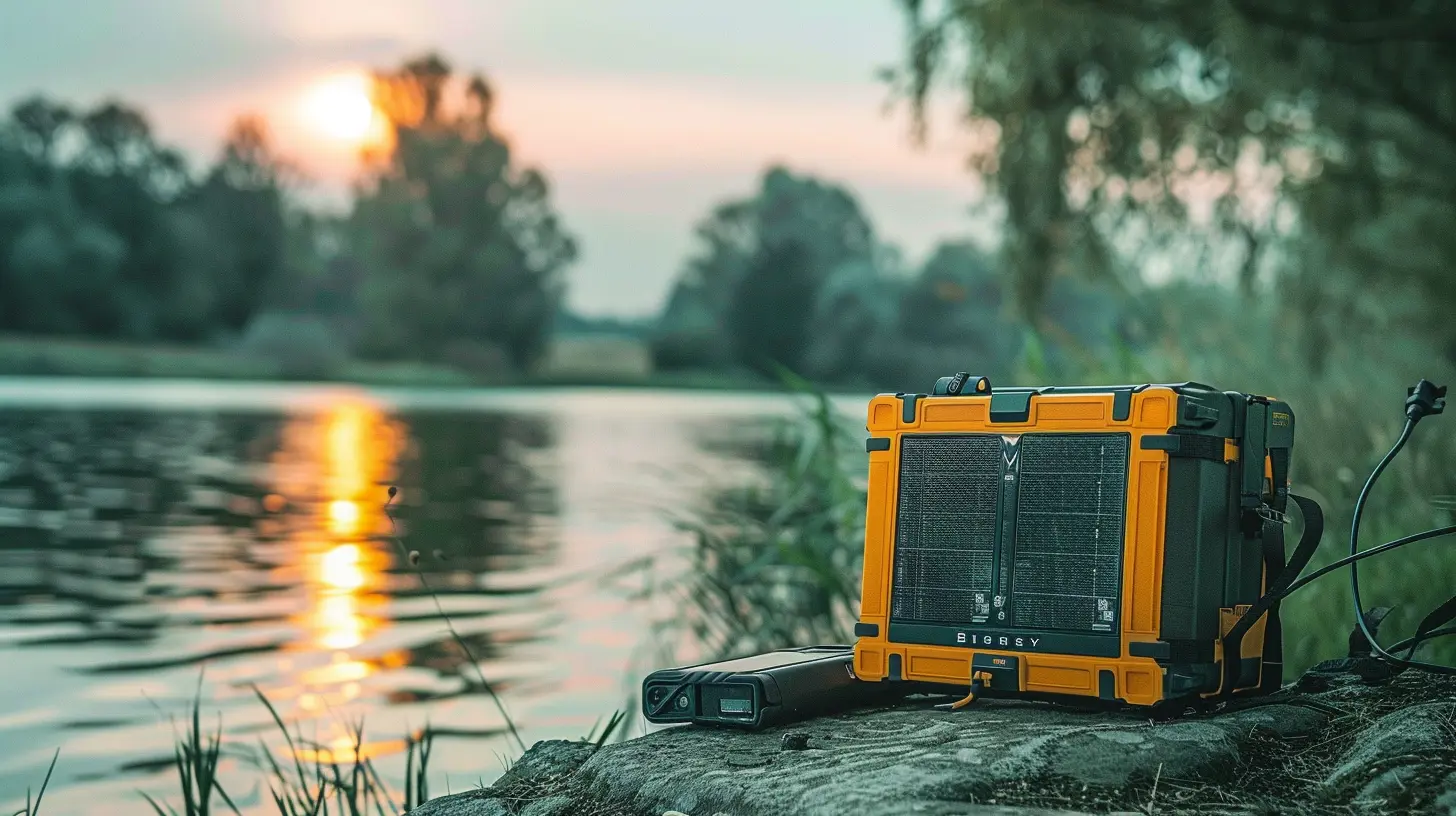
Top Portable Power Stations for Off-Grid Adventures
Now that you know what to look for, let’s talk about some of the top-rated portable power stations for your next off-grid adventure. These models are well-reviewed, reliable, and perfect for outdoor enthusiasts.1. Jackery Explorer 500
Battery Capacity: 518WhWeight: 13.3 lbs
Best For: All-around adventurers
The Jackery Explorer 500 is a popular choice among campers and van-lifers, and it’s easy to see why. With a solid 518Wh capacity, it can power small appliances, charge multiple devices at once, and even run a mini-fridge for a decent amount of time. Plus, the Explorer 500 is solar-compatible, making it a great option for extended trips where you need constant recharging.
2. Goal Zero Yeti 400
Battery Capacity: 400WhWeight: 29 lbs
Best For: Car campers and RVers
The Goal Zero Yeti 400 is a beefy power station that can handle larger loads. Its 400Wh capacity makes it ideal for car camping or RV trips where you need to power larger devices like portable coolers, CPAP machines, or multiple laptops. However, it’s a bit on the heavier side, so it’s not the best choice for those backpacking adventures.
3. EcoFlow River Pro
Battery Capacity: 720WhWeight: 15.9 lbs
Best For: Power-hungry adventurers
Need something with a bit more kick? The EcoFlow River Pro is a powerhouse, with a whopping 720Wh capacity. It supports fast charging, meaning you can juice it up in under 2 hours from a wall outlet. Plus, it’s solar-compatible, making it perfect for multi-day trips where you might need to recharge in the wild.
4. Anker Powerhouse II 400
Battery Capacity: 388WhWeight: 9.7 lbs
Best For: Lightweight adventurers
The Anker Powerhouse II 400 is a great option for those who want something lightweight but reliable. With a 388Wh capacity, it’s perfect for charging smaller devices like phones, cameras, and laptops. It also has a built-in flashlight, which is a handy bonus for campers.
Are Solar Panels Necessary for Off-Grid Adventures?
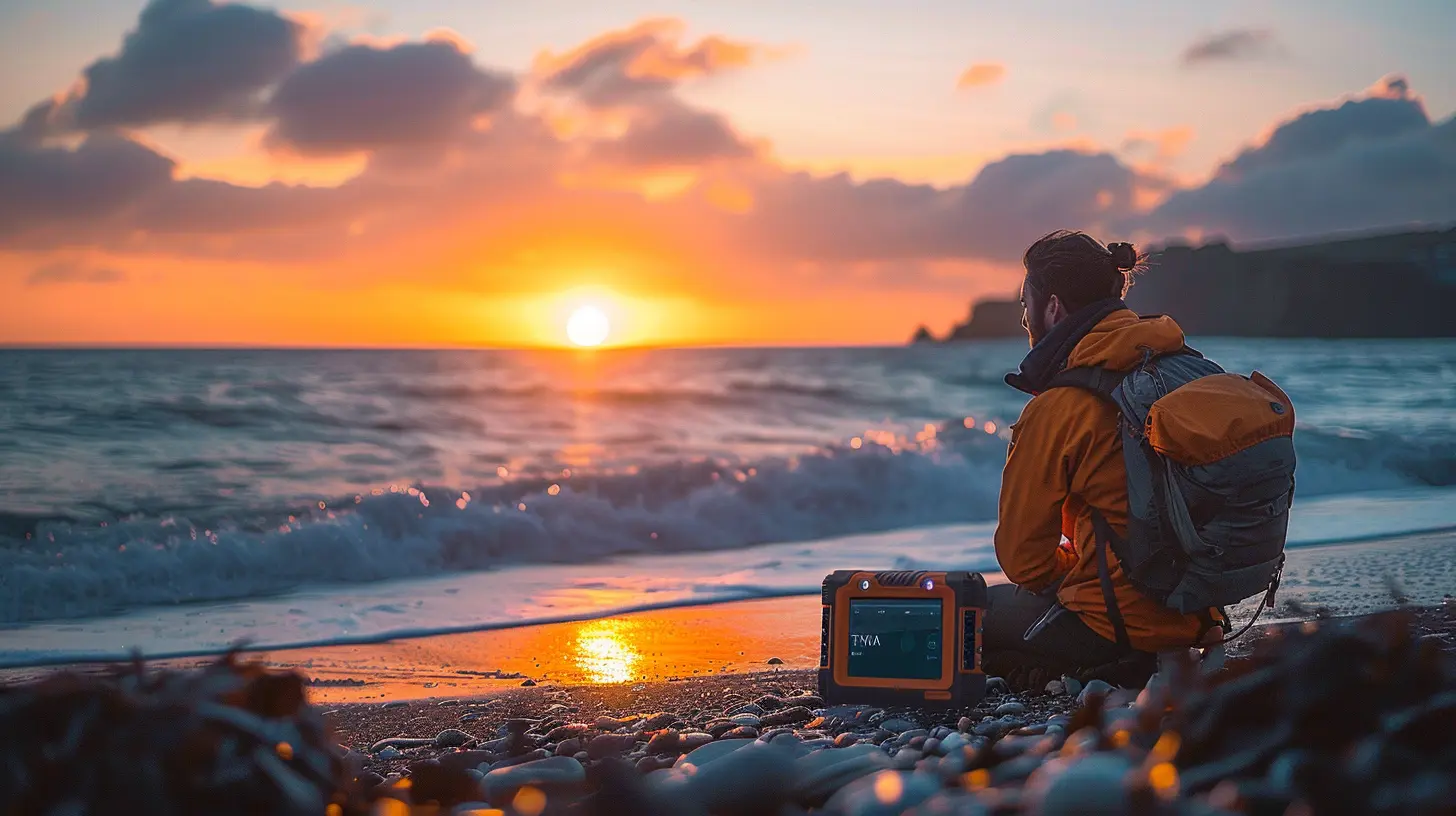
You might be wondering: “Do I really need solar panels?” Well, it depends on how long you plan to be off-grid and how much energy you’ll need.If your adventure is just a weekend getaway, you can likely get by on a fully charged power station without the need for solar panels. However, if you're going off-grid for an extended period, solar panels are a game-changer. They allow you to keep your power station charged, even in the most remote locations, as long as the sun is shining.
Many portable power stations are compatible with foldable solar panels, which are easy to pack and set up. Just make sure you match the solar panel's wattage with your power station’s input to ensure efficient charging.
How To Maximize Your Power Station's Battery Life
To get the most out of your portable power station, you’ll want to use it wisely. Here are a few tips to help you stretch that battery life:1. Charge Devices Efficiently: Charge your devices like phones or tablets during the day when you have access to solar energy. This way, you save battery for nighttime use.
2. Use LED Lights: LED lights are incredibly energy-efficient and can last much longer on your power station compared to traditional bulbs.
3. Turn Off Devices When Not In Use: It sounds obvious, but turning off devices when you're not using them can save a lot of power.
4. Optimize Charging Cycles: Avoid letting your power station completely drain before recharging, as this can shorten the battery's lifespan.
Conclusion
Whether you're a seasoned camper, a weekend warrior, or someone preparing for a future van-life adventure, a portable power station is your best bet for keeping your gadgets and small appliances powered up. From safety and convenience to eco-friendly benefits, they’re an essential part of any off-grid adventure.Remember to consider your specific needs when choosing a power station – from battery capacity and port options to weight and charging methods. And if you’re planning a longer trip, don’t forget those solar panels!
So, what are you waiting for? Get out there, explore the great outdoors, and stay powered up while you do it. After all, even nature lovers need a bit of juice sometimes!
all images in this post were generated using AI tools
Category:
Portable TechAuthor:

Gabriel Sullivan
Discussion
rate this article
1 comments
Beatrice Stone
Imagine a world where the hum of civilization fades, replaced by the crackle of a campfire and the whisper of the wind. With portable power stations, the possibility of endless nights under starlit skies and days of exploration awaits. What will you power next?
July 6, 2026 at 10:41 AM
Gabriel Sullivan
That sounds like a dream come true! With portable power stations, we can truly embrace the great outdoors while staying connected. What's your first adventure plan?