Next-Level Gaming Consoles to Watch in 2026
19 April 2026
Remember the feeling of unboxing your first major console? The smell of new plastic, the weight of the controller in your hands, the sheer potential of it all? Fast forward to 2026, and that feeling is about to be redefined—not just by prettier graphics, but by a fundamental shift in what a gaming console is. We’re not just talking about a spec bump; we’re talking about a philosophical leap. The gaming landscape is simmering, and by 2026, it will boil over with hardware that blurs lines, breaks molds, and challenges our very definition of play. Let’s pull back the curtain on what’s coming.
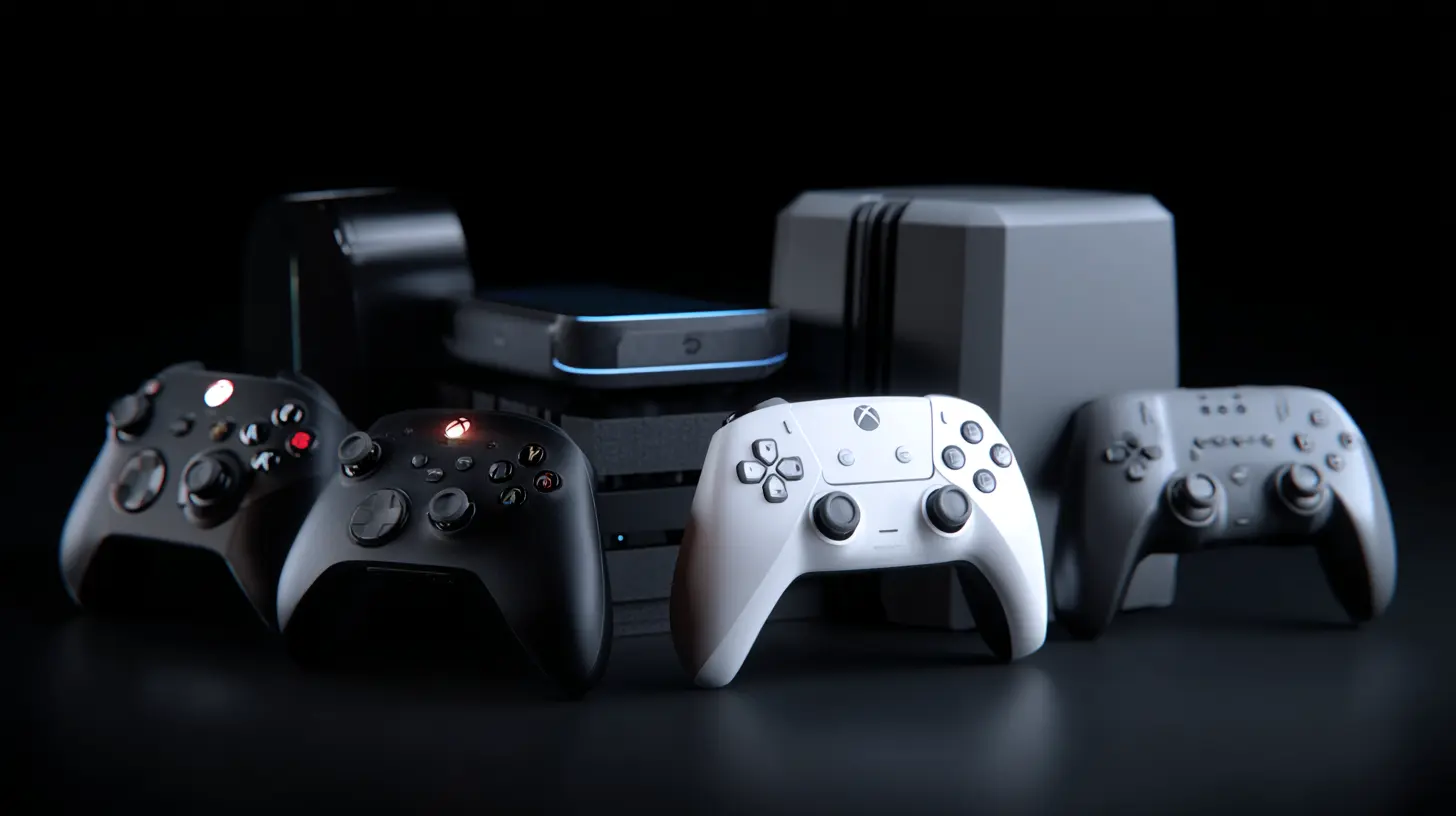
Beyond the Box: The Era of Hybrid Ecosystems
For years, the console war was a simple battlefield: you picked your camp, bought your box, and that was your gaming identity. 2026 is set to obliterate that notion entirely. The next-level console won't be just a box under your TV; it will be the beating heart of a hybrid ecosystem.Think of it like your smartphone. It’s not just a phone; it’s your camera, your wallet, your communication hub, and your portable gaming device. The 2026 console aims for a similar centrality in your entertainment life. We’re looking at hardware that seamlessly integrates your high-fidelity 4K/8K living room experience with a truly uncompromised portable mode, not as a separate device, but as a single, unified library and identity. Cloud saves will be a relic of the past because your game state will live perpetually in sync across all your screens. The "console" becomes your access key to a persistent world, whether you’re on your couch, on a train, or at a friend’s house.
This shift is powered by a combination of custom, hyper-efficient architectures (think beyond the current AMD APUs) and ubiquitous, low-latency cloud infrastructure. The device in your hand or under your TV becomes a smart node in a larger network, offloading intensive tasks like ray-tracing or AI-driven world simulation to the cloud when needed, or handling it locally when you’re offline. The goal? A frictionless experience where you, the player, never have to think about how you’re playing, only what you’re playing.
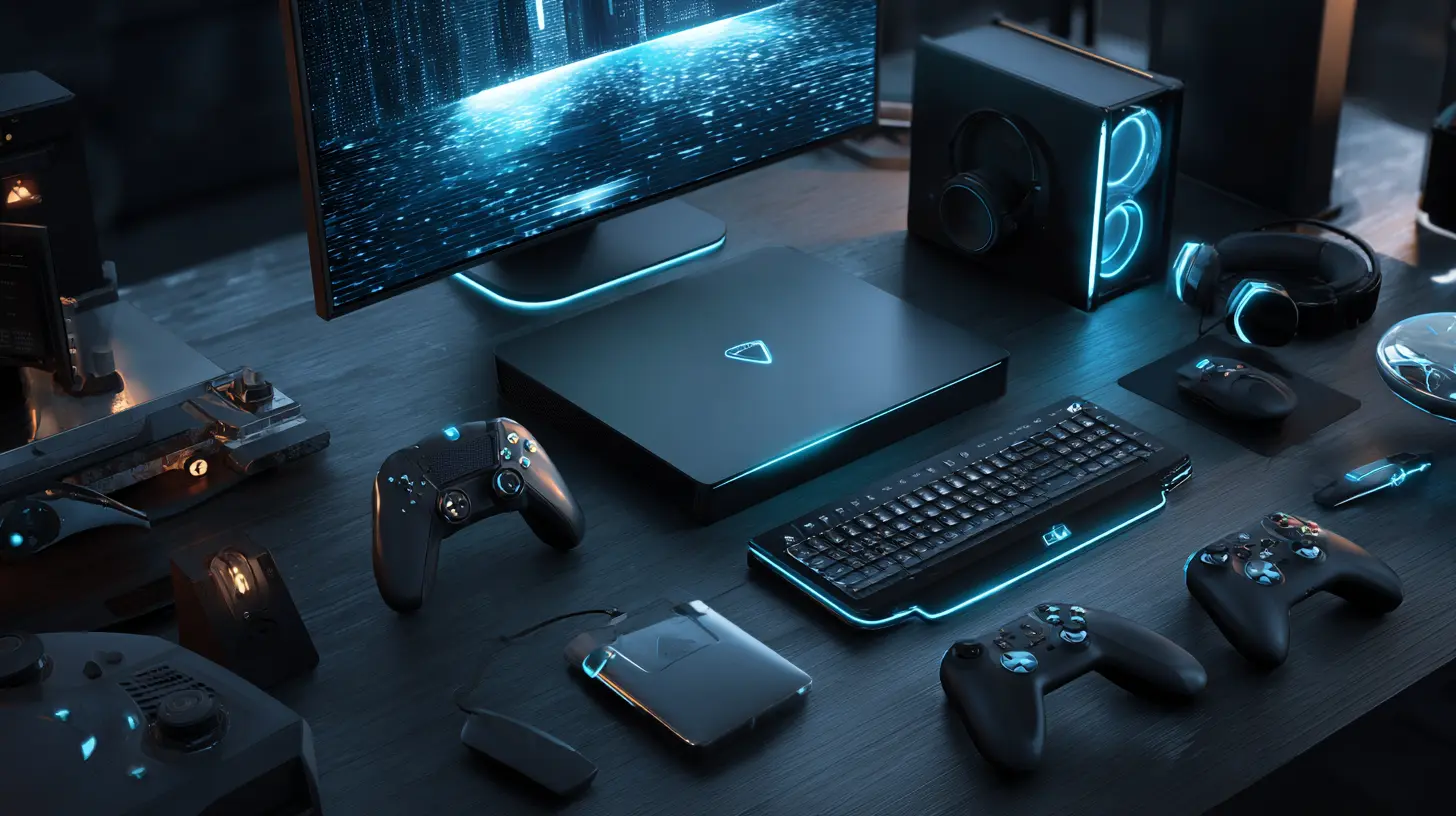
The Silent Revolution: AI and Machine Learning Co-Pilots
If raw teraflops were the race of the 2020s, then Artificial Intelligence is the arms race of the mid-2020s. By 2026, dedicated Neural Processing Units (NPUs) in consoles will be as standard as a GPU is today. But this isn't just for upscaling resolution (though DLSS/FSR-like tech will be mind-blowingly good). This is about AI that fundamentally changes development and gameplay.Imagine NPCs with memories that persist across your entire playthrough, learning your tactics and adapting village economies based on your actions. Envision dynamic worlds where every leaf, every puddle, every crowd reacts with a realism that’s not pre-scripted, but emergent. Your console’s AI could also act as a personal gaming assistant—analyzing your playstyle to offer subtle, real-time hints, dynamically adjusting difficulty to keep you in a state of "flow," or even generating unique side-quests tailored specifically to your character’s history.
It’s like the difference between a pre-recorded orchestra and a live jazz band. One follows a set script; the other listens, adapts, and improvises in the moment. 2026’s consoles will be the bandleaders of this new, responsive symphony of gameplay.
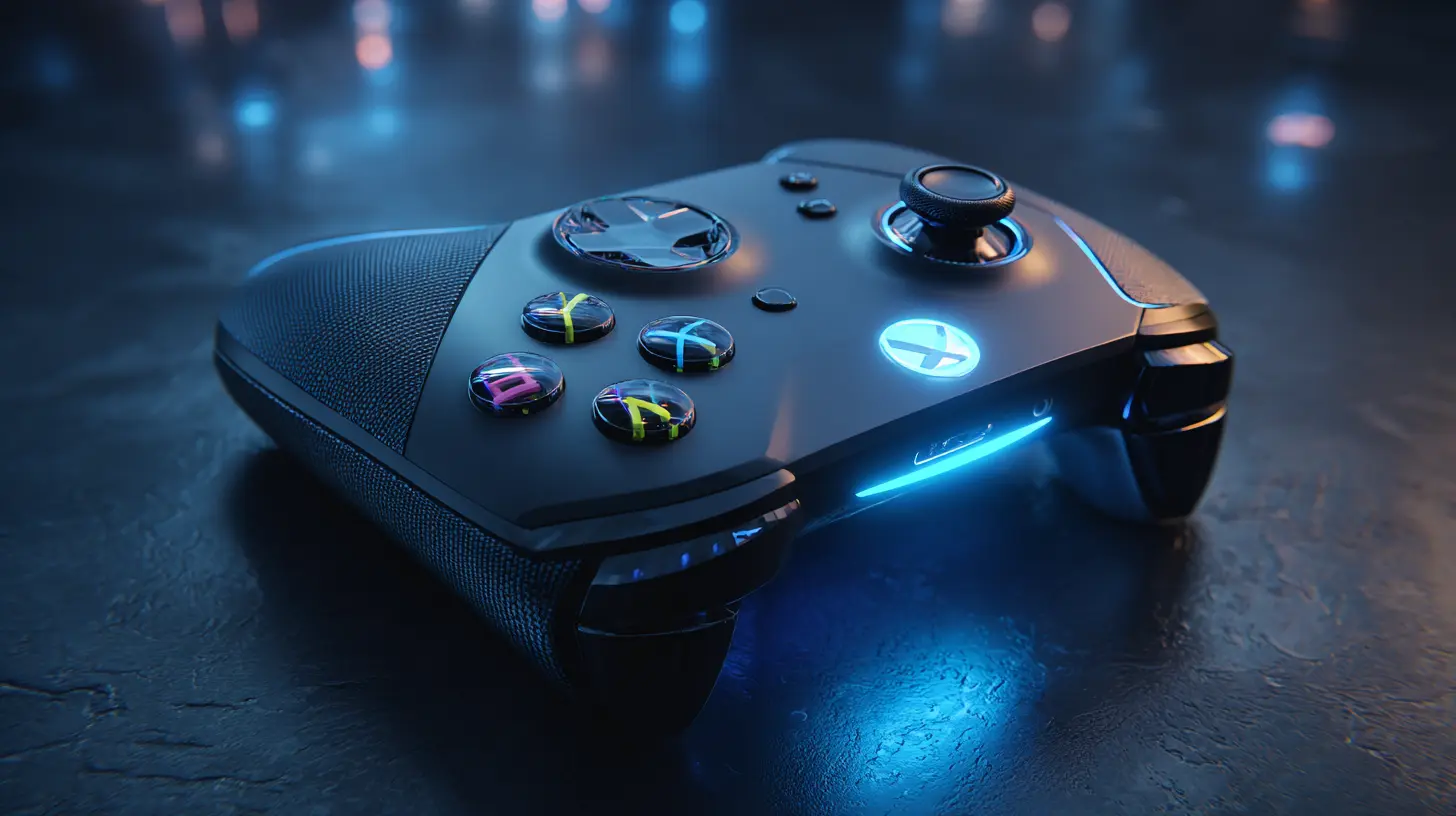
The Haptic Horizon: Controllers That Feel Real
DualSense’s adaptive triggers and haptic feedback were a tantalizing appetizer. By 2026, we’ll be feasting on the main course. Prepare for hyper-realistic haptic interfaces that engage far more than just your hands. We’re talking about vests that let you feel the direction of an incoming blow, the rumble of a spaceship’s engine, or the gentle patter of rain. Controllers will feature dynamic surface textures that can simulate the grip of a leather sword hilt, the slickness of a wet rock, or the grain of wood.This goes beyond gimmickry. It’s about deepening immersion to a level where the physical feedback loop is nearly as rich as the visual and auditory ones. Combined with advanced 3D audio that precisely maps sound in space, the gaming experience will begin to fully envelop your senses. The controller ceases to be an input device and becomes a portal, a conduit to another reality. Can you recall the last time a game truly startled you with a touch? That’s about to become a common occurrence.
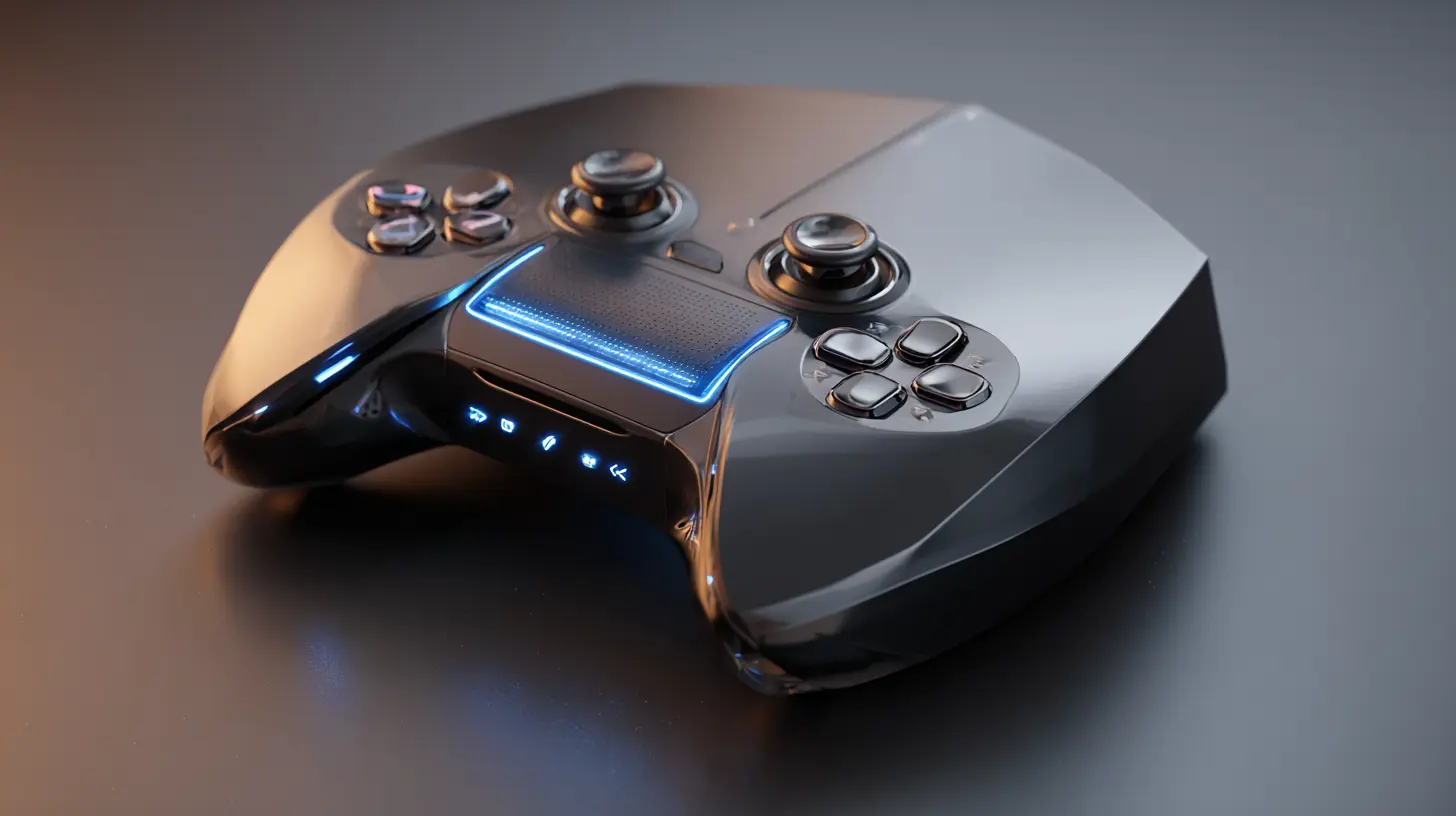
The Subscription Singularity and Cloud-Native Design
The "Netflix of Games" model is here, but by 2026, it will evolve into something more profound: the cloud-native console. Major players may release hardware that is surprisingly affordable—or even subsidized—because its primary role is to be the perfect client for a subscription service. This hardware will be optimized for streaming, with dedicated decompression silicon and Wi-Fi 7/8 connectivity for rock-solid, high-bitrate play.But the bigger shift is in game design itself. Developers, building primarily for these subscription ecosystems and powerful cloud backends, will create experiences that are impossible on standalone hardware. Think of massive, persistent online worlds with thousands of concurrent players affecting a single, evolving environment (think Ready Player One’s OASIS on a credible scale). Games that leverage server-side AI for incredibly complex simulations. Or narrative adventures where the world itself changes daily based on the collective actions of the entire player base. The console becomes your window into these living, breathing worlds that exist beyond the limitations of local silicon.
The Wild Cards: Modular Upgrades and New Players
The traditional 5-7 year console cycle feels increasingly archaic in a world of rapid tech advancement. Could 2026 see the rise of the modular gaming console? Imagine a base unit that you can slot in a new GPU module, or upgrade its storage and RAM, much like a PC—but with the plug-and-play simplicity of a console. This would be a paradigm shift, offering a middle ground between the static console box and the open, complex PC platform.Furthermore, the arena itself might expand. Tech giants like Google (with a revamped Stadia concept), Apple (if they ever decide to take gaming seriously with a dedicated device), or even a powerhouse from Asia could step in. Their entry wouldn’t be with a "me-too" box, but with a radical reimagining built around their strengths—deep integration with other devices, revolutionary UI powered by their OS, or a unique business model. The competition will force innovation at a breakneck pace.
What This All Means for You, the Gamer
So, what’s the takeaway from this crystal ball gaze? First, choice will explode. Your decision won’t just be about exclusive games, but about what kind of gaming philosophy you buy into: a powerful hybrid ecosystem, a cloud-native portal, or a modular, evolving platform. Second, the experiences will be unrecognizable. Games will feel more alive, more personal, and more physically immersive than ever before. Finally, the barrier to entry may lower, even as the high-end soars, with flexible subscription and hardware models.The console of 2026 isn’t just a piece of hardware; it’s a promise. A promise of seamless play, of worlds that breathe, of stories that adapt, and of sensations that feel real. It’s the next great leap from the pixelated playgrounds of our past. The question isn't just which box to buy—it's about what kind of future of play you want to step into. Are you ready for the game to change, once again?
all images in this post were generated using AI tools
Category:
Technology ReviewsAuthor:

Gabriel Sullivan
Discussion
rate this article
2 comments
Zora Sharpe
Get ready to level up your gaming experience in 2026! With these next-gen consoles on the horizon, it looks like we'll be fighting pixelated monsters and exploring vast worlds in style. Bring on the fun!
June 5, 2026 at 11:41 AM
Gabriel Sullivan
I can't wait! The possibilities for adventure are endless with what's coming. Let's gear up for an epic gaming future!
Hailey McDonald
The article effectively highlights the potential innovations in gaming consoles set for 2026, emphasizing advancements in graphics, AI integration, and cloud gaming capabilities. It’s crucial to consider how these technologies could redefine user experiences and gaming ecosystems, pushing boundaries beyond current limitations and fostering immersive gameplay.
April 20, 2026 at 2:46 AM