How Robots Are Changing the Way We Learn in Schools
11 August 2026
Walk into any modern classroom and you will still see the same basic setup that has existed for over a century: a teacher at the front, rows of desks, and students taking notes. But look a little closer and you might spot something new. A small wheeled robot rolling between the desks. A robotic arm on a side table. A humanoid torso on a cart, its screen displaying a friendly face. These machines are not toys, though they often look like them. They are becoming part of the educational ecosystem, and their presence raises a question that goes far beyond gadgetry: what does it actually mean to learn with a robot?
The short answer is that robots are not replacing teachers, and they are not going to. The longer, more honest answer is that they are reshaping the classroom in ways that are both promising and uncomfortable. The key is understanding where they help, where they hurt, and where they simply distract.
The Real Role of Robots in Education
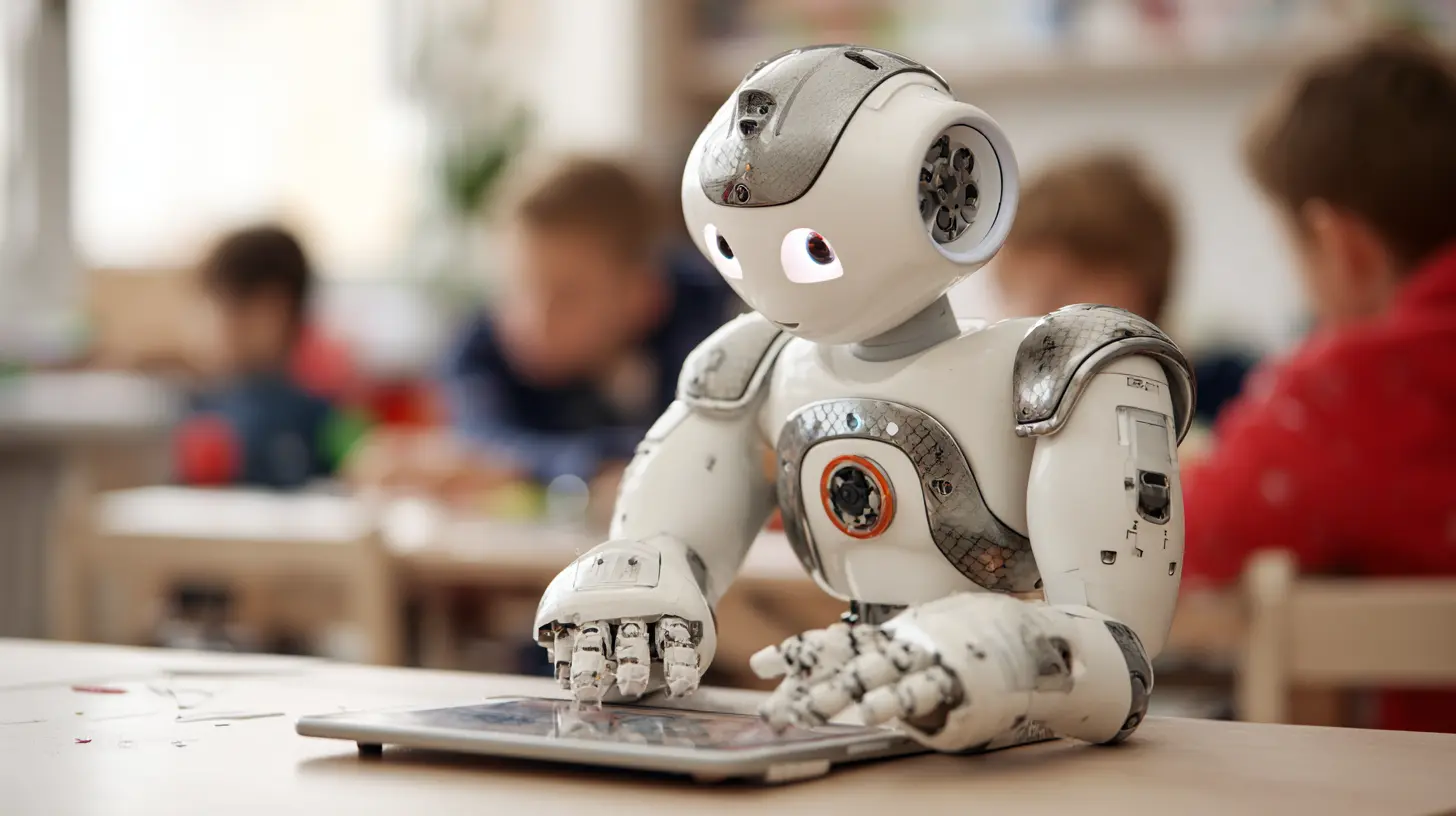
To understand how robots change learning, you first have to strip away the science fiction. We are not talking about sentient machines that deliver lectures or grade essays with human-level judgment. We are talking about three broad categories of devices.The first is the telepresence robot. These are essentially video conferencing systems on wheels. A student who is homebound due to illness can drive a robot around school, see classmates, hear the teacher, and participate in real time. The robot becomes the student's physical proxy.
The second category is the social robot. These are designed to interact with people using speech, gestures, and facial expressions. Think of NAO, Pepper, or Moxie. They are used for language practice, social skills training, and even basic tutoring. They are not just screens on wheels; they are designed to build rapport, however shallow that rapport might be.
The third category is the functional robot. This includes robotic arms, kits, and programmable devices like LEGO Mindstorms or Sphero. These are used to teach coding, engineering, and problem solving. The robot is the object of study, not the teacher.
Each category changes the learning experience differently. And each carries its own set of trade-offs that schools rarely consider before purchasing.
Telepresence: The Quiet Revolution
Telepresence robots are the most straightforward success story in educational robotics. They do not try to be intelligent. They simply extend a student's presence across space. For a child with a chronic illness, a broken leg, or severe anxiety, being in school is not always possible. The telepresence robot lets that child attend class without being physically there.The benefits are obvious. The student sees the whiteboard, hears the discussion, and can even roll up to a lab table. The teacher sees the student's face on a screen, which makes interaction far more natural than a phone call. Classmates can wave at the robot, and the student can wave back. This maintains social connection, which is critical for long-term academic engagement.
But there are problems. The robot is not the student. It cannot raise a hand in the same way, and it cannot do group work that requires physical manipulation. The camera angle is often fixed at eye level, which means the student cannot look down at a worksheet or up at a presentation without manually adjusting the robot. This creates a barrier that teachers must actively manage.
The bigger issue is equity. Telepresence robots are expensive, often costing between two and five thousand dollars. Many school districts cannot afford them for every student who needs one. So they become a solution for a few, not a system for many. There is also the social stigma. Some students refuse to use them because they feel like they are sticking out. The robot marks them as different, which defeats the purpose of inclusion.
My honest take is that telepresence works best when it is used sparingly and intentionally. It is not a replacement for a well-designed online learning program. It is a bridge for a temporary or specific need. If your school is considering one, ask whether the student will use it for more than a few weeks. If the answer is no, it might not be worth the cost.
Social Robots: The Promise and the Creepiness
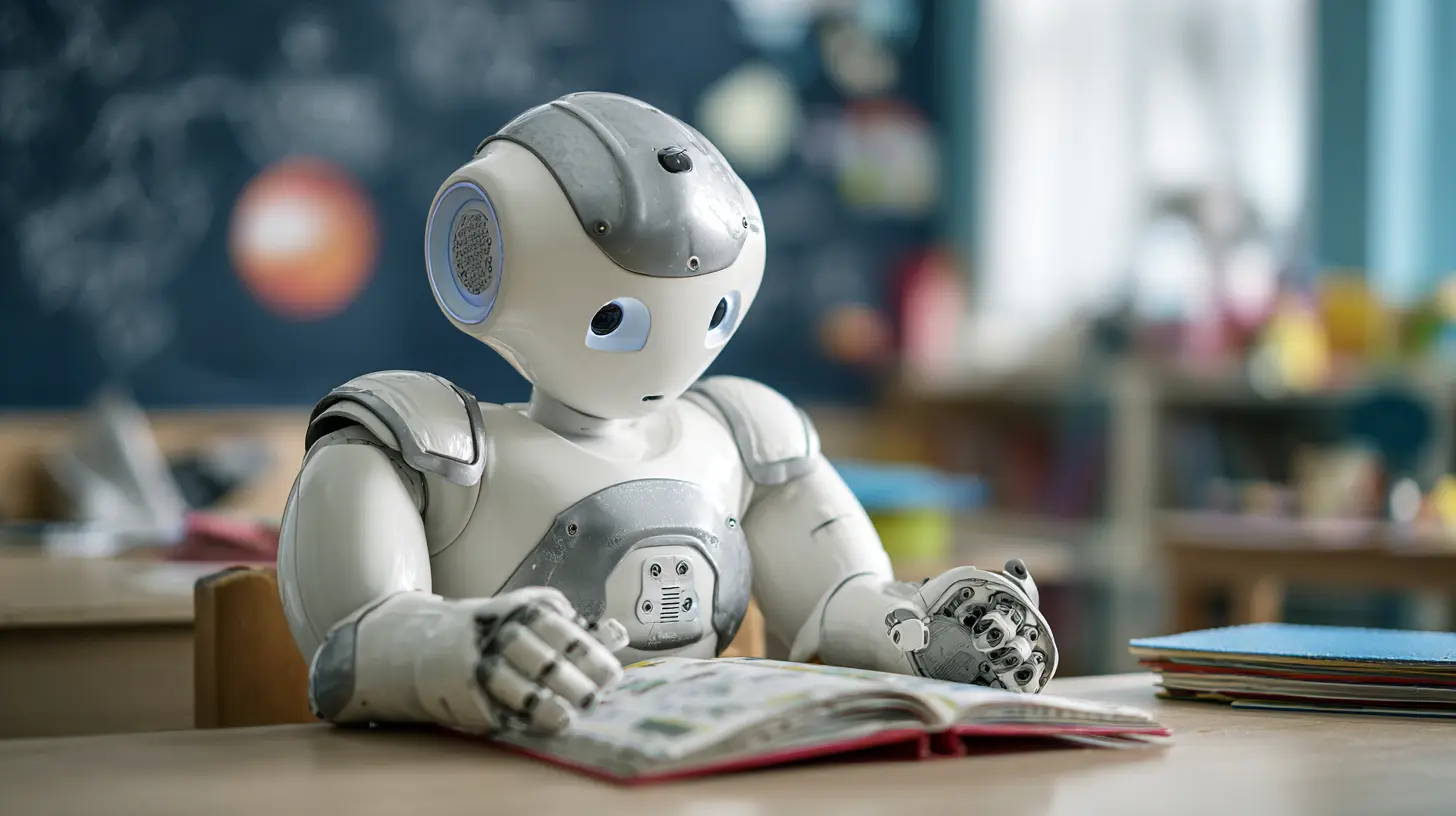
Social robots are where things get philosophically messy. These machines are designed to look and act like companions. They make eye contact, respond to tone of voice, and remember past conversations. For young children, especially those on the autism spectrum, social robots have shown real promise. They are predictable, patient, and non-judgmental. A child who struggles to read facial expressions can practice with a robot that never gets frustrated.There is a well-documented effect where children open up to robots in ways they do not with adults. A robot does not have a bad day. It does not sigh or roll its eyes. This makes it an excellent tool for practicing social scripts, learning emotional vocabulary, and building confidence in conversational turn-taking.
But here is the uncomfortable truth: the evidence for long-term academic gains from social robots is thin. Most studies show short-term engagement, not durable learning. Children are fascinated by the novelty, but that fascination fades. What happens after six months, when the robot is just another piece of classroom furniture? The answer is often that it ends up in a closet, charging in a corner, used once a week at best.
There is also the creepiness factor. Many adults find social robots unsettling, and some children do too. The uncanny valley is real. A robot that looks almost human but not quite can trigger discomfort, which is the opposite of what you want in a learning environment. Schools that deploy these robots need to prepare both students and parents for the experience. That means demo days, open conversations about what the robot can and cannot do, and clear guidelines for privacy.
The most important question to ask before buying a social robot is this: what specific skill or outcome are you trying to improve? If the answer is "engagement," that is not enough. Engagement is a means, not an end. If the answer is "social skills for a specific group of students," then you need a plan for measuring progress, not just enjoyment.
Functional Robots: Learning by Building
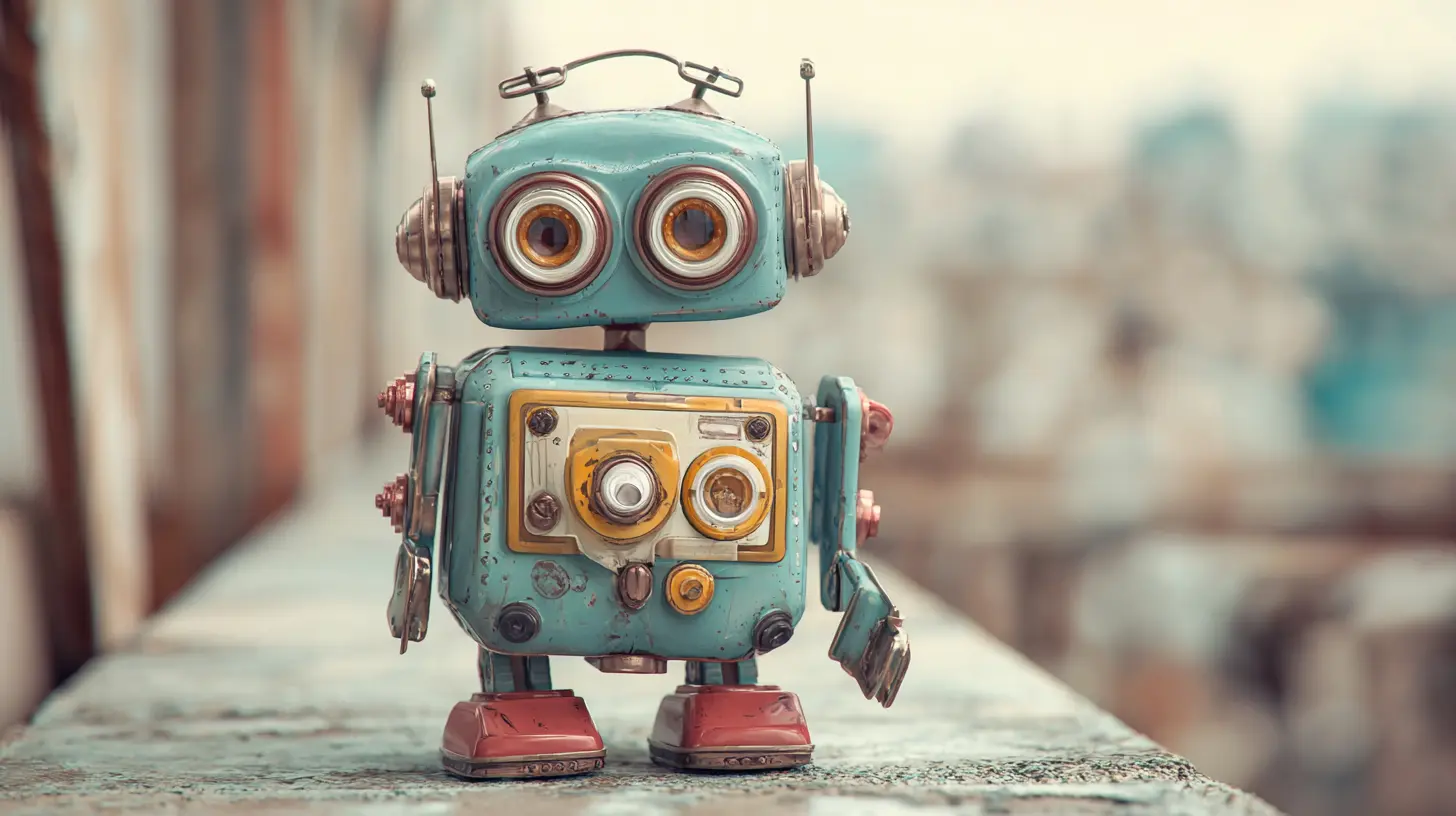
The most uncontroversial use of robots in schools is as a subject of study. When students build and program a robot, they are learning coding, mechanics, logic, and project management. This is hands-on learning at its best. It is also the area where robots have the longest track record, from FIRST Robotics competitions to classroom kits that have been around for decades.The value here is not the robot itself. It is the process. Students learn to break a complex problem into smaller parts. They learn to iterate, to test, to fail, and to fix. They learn that a small error in code can cause a physical failure, which is a lesson you cannot get from a screen. The robot provides immediate, tangible feedback. When your wheel does not turn, you know exactly what went wrong, and you can trace it back to your logic.
This is where robots truly shine. They turn abstract concepts into physical reality. A student can understand a loop in Python, but it is a different thing entirely to watch a robot trace a square because of that loop. The connection between code and action is visceral. It sticks.
However, functional robots have their own pitfalls. The first is cost and maintenance. Kits break. Parts get lost. Batteries die. Schools often underestimate the ongoing expense of keeping a robotics lab functional. The second is the gender gap. Robotics clubs and classes have historically been male-dominated. This is not a flaw of the robot, but it is a flaw of how schools implement these programs. Without intentional outreach to girls and underrepresented groups, robotics can reinforce existing inequalities.
The third issue is curriculum alignment. A robotics activity is only valuable if it connects to learning goals. Too often, schools buy robots because they are flashy, then struggle to integrate them into math or science standards. The result is a fragmented experience where students build cool stuff but do not actually learn the underlying concepts. A robot is not a curriculum. It is a tool. The teacher has to be the one who makes the connection explicit.
The Teacher's Changing Role
The most significant change robots bring to education is not to students. It is to teachers. When a robot enters the classroom, the teacher's job shifts from being the sole source of knowledge to being a facilitator of experiences. This is not new; good teachers have always done this. But robots accelerate the trend.Consider a language learning scenario. A social robot can drill vocabulary with students, giving them repeated practice without exhausting the teacher. The teacher then spends their time on higher-order tasks: explaining nuances, correcting pronunciation in context, and building cultural understanding. The robot handles the rote work. The teacher handles the human work.
This division of labor sounds efficient, but it requires a significant shift in teacher training. Most teachers are not trained to work with robots. They are trained to manage classrooms, design lessons, and assess learning. Adding a robot creates a new set of decisions. When should the robot be used? With which students? For how long? What happens when it malfunctions? These are not trivial questions. Without proper support, teachers will either ignore the robot or use it poorly.
Schools that succeed with robots invest heavily in professional development. They do not just hand a robot to a teacher and say "figure it out." They provide training, ongoing technical support, and time for teachers to collaborate on best practices. The robot is not a substitute for this support. It is a reason to provide it.
There is also a psychological aspect. Some teachers feel threatened by robots, worried that they are being evaluated or eventually replaced. The best way to counter this is transparency. Show teachers that the robot is there to reduce their workload, not to judge it. Let them have control over when and how the robot is used. If a teacher does not want the robot in their room, forcing it will only create resistance.
Misconceptions and Mistakes
Let me clear up some common misconceptions. First, robots do not personalize learning automatically. Many vendors claim their robots use artificial intelligence to adapt to each student. In reality, most are running simple branching logic. They give harder questions if you get answers right, easier ones if you get them wrong. That is not personalization. That is a quiz with a few paths.True personalization requires deep data about a student's learning style, prior knowledge, and emotional state. Most robots do not have this data, and if they do, it raises serious privacy concerns. Be skeptical of any product that claims to understand your child. It probably just means it has a good algorithm for predicting the next question, not that it knows why the student is struggling.
Another mistake is treating robots as a replacement for human interaction. Robots are not good at empathy. They can simulate it, but they do not feel it. A robot can say "I understand you are frustrated" but it does not actually understand. For some students, this simulation is enough. For others, it is hollow. You need to know your students well enough to know which group they fall into.
Finally, do not ignore the digital divide. Robots are expensive. They require reliable internet, regular maintenance, and technical support. Schools in wealthy districts will have them; schools in poor districts will not. This creates a new dimension of inequality. A student who learns to code with a robot has an advantage over one who only sees code on a screen. If we are serious about educational equity, we have to think about who gets access to these tools and who does not.
Practical Advice for Schools and Parents
If you are a school administrator considering robots, start small. Do not buy a fleet of expensive humanoids. Buy one or two telepresence units for students with medical needs. Buy a few functional kits for a pilot program in one grade level. Measure the results. Talk to teachers and students. Then decide whether to expand.If you are a parent, do not be swayed by marketing. A robot is not a magic solution. Ask the school specific questions. What will my child do with the robot? How often? What is the learning goal? How will you measure success? If the answers are vague, be wary.
Also, consider the maintenance plan. Who fixes the robot when it breaks? How long does it take? What is the warranty? These details matter more than the specifications. A robot that is broken for two months is worse than no robot at all.
For teachers, my advice is to embrace the robot as a tool, not a threat. Learn its strengths and weaknesses. Use it for what it is good at, which is repetition, patience, and physical demonstration. Use your own strengths for what robots cannot do, which is building relationships, providing emotional support, and inspiring curiosity. The best classrooms will be hybrid spaces where humans and machines each do what they do best.
The Future Is Not Robot-Led
Looking ahead, robots will become more capable. They will get better at natural language, better at recognizing student emotions, better at adapting to individual needs. But the core of education will remain human. Learning is not just information transfer. It is a social process. It is about trust, motivation, and belonging. Robots can support these things, but they cannot create them.The schools that will thrive are the ones that treat robots as what they are: powerful tools with specific uses. They will not try to make every class robot-led. They will not buy robots for the sake of having them. They will ask hard questions about value, equity, and outcomes. And they will remember that the goal is not to teach students how to use robots. The goal is to use robots to teach students how to think.
In the end, the robot is not the revolution. The revolution is the willingness to rethink what a classroom can be. The robot is just the excuse to do it.
all images in this post were generated using AI tools
Category:
Robotics TechnologyAuthor:

Gabriel Sullivan