How Fitness Trackers Can Help You Achieve Mindful Workouts
23 December 2025
Ever feel like you're just going through the motions during your workouts? You hit the gym, do your reps, run on the treadmill, but something feels off. It’s easy to get caught up in simply completing exercises rather than truly being present in your workouts. That’s where fitness trackers come in—not just as fancy step counters, but as powerful tools to help you engage in mindful workouts.
These little wearable devices do more than measure steps and calories burned. They help you stay in tune with your body, recognize patterns, and build better fitness habits. But how exactly do they help with mindfulness during workouts? Let’s break it down.

What is a Mindful Workout?
Before we dive into how fitness trackers play a role, let’s talk about what a mindful workout actually is. Mindful exercise is all about being present in the moment—fully aware of your body, breathing, and movements. It’s about quality over quantity, listening to your body's needs, and avoiding distractions.Instead of just blasting through a set of burpees, you focus on your form, breathing rhythm, and muscle engagement. It's the difference between mindlessly lifting weights and truly feeling each rep, understanding how your muscles respond, and recognizing when you need rest.
Mindful workouts improve performance, reduce the risk of injury, and enhance your overall well-being. But staying present isn’t always easy—especially in today’s fast-paced world. That’s where fitness trackers step in as an unexpected but valuable mindfulness coach.

How Fitness Trackers Enhance Mindful Workouts
1. Tracking Your Heart Rate for Awareness
One of the most useful features of fitness trackers is heart rate monitoring. Your heart rate is a key indicator of workout intensity and how your body is responding to exercise.Imagine you’re running—your fitness tracker shows your heart rate zones. If you're pushing too hard, your tracker alerts you to slow down, preventing burnout. If you're not pushing hard enough, it encourages you to increase intensity.
This creates awareness—you're no longer just running; you’re consciously adjusting your intensity to align with your fitness goals. That’s mindfulness in action.
2. Encouraging Proper Breathing Techniques
Many fitness trackers now come with guided breathing exercises. If you tend to hold your breath during workouts or struggle with pacing your breaths, these features can help.Proper breathing improves oxygen flow, enhances endurance, and keeps you relaxed. For example, during yoga or strength training, your device can remind you to inhale deeply and exhale slowly, ensuring you’re in sync with your movements.
3. Providing Real-Time Feedback
It’s easy to get distracted while working out—checking your phone, zoning out, or simply doing exercises incorrectly. Fitness trackers provide real-time feedback on form, effort, and consistency.If you’re slouching while lifting weights or underperforming on your runs, some advanced trackers can detect these inefficiencies, helping you correct them immediately. This keeps you engaged, ensuring you’re fully present during your session.
4. Setting Personalized Goals to Stay Focused
Ever feel like you’re just aimlessly exercising without a clear goal? That’s a common problem, and it leads to lackluster results. Fitness trackers help you set specific, achievable goals based on your fitness level, whether it’s:- Hitting 10,000 steps a day
- Running a certain distance within a set pace
- Burning a precise number of calories
- Completing a set duration of high-intensity workouts
By having clear targets, you’re more likely to stay engaged and mindful during your sessions, rather than just working out for the sake of it.
5. Monitoring Sleep for Better Recovery
You can’t have mindful workouts without proper recovery. Many fitness trackers monitor sleep patterns, helping you understand how well (or poorly) you're recovering each night.Sleep affects your athletic performance, endurance, and focus. If your tracker shows you’re not getting enough deep sleep, you may need to adjust your bedtime habits. A well-rested body leads to better concentration during workouts, allowing you to be truly present in movements rather than feeling sluggish.
6. Encouraging Movement Throughout the Day
Being mindful about fitness isn’t just about your workout sessions—it’s about staying active throughout the day. Fitness trackers help by reminding you to move if you’ve been sitting for too long.These small nudges might seem trivial, but they play a significant role in developing overall body awareness. Little habits like standing up frequently, stretching, or walking a bit during breaks contribute to a more mindful and active lifestyle.
7. Reducing Overtraining with Recovery Insights
Sometimes we push ourselves too hard, thinking that more exercise equals better results. But overtraining can lead to injury, fatigue, and burnout.Fitness trackers help prevent this by providing recovery insights. They analyze factors like heart rate variability (HRV), stress levels, and rest periods. If your tracker suggests a lighter workout day, it’s a sign to listen to your body rather than forcing yourself through an intense session.
This fosters mindfulness by teaching you that rest is just as important as effort.
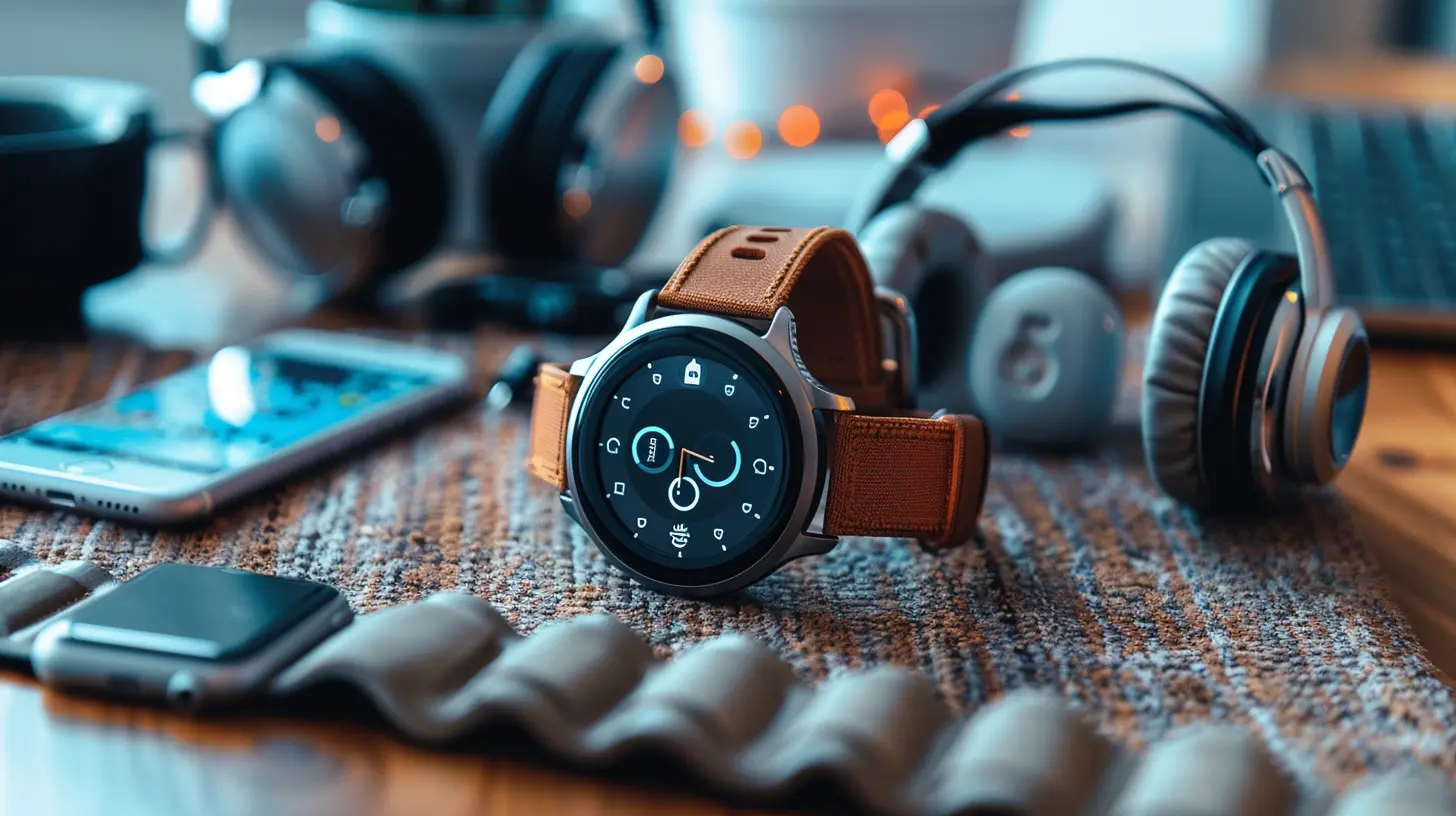
Overcoming Potential Downsides of Fitness Trackers
While fitness trackers are fantastic tools, they aren’t perfect. Here are some common pitfalls and how to avoid them:1. Obsessing Over Numbers
It’s easy to become too focused on hitting specific numbers—steps, calories, heart rate zones—to the point where it overshadows the actual workout. Remember, fitness isn’t just about data—it’s about how you feel.Solution? Use the numbers as guides, but prioritize how your body feels during workouts rather than forcing stats to fit a narrative.
2. Relying Solely on the Tracker
No device can replace self-awareness. A fitness tracker is a tool, not a crutch. Don’t let the numbers dictate your workouts to the point where you ignore natural body signals.Solution? Use the tracker as a supplement, not a decision-maker. Check in with yourself—do you feel tired? Sore? Energized? Let your body have a say.
3. Comparing Yourself to Others
If you're connected to friends on fitness apps, it’s tempting to compare stats. But everyone has different fitness journeys.Solution? Focus on your own progress. Fitness is personal, and growth happens at different rates for different people.

Final Thoughts
Fitness trackers are more than just gadgets—they’re accountability partners that can help you achieve mindful workouts. By tracking heart rate, encouraging proper breathing, setting goals, monitoring recovery, and providing real-time feedback, they can guide you toward a more present and intentional exercise routine.But remember, they’re just tools. True mindfulness comes from within—listening to your body, being aware of your movements, and finding joy in the process.
So, the next time you strap on your fitness tracker, don’t just use it for numbers. Use it as a reminder to stay present, engage with each movement, and truly enjoy the journey toward better health.
all images in this post were generated using AI tools
Category:
Fitness TrackersAuthor:

Gabriel Sullivan
Discussion
rate this article
2 comments
Casey Bennett
Integrating data enhances mindfulness and workout effectiveness.
February 15, 2026 at 1:41 PM
Gabriel Sullivan
Absolutely! Integrating data allows you to stay focused and make informed decisions, leading to more effective and mindful workouts.
Jaxon Bowers
Fitness trackers: the only thing that can judge your couch potato ambition and keep your workout goals on track! They’re like a personal trainer, but less likely to judge you for binge-watching that new series instead of hitting the gym!
December 24, 2025 at 3:21 AM
Gabriel Sullivan
Absolutely! Fitness trackers provide the motivation and accountability we need to stay on track with our goals, all while being non-judgmental companions on our wellness journey.