How AI is Shaping the Future of Autonomous Vehicles
24 May 2026
If you’ve ever imagined a future where cars glide through city streets without human drivers, you're not alone. That vision is becoming more of a reality every day, and guess what’s powering it? Yup—Artificial Intelligence (AI). It’s the behind-the-scenes wizard transforming vehicles into smart, self-driving machines.
But how exactly is AI reshaping the landscape of transportation? Let’s hit the road and break it down.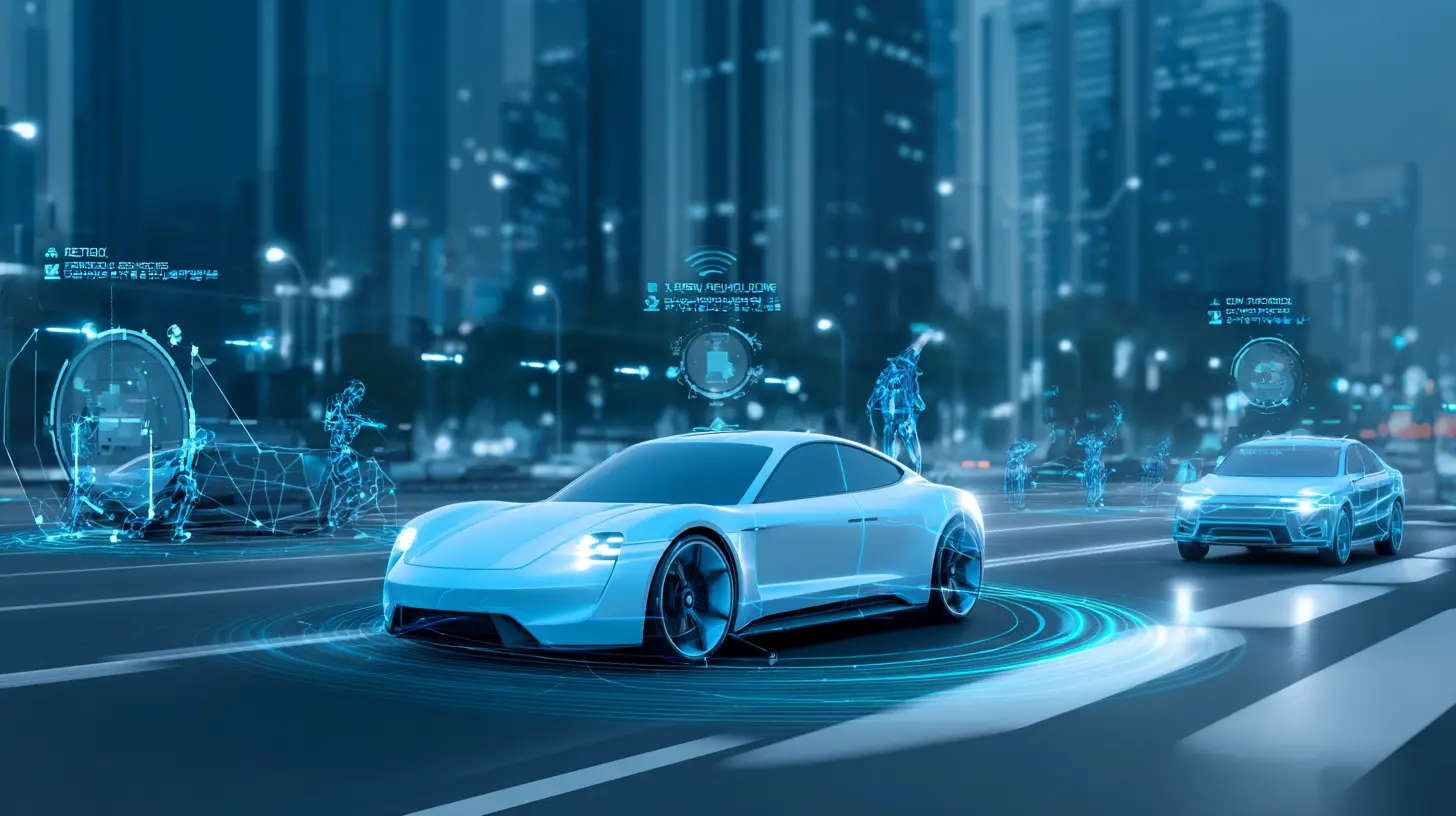
? What Are Autonomous Vehicles, Anyway?
Before we dive deep, let’s clear one thing up—what exactly are autonomous vehicles?Autonomous vehicles, or self-driving cars, are vehicles that use sensors, cameras, radar, and AI algorithms to travel from one point to another without human intervention. Think of them as robots on wheels. They can sense their environment, make driving decisions, and carry you to your destination—all without a driver holding the wheel.
There are different levels of autonomy, ranging from Level 1 (basic automation like cruise control) to Level 5 (fully autonomous with zero human input). And as tech evolves, we’re inching closer to Level 5 every day.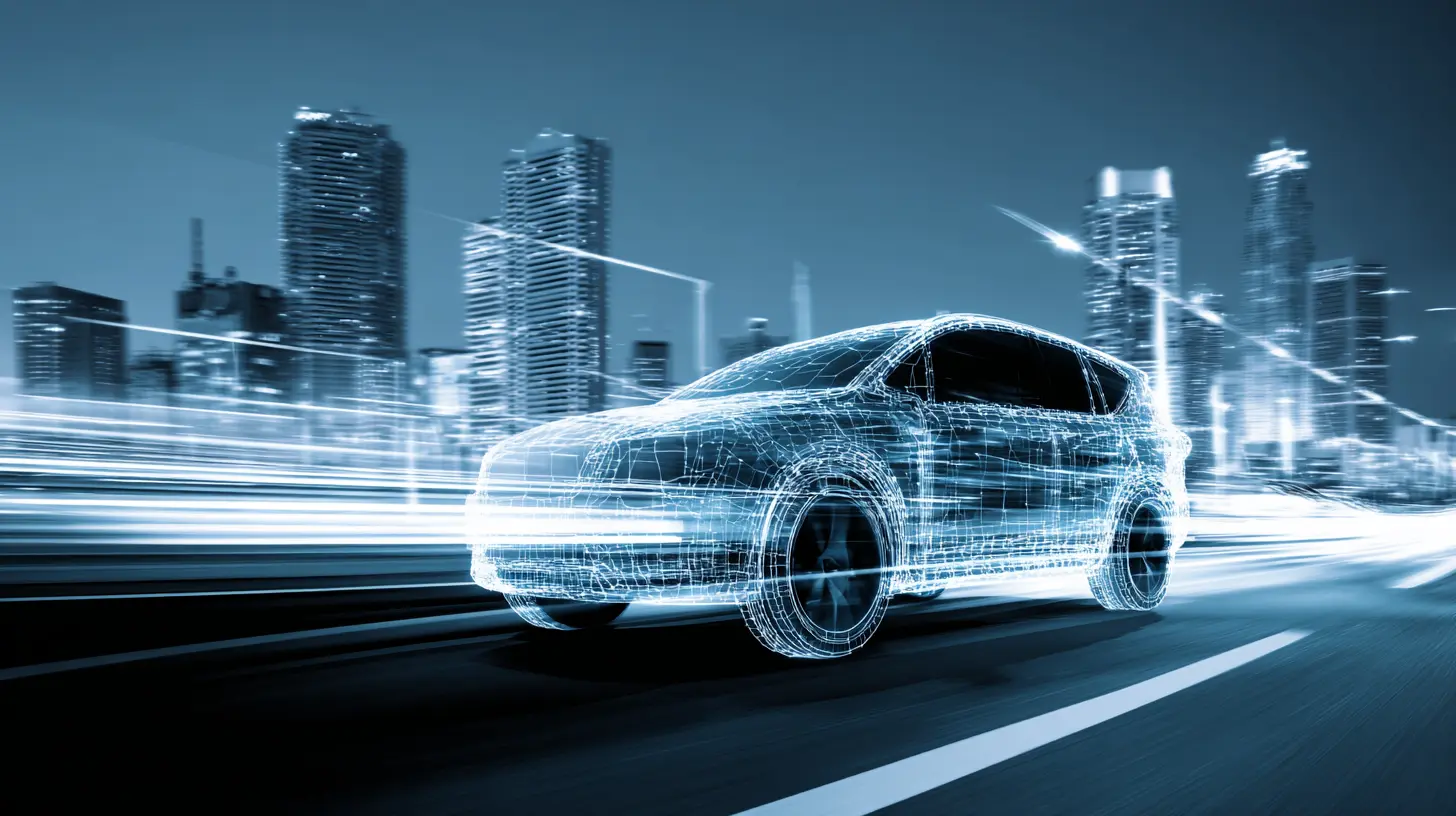
? AI: The Brain Behind the Wheel
If the autonomous vehicle were a body, AI would be its brain. It helps the car "think" as it navigates traffic, interprets data, and makes split-second decisions.1. Machine Learning
At the core of AI in self-driving cars is machine learning. This is where vehicles learn from tons of data—miles driven, traffic patterns, human behaviors, and more. It’s kind of like how we humans learn from experience. The more data it has, the smarter it gets.For example, if a car encounters a construction zone once, it records that scenario. The next time it sees a similar situation, it knows how to react. That’s learning in action.
2. Computer Vision
Ever wonder how a car sees without eyes? That’s where computer vision comes in. AI uses cameras and image processing algorithms to recognize objects: other cars, pedestrians, traffic signs, lane markings—you name it.Think of it like giving the car its own set of eyes… only better, because it can look everywhere at once. It processes visual data faster than humans and doesn't get distracted by phone notifications.
3. Natural Language Processing (NLP)
While less talked about, NLP is gaining ground in autonomous vehicles. It's what helps your car understand voice commands like “Take me to the nearest gas station" or "Call Mom." Eventually, cars will even be able to hold basic conversations, improving your in-car experience.4. Sensor Fusion
AI also merges data from multiple sensors—LIDAR, radar, GPS, cameras—to get a 360-degree understanding of its surroundings. It's like having a sixth sense. Where one sensor might fail or get blocked (say, in foggy weather), the others pick up the slack.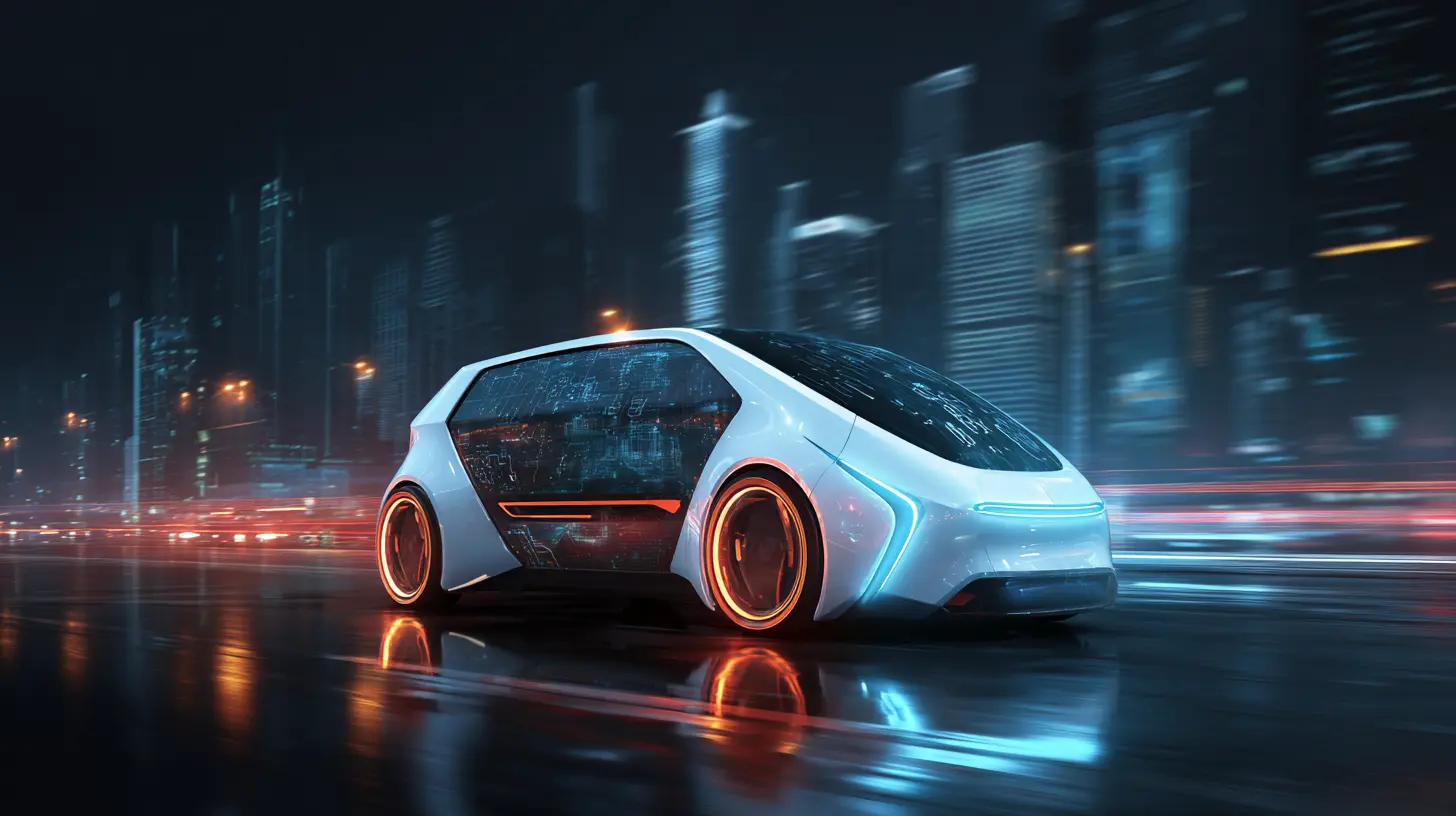
?️ Real-World Applications of AI in Self-Driving Cars
Let’s shift gears and see how all this AI tech works in the real world.1. Navigation and Path Planning
AI helps autonomous vehicles figure out the best route from point A to B while avoiding traffic, roadblocks, and even potholes. It’s like having a Google Maps that not only suggests the best route—but also drives for you.2. Object Detection and Avoidance
Have you ever swerve to avoid a squirrel? AI-powered vision systems do that, too—only faster and usually better. Self-driving cars can detect moving objects and calculate the safest maneuver in milliseconds.3. Traffic Management
AI doesn’t just help individual vehicles—it can revolutionize entire traffic systems. Imagine cities where autonomous cars “talk” to each other and to traffic lights to reduce congestion. That’s the dream, and AI is steering us toward it.4. Energy Efficiency
AI is also good for your wallet and the planet. Smart route planning and efficient driving reduce fuel usage in gas-powered cars and optimize battery life in EVs (Electric Vehicles). It’s like having an eco-conscious chauffeur.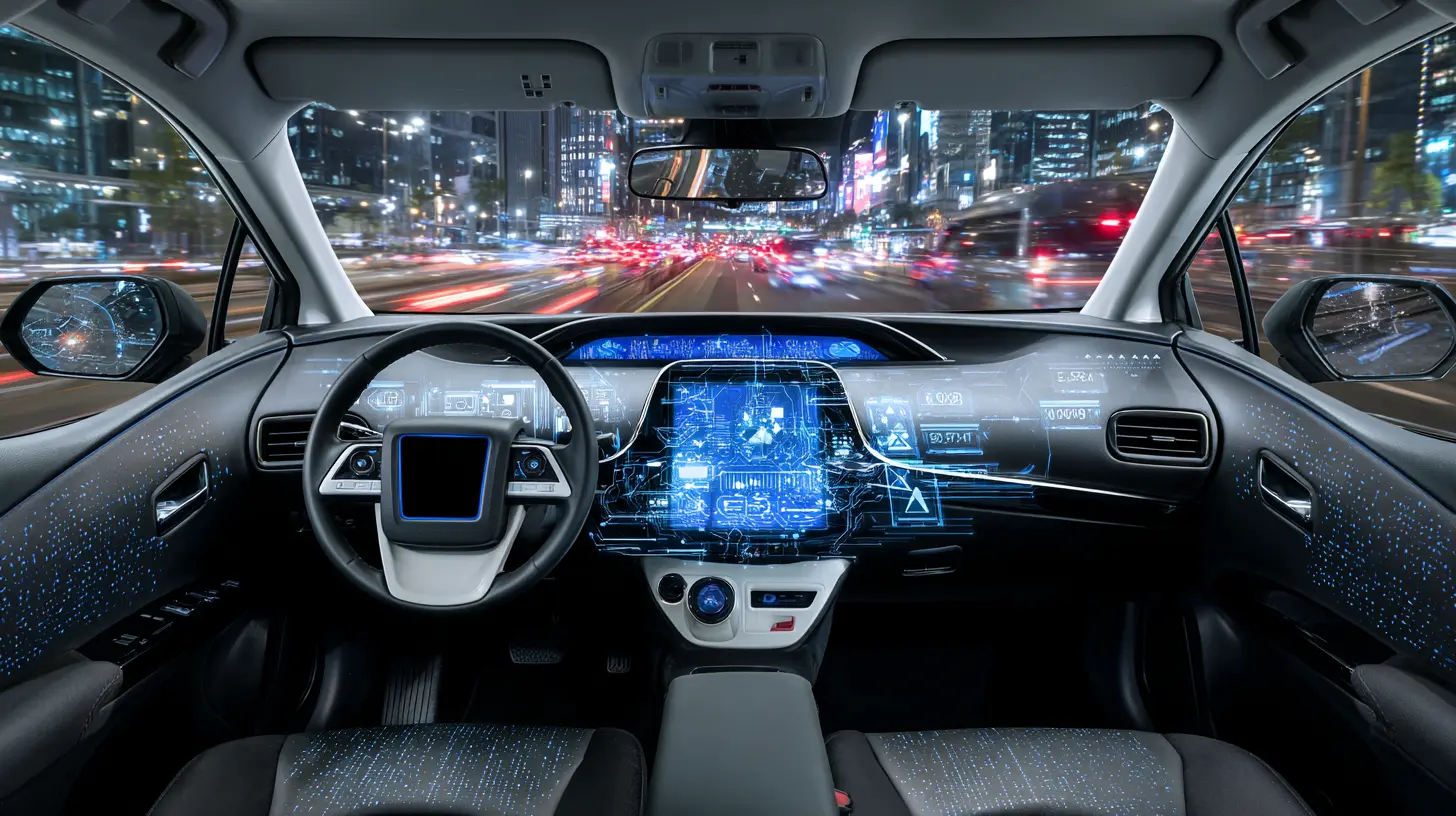
?The Benefits AI Brings to the Table
Alright, so what makes AI-powered autonomous driving such a big deal? Here’s why the hype is real.1. Fewer Accidents
Let’s face it—humans aren’t perfect drivers. We get distracted, tired, or sometimes just plain reckless. AI doesn’t text while driving, never drinks, and doesn’t get road rage. That alone could save thousands of lives every year.2. Better Traffic Flow
Smart cars that communicate with each other don’t need to slam on the brakes or cause pile-ups. They move more like synchronized swimmers—smooth, coordinated, efficient.3. Accessibility for All
Imagine seniors, visually impaired individuals, or people with mobility challenges being able to travel independently. AI-driven cars could offer newfound freedom for millions who currently rely on others.4. Time-Saving
What if your daily commute became productive time? You could read, work, rest—and let your AI driver handle the road. It’s a commuter’s dream come true.? Challenges in AI-Driven Autonomy (Yep, There Are Some)
While the journey looks promising, it isn’t all smooth sailing. There are still some bumps on the road.1. Complex Urban Environments
Busy downtown areas packed with pedestrians, cyclists, and unpredictable drivers can be a nightmare, even for AI. Navigating these environments safely is a work-in-progress.2. Weather Conditions
Heavy rain or snow can mess with sensors and cameras, making it tough for AI to “see” and make decisions. Developers are working on it, but Mother Nature still has the upper hand sometimes.3. Ethical Dilemmas
What should a car do in a no-win situation where a crash is unavoidable? Choose the lesser evil? These moral decisions are still hotly debated in tech and ethics circles.4. Legal and Regulatory Hurdles
Governments are still trying to figure out how to regulate fleets of driverless cars. Questions around liability, insurance, and data privacy need solid answers before we go full speed ahead.? AI Success Stories in the Auto World
Let’s take a pit stop and check out who’s already cruising ahead.Tesla
No surprises here. Tesla's Autopilot and Full Self-Driving (FSD) systems use AI to handle lane-keeping, highway navigation, and automatic parking. The system keeps learning through data collected from millions of miles driven by Tesla owners.Waymo
Alphabet’s Waymo is another big player. Their self-driving minivans and taxis have logged millions of miles. They rely heavily on AI for decision-making and have even started commercial ride-hailing services in some U.S. cities.NVIDIA
Once just a gaming GPU company, NVIDIA now powers the brains behind many autonomous vehicles. Their DRIVE platform supports AI training, simulation, and real-time decision-making in cars.? What’s Next for AI and Autonomous Vehicles?
It’s safe to say—we’re still in the early chapters of this story.In the coming years, AI is expected to:
- Enable more Level 4 and Level 5 vehicles to hit the roads
- Improve safety and compliance with real-time updates from the cloud
- Revolutionize logistics with driverless delivery trucks and drones
- Transform public transport with AI-guided buses and shuttles
Pretty wild, right?
Additionally, AI will become more human-like in its reactions. We're talking emotional intelligence, adaptive learning, and even personalized driving styles. Picture your car adjusting itself based on your mood or urgency—cool and kind of creepy, right?
? Final Thoughts
So, how is AI shaping the future of autonomous vehicles? In every way imaginable.From powering brain-like decision systems to helping cars see, hear, and react to our constantly changing world—AI is the real MVP behind the self-driving revolution. Sure, we’ve got a few speed bumps to navigate, but the road ahead is looking more autonomous and intelligent by the day.
Will we ever live in a world where manual driving becomes a thing of the past? Maybe. One thing’s for sure—AI is in the driver's seat now, and it’s taking us for one heck of an exciting ride.
all images in this post were generated using AI tools
Category:
Tech NewsAuthor:

Gabriel Sullivan
Discussion
rate this article
1 comments
Nora McCartney
AI is revolutionizing autonomous vehicles, making them smarter and safer. Exciting developments are on the horizon for everyday driving.
May 24, 2026 at 12:12 PM