Fitness Trackers for Kids: Encouraging Activity at a Young Age
22 December 2025
Staying active is crucial for everyone, but when it comes to kids, it's even more important. In today’s digital world, children are spending more time glued to screens than ever before. Whether it’s cartoons, video games, or social media, physical activity often takes a backseat.
That’s where fitness trackers come in. These tiny wrist gadgets do more than just count steps—they motivate, educate, and inspire kids to stay active while making fitness fun. But with so many options out there, are they really worth it? Let’s take a deeper dive into the world of fitness trackers for kids.
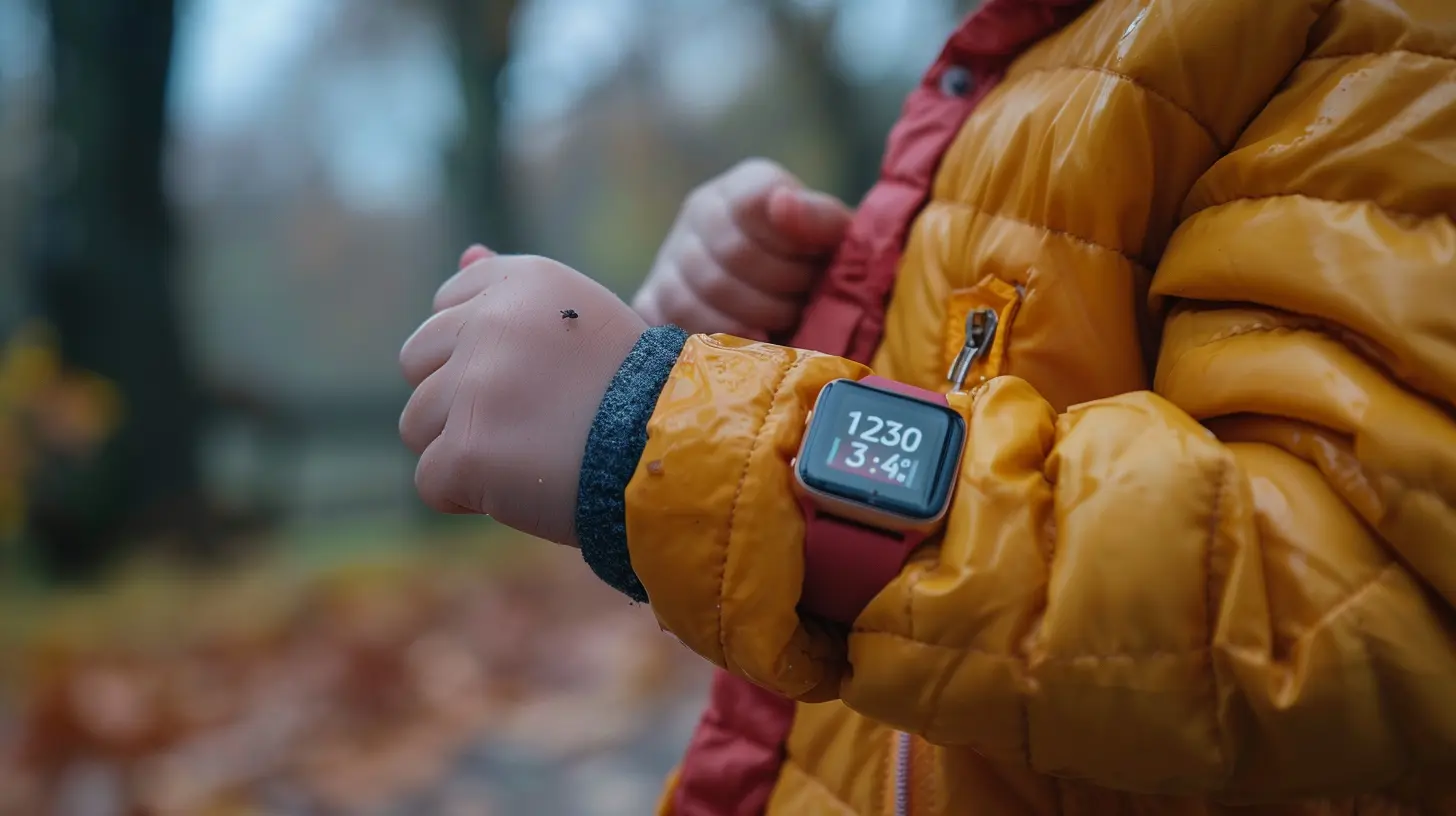
Why Childhood Activity Matters
Physical activity during childhood sets the foundation for a lifetime of good health. According to the CDC, kids aged 6-17 should get at least 60 minutes of moderate-to-vigorous physical activity daily. Sadly, most kids today fall short.Lack of physical activity can lead to issues like:
- Childhood obesity – A growing concern worldwide
- Poor mental health – Physical activity reduces anxiety and depression
- Weaker muscles and bones – Essential for developing strength and endurance
- Lack of focus and energy – Exercise improves cognitive function and attention
So, the question is—how do we keep kids moving in an age dominated by screens? That’s where fitness trackers can play a big role.
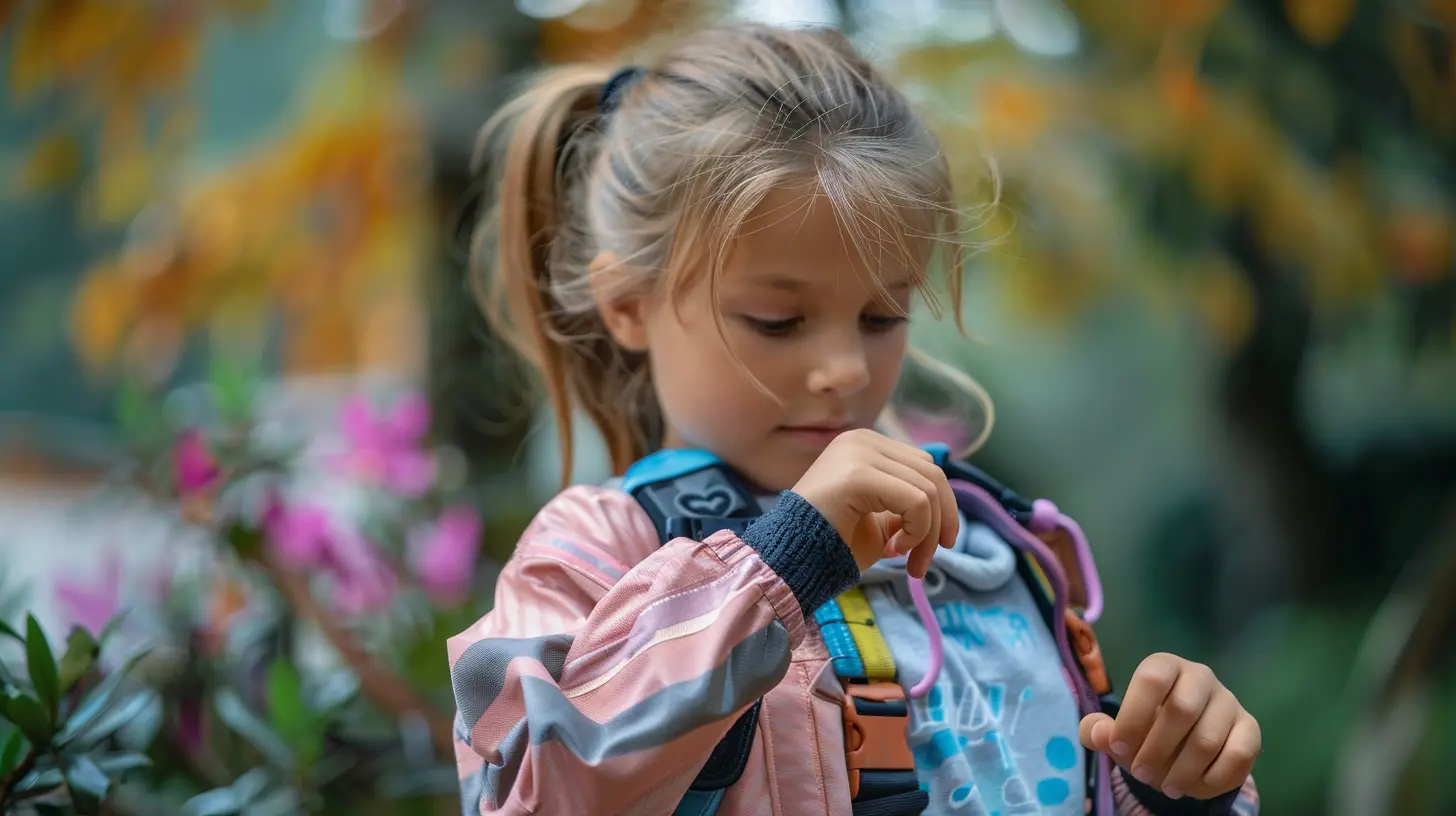
How Fitness Trackers Encourage Kids to Stay Active
A fitness tracker isn't just a step counter; it's a motivational tool designed to make movement exciting. Here’s how these devices help kids develop healthier habits:1. Gamifying Physical Activity
Kids love games, and many fitness trackers turn exercise into a game. Some feature virtual rewards, badges, or challenges that encourage children to move more. For example, some trackers offer daily step goals, unlocking new achievements when completed. It’s like turning movement into a fun scavenger hunt!2. Friendly Competition
Many fitness trackers allow kids to compete with friends or family members. Whether it's a step challenge or a dance-off, a little competition can be the perfect motivator. They may not realize it, but they’re getting exercise while having fun.3. Building Healthy Habits Early
The earlier kids develop good habits, the more likely they’ll stick with them into adulthood. Fitness trackers can introduce concepts like goal-setting, consistency, and staying active—helping children establish long-term wellness practices.4. Reducing Screen Time
Ironically, technology can help reduce screen time. Some fitness trackers include reminders to move when kids have been inactive for too long. Instead of spending the whole afternoon on a tablet, kids get a nudge to get up and move.5. Encouraging Outdoor Play
Many trackers come with features that track outdoor activities like biking, running, or sports. Kids become more curious about their movement, leading them to explore outdoor activities instead of staying indoors.
What to Look for in a Child-Friendly Fitness Tracker
When picking a fitness tracker for your child, you want something that fits their needs without overwhelming them. Here are key factors to consider:1. Durability & Design
Kids can be rough on their belongings, so a sturdy and waterproof tracker is a must. Look for trackers with strong straps and water-resistant features to handle everyday wear and tear.2. Ease of Use
A complicated gadget can be frustrating for a child. Opt for a simple interface with easy-to-read displays and large buttons so kids can navigate it without trouble.3. Fun & Engaging Features
Does the tracker offer rewards, challenges, or interactive elements? Kids are more likely to engage with a device that makes movement fun rather than one that simply counts steps.4. Battery Life
No one wants to charge a tracker every single day. A battery that lasts at least 5-7 days without needing a recharge can save you (and your child) from frustration.5. Parental Control & Safety Features
Some fitness trackers allow parents to monitor activity and set step reminders. Others have GPS tracking to keep an eye on where kids are—important for safety-conscious parents.
Best Fitness Trackers for Kids in 2024
Now that we know what makes a great tracker, let’s look at some of the best options available today.1. Fitbit Ace 3
⭐ Best for overall performance- Tracks steps, sleep, and active minutes
- Fun animated clock faces
- Waterproof and durable
- Battery life lasts up to 8 days
2. Garmin Vivofit Jr. 3
⭐ Best for interactive features- Includes adventure challenges
- No need to charge (1-year battery life)
- Parent-controlled features
- Customizable themes (Marvel, Disney, etc.)
3. PROGRACE Kids Smartwatch
⭐ Best budget-friendly option- Built-in camera, games, and music player
- Step counter and calorie tracker
- Fun and colorful design
4. Xplora X5 Play
⭐ Best for safety-conscious parents- GPS tracking & call functionality
- Step tracking with reward systems
- IP68 water-resistant
Are Kids' Fitness Trackers Worth It?
Absolutely! A fitness tracker can be a great way to encourage movement without forcing exercise on kids. They get to be active in a way that feels natural and enjoyable.However, it’s important to keep expectations realistic. A tracker itself won’t guarantee that a child becomes more active. Parental involvement is key—whether it's setting up challenges, going on walks together, or simply celebrating their achievements.
Tips to Make the Most of Your Kid’s Fitness Tracker
Want to make sure your child gets the most out of their tracker? Here are some tips:✅ Lead by example – If they see you wearing a tracker, they’ll be more likely to use theirs.
✅ Set fun challenges – Try family step contests or weekend adventure goals.
✅ Encourage outdoor activities – Use the tracker as a reason to visit the park, go biking, or play sports.
✅ Celebrate achievements – Give small rewards for achieving milestones to keep motivation high.
✅ Balance screen time – While fitness trackers can be engaging, ensure they don’t replace free play and creativity.
Final Thoughts
In a world where kids are becoming less active, fitness trackers offer a smart, fun solution to get them moving. They build healthy habits, make exercise exciting, and encourage kids to stay active without feeling like a chore.While they’re not a magic fix, they can certainly help parents guide their children toward a healthier lifestyle. At the end of the day, movement should be fun—and with the right tracker, it can be!
all images in this post were generated using AI tools
Category:
Fitness TrackersAuthor:

Gabriel Sullivan
Discussion
rate this article
2 comments
Veronica Franklin
How do these trackers influence kids' long-term activity levels?
February 8, 2026 at 11:52 AM
Gabriel Sullivan
Fitness trackers can motivate kids by making activity fun and providing instant feedback. This encouragement can foster lifelong habits, helping them stay active as they grow.
Rachael Moses
Sure, fitness trackers for kids are cute, but let’s be real: they’re just electronic babysitters with step counters. How about we kick off the screens and inspire some good old-fashioned outdoor play instead? Now, that’s a tracker worth wearing!
December 24, 2025 at 1:09 PM
Gabriel Sullivan
I appreciate your perspective! While fitness trackers can promote activity, I agree that fostering a love for outdoor play is essential. Balancing tech and nature can lead to healthier habits.