Fitness Trackers for CrossFit: Measuring Performance and Recovery
1 January 2026
CrossFit is intense. It’s a mix of strength training, endurance work, and high-intensity workouts that push your body to the limit. If you're serious about CrossFit, tracking your progress is a game-changer. That’s where fitness trackers come in. These little wrist gadgets can provide real-time data on your heart rate, recovery, calorie burn, and more.
But are they really useful for CrossFit? And if so, which ones work best? Let's break it down.

Why Fitness Trackers Matter for CrossFit
CrossFit isn’t your typical gym workout. It’s fast-paced, varied, and demands both strength and endurance. Unlike a simple step counter, a good fitness tracker can help you understand how your body reacts to these workouts.1. Tracking Heart Rate and Intensity
CrossFit workouts, or WODs (Workouts of the Day), push your heart rate to the max. A fitness tracker with accurate heart rate monitoring helps you gauge workout intensity and ensure you're training in the right zone.For example:
- Zone 2 (60-70% of max heart rate) – Ideal for steady-state cardio and active recovery.
- Zone 4-5 (80-90% of max heart rate) – Where most CrossFit WODs land, pushing your cardiovascular capacity.
With heart rate tracking, you can avoid overtraining and make sure you're hitting the right intensity levels during your workouts.
2. Measuring Recovery and Readiness
CrossFit isn’t just about how hard you work—it’s also about how well you recover. If you don’t give your body enough time to repair, you risk overtraining and injury.Some advanced fitness trackers now include HRV (Heart Rate Variability) tracking. HRV measures the small changes in time between heartbeats, which can indicate fatigue levels. Lower HRV? Your body might need more rest. Higher HRV? You’re primed and ready to crush your next WOD.
3. Counting Calories and Energy Output
CrossFit burns a ton of calories, but it's hard to know exactly how many. A fitness tracker estimates calorie burn based on heart rate, movement, and personal data (such as age, weight, and gender).Why does this matter?
- If you're trying to lose fat, knowing your calorie burn helps with diet planning.
- If you're aiming to gain muscle, tracking energy expenditure ensures you're eating enough to support growth and recovery.
4. Monitoring Sleep for Better Performance
Recovery doesn’t just happen in the gym—it happens while you sleep. Many fitness trackers monitor sleep quality, giving insights into deep sleep, REM cycles, and overall rest. Poor sleep? Expect sluggish performance in your next WOD.5. Tracking Strength and Conditioning Progress
While most fitness trackers focus on cardio metrics, some now offer rep counting and strength training tracking. These features can be useful for CrossFit athletes who want to monitor lifting progress and endurance performance over time.
Features to Look for in a Fitness Tracker for CrossFit
Not all fitness trackers are built the same. If you’re into CrossFit, here are the key features you should look for:1. Real-Time Heart Rate Monitoring
A tracker without accurate heart rate monitoring is pretty much useless for CrossFit. Look for one with an optical heart rate sensor or even better—one that connects with a chest strap for more precision.2. HRV and Recovery Insights
Understanding when to push and when to rest can take your performance to the next level. Devices like the WHOOP strap and Garmin watches excel in HRV tracking.3. Durability and Comfort
CrossFit is brutal on gear. You’ll be lifting, jumping, sweating, and slamming weights around. A good tracker should be durable, sweat-resistant, and comfortable enough to wear during tough WODs.4. Workout Tracking and Customization
Some trackers allow you to create custom workouts, track specific CrossFit movements, and analyze past performance. Features like GPS, rep counting, and movement recognition can be a big plus.5. Battery Life
You don’t want to charge your fitness tracker every night. A good CrossFit-friendly fitness tracker should last at least 3-5 days on a single charge.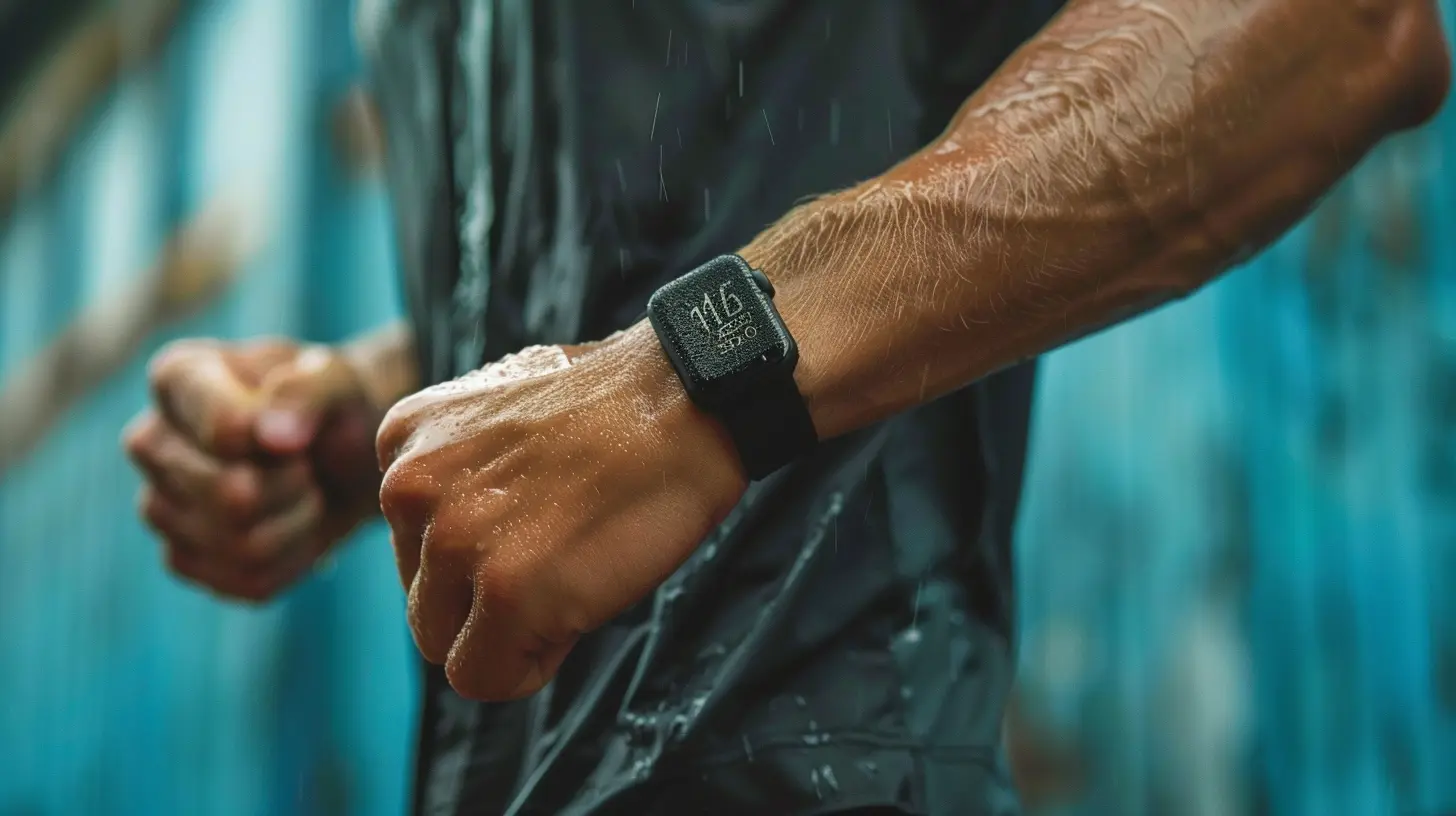
Best Fitness Trackers for CrossFit
Now that we know what to look for, let's check out some of the best fitness trackers for CrossFit athletes.1. WHOOP Strap 4.0
- Pros: Focuses entirely on recovery and performance, tracks HRV, no distractions (no screen).- Cons: Requires a subscription, no built-in screen for real-time feedback.
WHOOP is a top choice for serious CrossFit athletes. It tracks strain, recovery, and sleep to optimize performance. No step counting, no notifications—just deep fitness insights.
2. Garmin Forerunner 955
- Pros: Advanced recovery metrics, GPS, HRV tracking, rugged build.- Cons: Pricier than other options.
Garmin is known for its accuracy, and the Forerunner 955 delivers. It includes VO2 max tracking, sleep analysis, and even body battery monitoring to gauge energy levels throughout the day.
3. Apple Watch Ultra
- Pros: Accurate heart rate tracking, tons of fitness apps, rugged build.- Cons: Battery life could be better.
If you love Apple products, the Apple Watch Ultra is a solid CrossFit option. It provides great fitness tracking with powerful third-party apps like WOD Insight and CrossFit Games App.
4. Polar Vantage V2
- Pros: Great HR accuracy, built for athletes, solid battery life.- Cons: Less app integration compared to Apple/Garmin.
Polar devices are known for their precise heart rate tracking, making them a great choice for CrossFit enthusiasts focused on performance data.
5. Fitbit Charge 5
- Pros: Affordable, decent HR tracking, built-in GPS.- Cons: Less durability compared to Garmin or WHOOP.
If you're looking for a budget-friendly option, Fitbit Charge 5 is a solid entry-level choice. It offers HRV tracking, sleep monitoring, and built-in GPS for tracking outdoor workouts.

Is a Fitness Tracker Necessary for CrossFit?
Not necessarily. You can still crush workouts and get fitter without one. But if you want to train smarter, track recovery, and measure long-term progress, a tracker can be a valuable tool.Think of it like having a coach that’s constantly giving you feedback. It won’t lift the weights for you, but it’ll help you understand when to push harder and when to scale back.
Final Thoughts
Not all fitness trackers are ideal for CrossFit. Some are great for running but lack durability, while others focus on step counting rather than high-intensity training. The best fitness tracker is the one that fits your training style, goals, and budget.If you’re serious about performance tracking, recovery, and heart rate accuracy, consider a WHOOP, Garmin, or Polar device. If you just want a solid all-around fitness tracker with smart features, an Apple Watch or Fitbit could be a good fit.
At the end of the day, CrossFit is all about pushing your limits. A good fitness tracker won’t do the work for you—but it’ll make sure you're training as efficiently as possible.
all images in this post were generated using AI tools
Category:
Fitness TrackersAuthor:

Gabriel Sullivan
Discussion
rate this article
2 comments
Kalani Rhodes
Fitness trackers can significantly enhance your CrossFit experience by providing real-time data on heart rate, calories burned, and recovery time, helping you optimize workouts and monitor progress effectively.
February 21, 2026 at 4:48 AM
Gabriel Sullivan
Absolutely! Fitness trackers are invaluable tools for CrossFit enthusiasts, offering essential insights that enhance workout efficiency and recovery.
Nym Coffey
Great article! Fitness trackers are game changers for CrossFit athletes. It's inspiring to see how technology enhances performance and aids recovery, helping us push our limits safely. Thank you!
January 7, 2026 at 3:23 AM
Gabriel Sullivan
Thank you for your kind words! I'm glad you found the article helpful. Fitness trackers truly are revolutionizing how CrossFit athletes approach performance and recovery!