Augmented Reality in Museums: How Technology is Transforming Exhibitions
26 March 2026
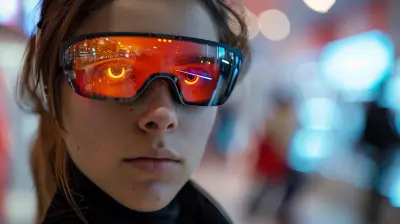
Walk into any museum today, and you'll likely see the quiet buzz of curious minds soaking up centuries of knowledge. Now—imagine if those dusty fossils could talk, if ancient warriors could walk beside you, or if you could step into a Van Gogh painting. Sounds like a scene from a sci-fi movie, right? But thanks to Augmented Reality (AR), this is not only possible—it’s happening right now.
In recent years, AR has been sliding into museum spaces, flipping traditional exhibits on their heads and offering experiences that feel more like interactive adventures than mere strolls through halls. So, let’s dive into how augmented reality is shaking things up in museums and giving history, art, and science a serious upgrade.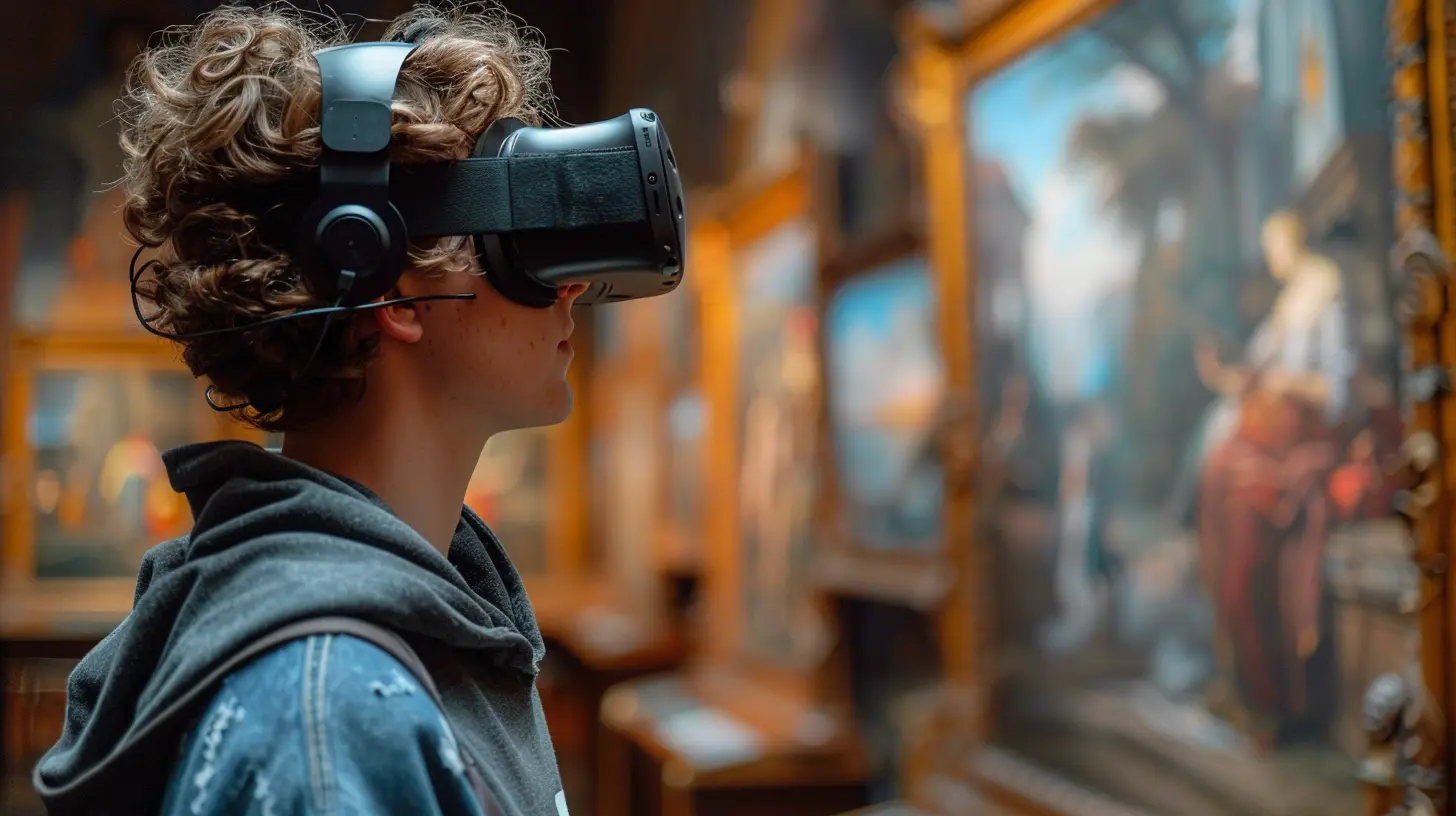
What is Augmented Reality, Anyway?
Before we roll too far ahead, let’s get clear on what AR actually is.Augmented Reality is a type of tech that overlays digital content (think images, sounds, or animations) onto the real world. So instead of escaping into a completely virtual space—like with virtual reality—you’re still grounded in reality, but with digital enhancements peppered in through a phone, tablet, or AR glasses.
It’s kind of like having a digital tour guide whispering in your ear while also drawing diagrams in the air and pointing out hidden details only visible through the magic of tech.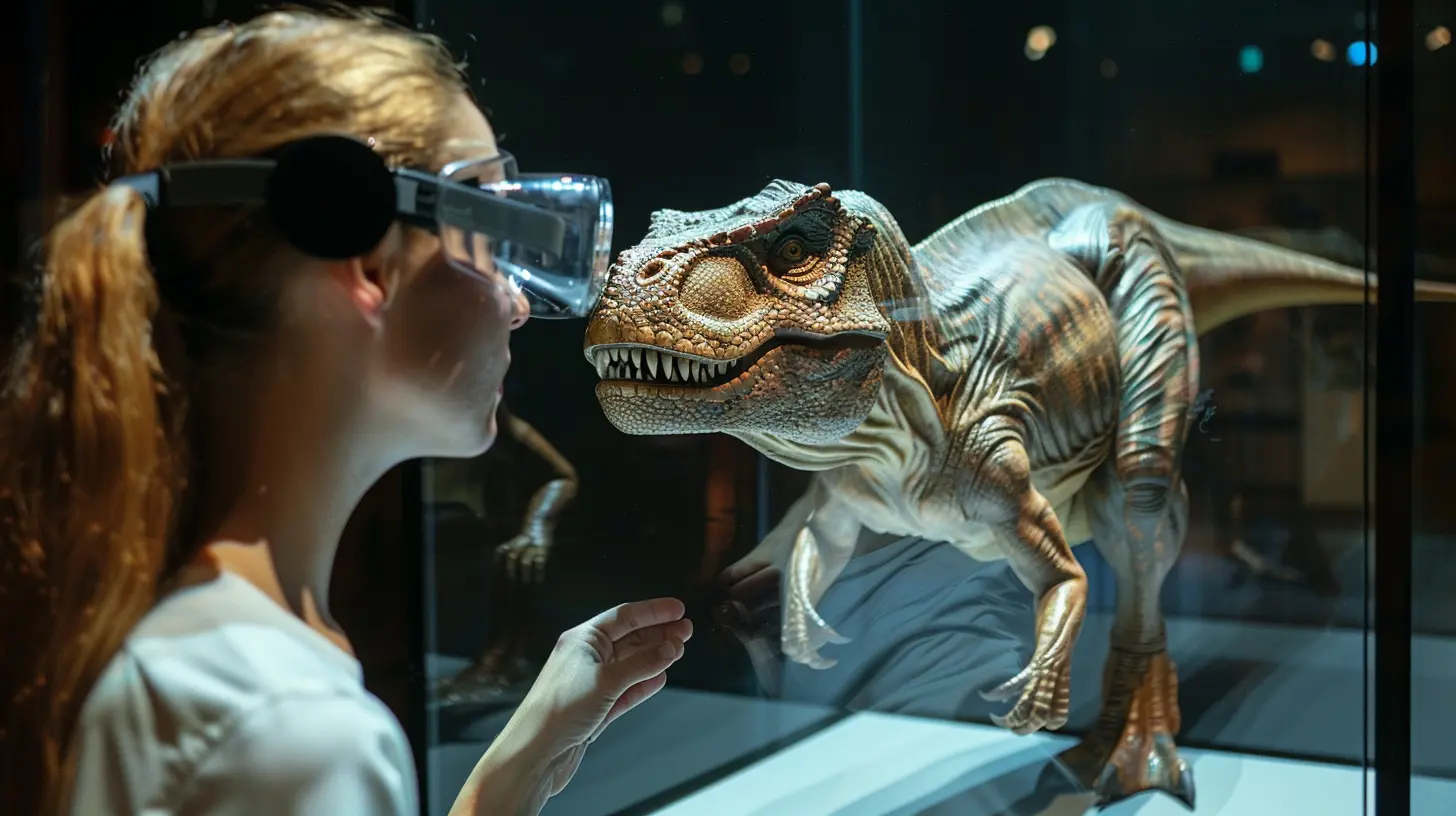
Why Museums Are Leaning Into AR
Museums are all about stories. AR just helps tell those stories in a way that’s more immersive, engaging, and—let’s be honest—way cooler. Here are a few reasons museums are embracing AR faster than you can say “ancient Egyptian hieroglyphics.”1. Making History Come Alive
Let’s face it, not everyone gets excited by static artifacts behind glass. But what if that suit of medieval armor began explaining the battle it was worn in? Or if you could see the evolution of a dinosaur animated right on top of its skeleton?AR allows curators to inject life into exhibits—literally and figuratively. Visitors aren’t just passive viewers anymore; they’re part of the unfolding narrative.
2. Reaching a New Generation
We're talking about the screen generation—kids and teens who grew up swiping, tapping, and scrolling.Traditional exhibits don’t always grab their attention. But give them something interactive—like an AR app that lets them scan QR codes to unlock hidden content—and you’ve got them totally hooked. Suddenly, museums aren’t “boring” anymore; they’re actually fun.
3. Breaking Language Barriers
With AR, museums can offer real-time translation of plaques and exhibit labels, making them more accessible to international visitors. No need to crowd around a dusty guidebook or search for text in your language. AR handles it seamlessly, often with a tap on your screen.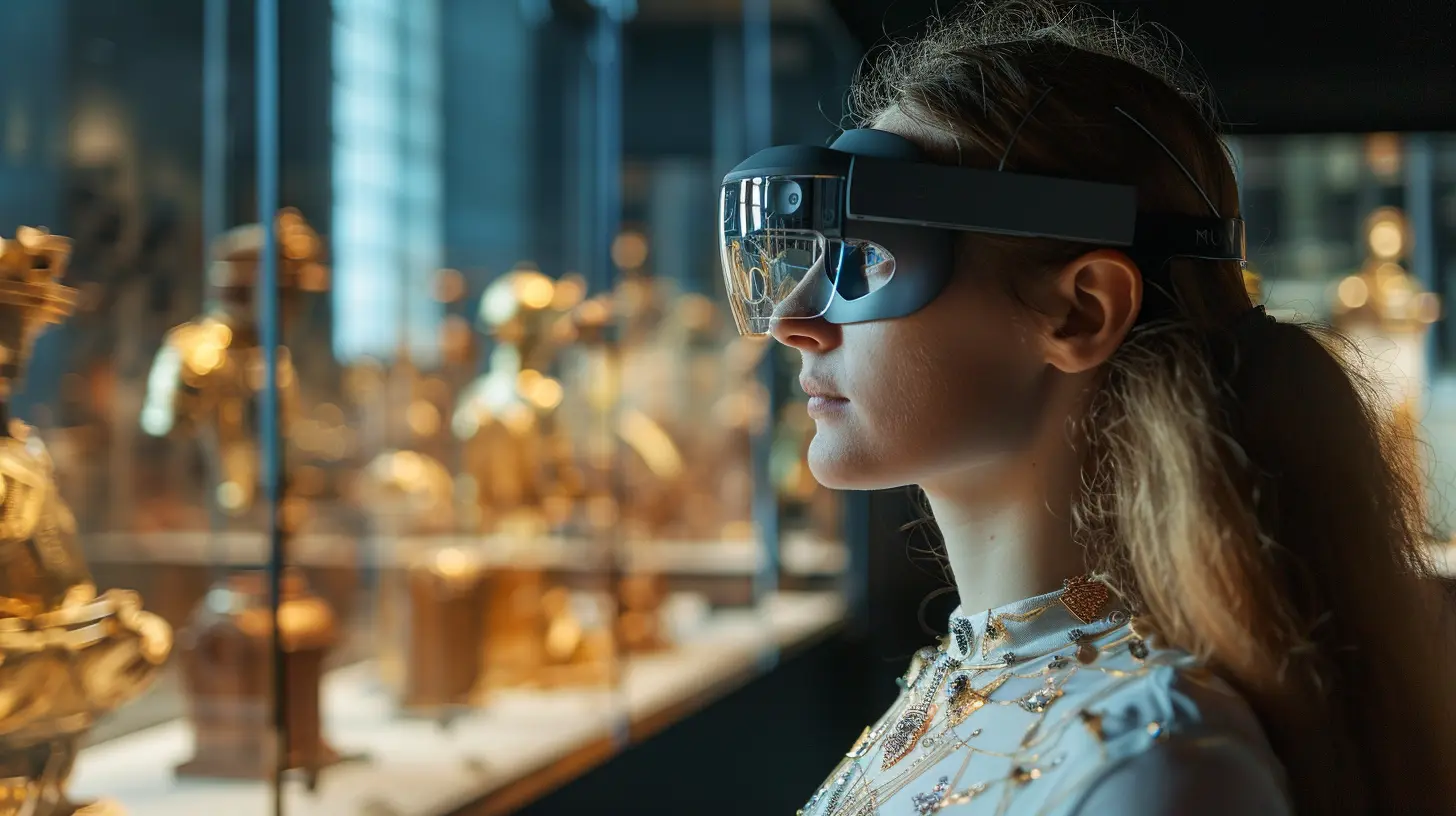
How AR Works in a Museum Setting
Here’s a quick rundown of the typical tech setup:- AR Mobile Apps: Museums may ask you to download an app to access AR content. Just aim your phone at an exhibit, and boom—you’ve got extra info, animations, even games.
- AR Glasses: Think high-tech sunglasses—visitors wear these and see layers of digital content overlaid on the real world.
- Interactive Kiosks: Touchscreen displays with AR functions, letting you zoom in on art details or rotate 3D models.
- Beacons and QR Codes: These hidden triggers activate AR content when you’re close to an exhibit or scan a code.
No matter the method, the goal is the same—make the experience more dynamic and personal.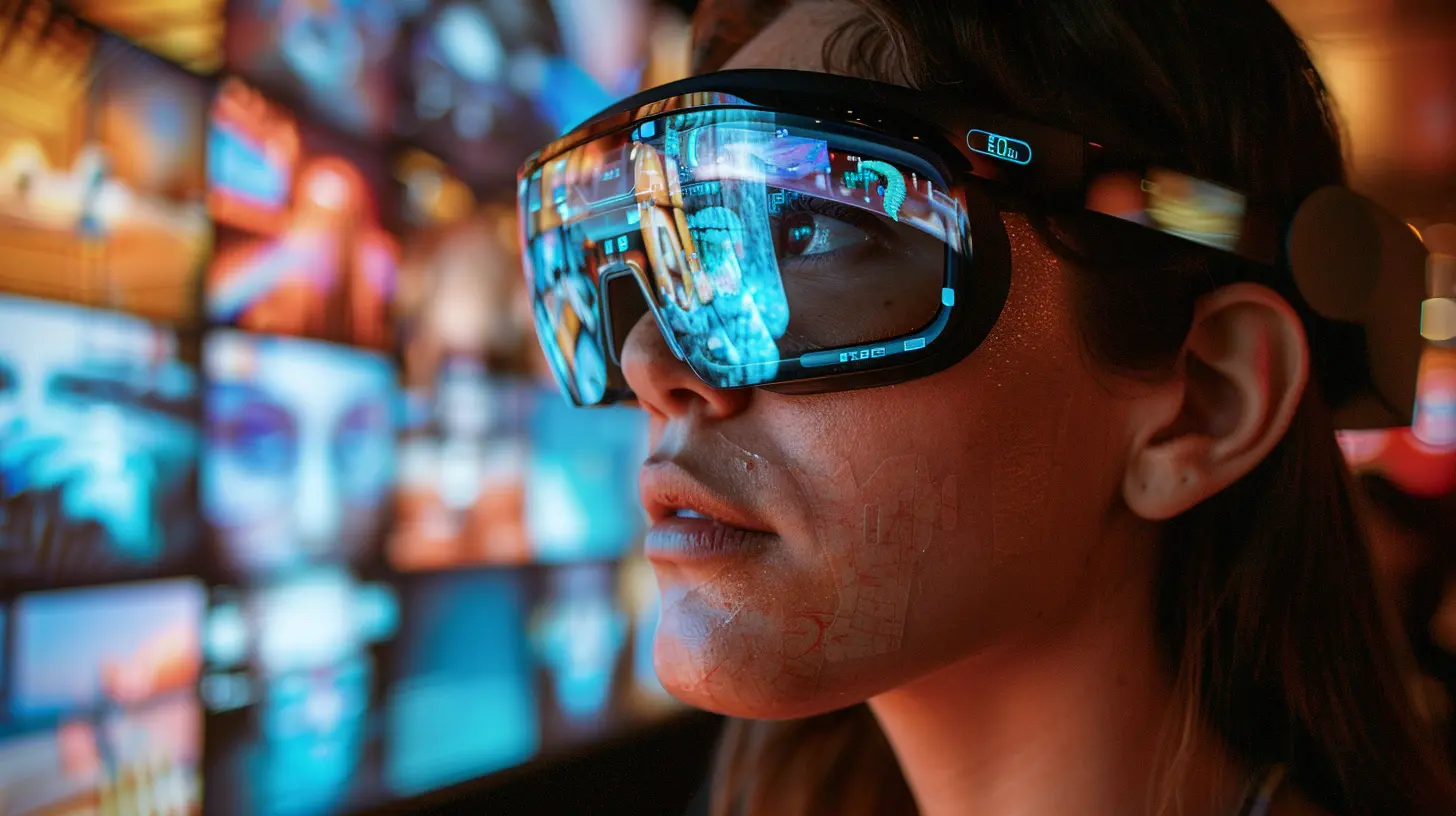
Real-World Examples of AR in Museums
Want to know who's doing it right? Let’s look at some museums already riding the AR wave.The Smithsonian Institution – Washington, D.C.
The Smithsonian offers AR experiences that range from scanning fossils to trigger digital reconstructions of dinosaurs, to overlaying historical battles on actual artifacts. It brings in an entirely new depth—literally and figuratively.The Louvre – Paris
Yes, even the world’s most famous museum has embraced AR. Visitors can use AR to explore detailed layers of Da Vinci’s “Mona Lisa” or walk into a reconstructed version of the painting's original setting.The National Gallery – London
Using the AR app, visitors can point their phones at paintings to see behind-the-scenes footage, historical context, and even watch as the artwork is “painted” in real-time.The Franklin Institute – Philadelphia
From augmented human anatomy to exploring the cosmos, this museum uses AR to turn complex science topics into sensory experiences.Benefits That Go Beyond the Wow Factor
Okay, AR is obviously a great way to grab attention. But it’s more than just digital glitter. Here’s how it genuinely improves learning and inclusion.Better Retention of Information
Ever notice how you remember things better when you're involved? That’s the power of interactivity. AR taps into multiple senses—sight, sound, motion—which helps lock in information more effectively than reading a plaque.Inclusive for All Learning Styles
Whether you’re a visual learner, a kinesthetic explorer, or someone who loves audio narratives, AR has something for you. It adapts content to how you learn best.More Participation, Less Fatigue
Museum fatigue is real. After an hour of walking and reading, folks tend to check out mentally. AR re-energizes the experience. Instead of just consuming content, you’re playing with it, diving into it, and shaping your own journey.Challenges of Bringing AR Into Museums
It’s not all smooth sailing. As exciting as AR is, there are hurdles to jump.Cost and Infrastructure
Quality AR experiences aren’t cheap. Museums, especially smaller ones, may struggle with the budget for development, maintenance, and hardware.Tech Glitches
Ever tried using an AR app that just wouldn’t load? Yeah, nothing kills immersion faster than a spinning buffer icon. Bugs, crashes, and compatibility issues can frustrate users.Accessibility Concerns
Not everyone carries a smartphone or wants to use one in a museum. Plus, those with visual impairments or motor disabilities may find certain AR experiences hard to use without proper accommodations.The Future of AR in Museums
So, what’s next? We’re probably looking at even more immersive AR, maybe even paired with AI. Imagine personalized museum tours tailored to your interests, mood, and previous visits.Or what about collaborative AR where friends or school groups can interact with the same augmented object together?
And as AR glasses become more mainstream (think Apple Vision Pro or Meta’s future releases), expect museums to design experiences that don’t feel like apps, but like seamless, magical layers on top of reality.
The mix of storytelling + technology = a future where museums aren’t just places to visit—they’re places to fully experience.
How You Can Try AR at a Museum Near You
Curious to give this a whirl? Here’s how to dip your toes into the AR pool the next time you hit up a museum:- Check the museum’s website before visiting: They usually list their AR experiences and app download links.
- Bring headphones: Some AR content includes narration or sound, and it’s best experienced without background noise.
- Make sure your phone is charged: Yeah, this one’s a bit obvious—but there's nothing worse than running out of battery just when a mummy starts talking to you.
Final Thoughts: Blending the Past with the Future
Augmented reality in museums isn’t just a tech trend; it’s a revolution in how we connect with culture, history, art, and science. It’s making museums more inclusive, engaging, and downright awesome.And yes—it’s still evolving. But its impact is already clear: the past is no longer behind glass; it’s all around you, ready to speak, move, and transform the way you think about learning.
So next time you walk into a museum, don’t just look—see. There might be a whole layer of digital wonder waiting to jump into your world.
all images in this post were generated using AI tools
Category:
Augmented RealityAuthor:

Gabriel Sullivan
Discussion
rate this article
2 comments
Ardent Wallace
Great insights! Excited to see how AR continues to enhance visitor experiences in museums!
April 17, 2026 at 3:26 AM
Gabriel Sullivan
Thanks for your enthusiasm! AR is definitely set to change the way we experience museums.
Camden McGrath
This is such an exciting development! Augmented reality is really transforming how we experience art and history. Can't wait to see what museums do next!
March 27, 2026 at 4:58 AM
Gabriel Sullivan
Thank you! We're thrilled about the possibilities of augmented reality in enhancing our connection to art and history. Exciting times ahead!