Augmented Reality Glasses for Architects and Designers
15 May 2026
Imagine being able to step inside your design before it’s even built. Not just on a screen or in a 3D model—but literally walking through it, seeing your ideas come to life right in front of your eyes. That’s what augmented reality glasses are doing for architects and designers today. Sounds futuristic, right? But it’s not. It’s happening now, and it’s changing the entire game.
In this article, we’re diving into how augmented reality (AR) glasses are becoming a powerful tool for architects and designers, making complex design tasks easier, faster, and way more immersive.
What Are Augmented Reality Glasses Anyway?
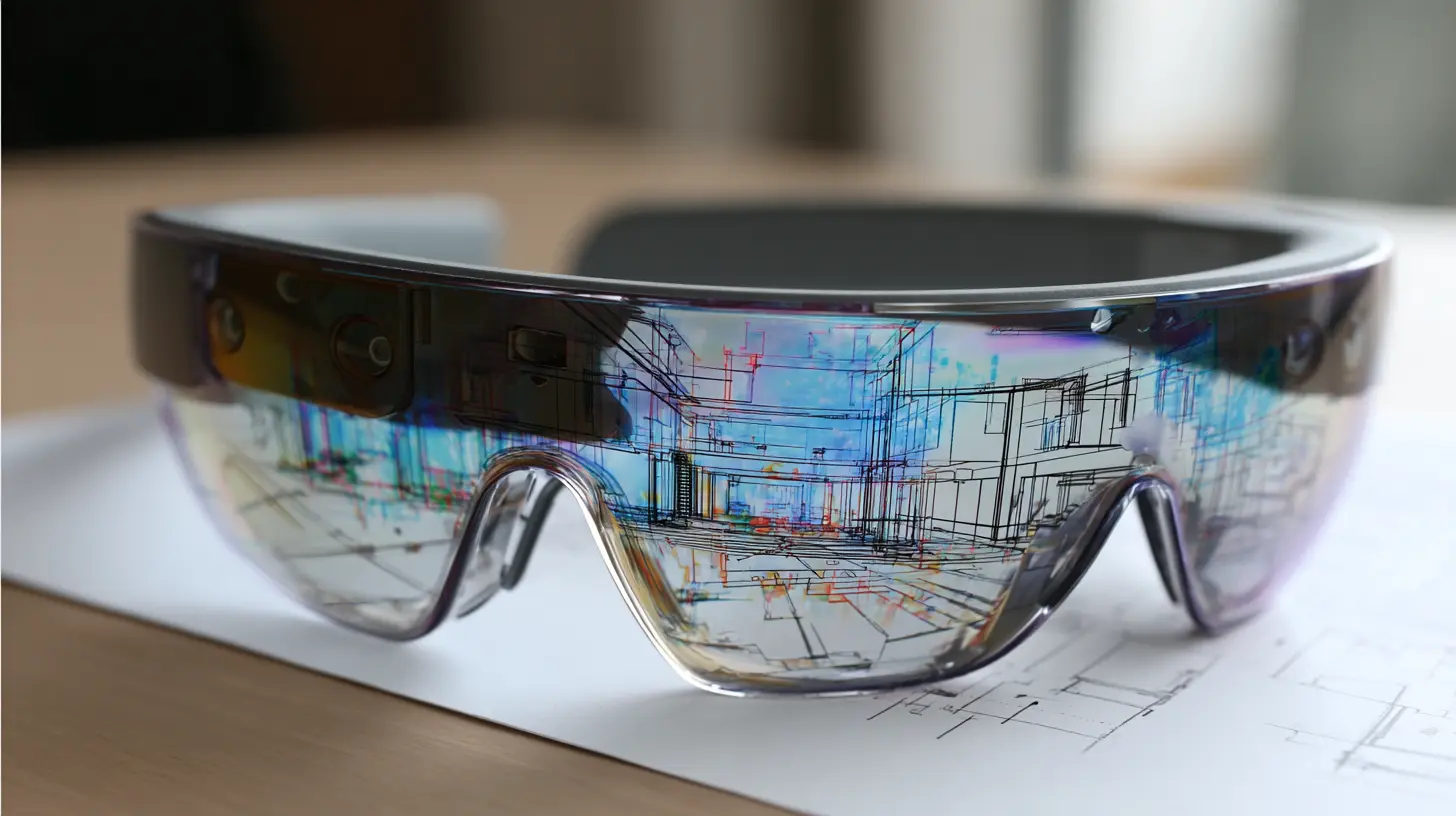
Alright, let’s start simple. Augmented reality glasses are wearable devices that layer digital information—like images, 3D models, data, or instructions—over the real world. You still see your surroundings, but now with a digital twist. Think Iron Man’s helmet or Pokémon Go, but way more sophisticated and built for professionals.For architects and designers, AR glasses can overlay floor plans, 3D models, and spatial layouts onto real-world environments. You’re literally seeing your designs in the space they’re meant for.
Why Architects and Designers Should Care
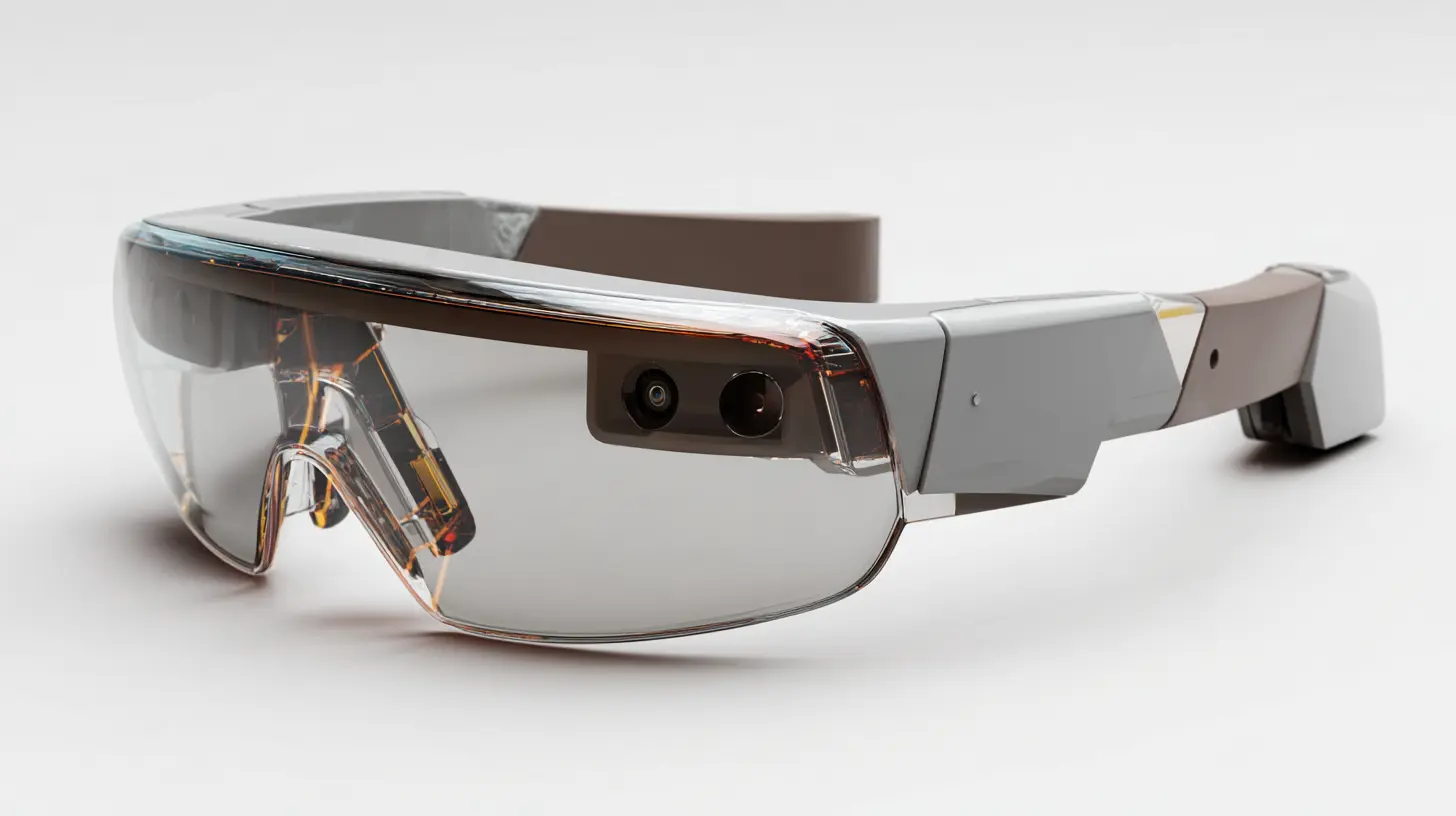
Let’s face it—traditional design workflows can be clunky. You sketch, you model, you revise, and repeat. Viewing designs on a flat screen or printed paper doesn’t always give you a true feel of scale, depth, or how a space feels. And that’s critical in architecture and design.AR glasses bridge that gap. They let you experience your design in real-world context, helping you catch problems early and make smarter decisions. It’s like putting your ideas on steroids—quick, bold, and super effective.
Key Benefits of AR Glasses in Architecture and Design
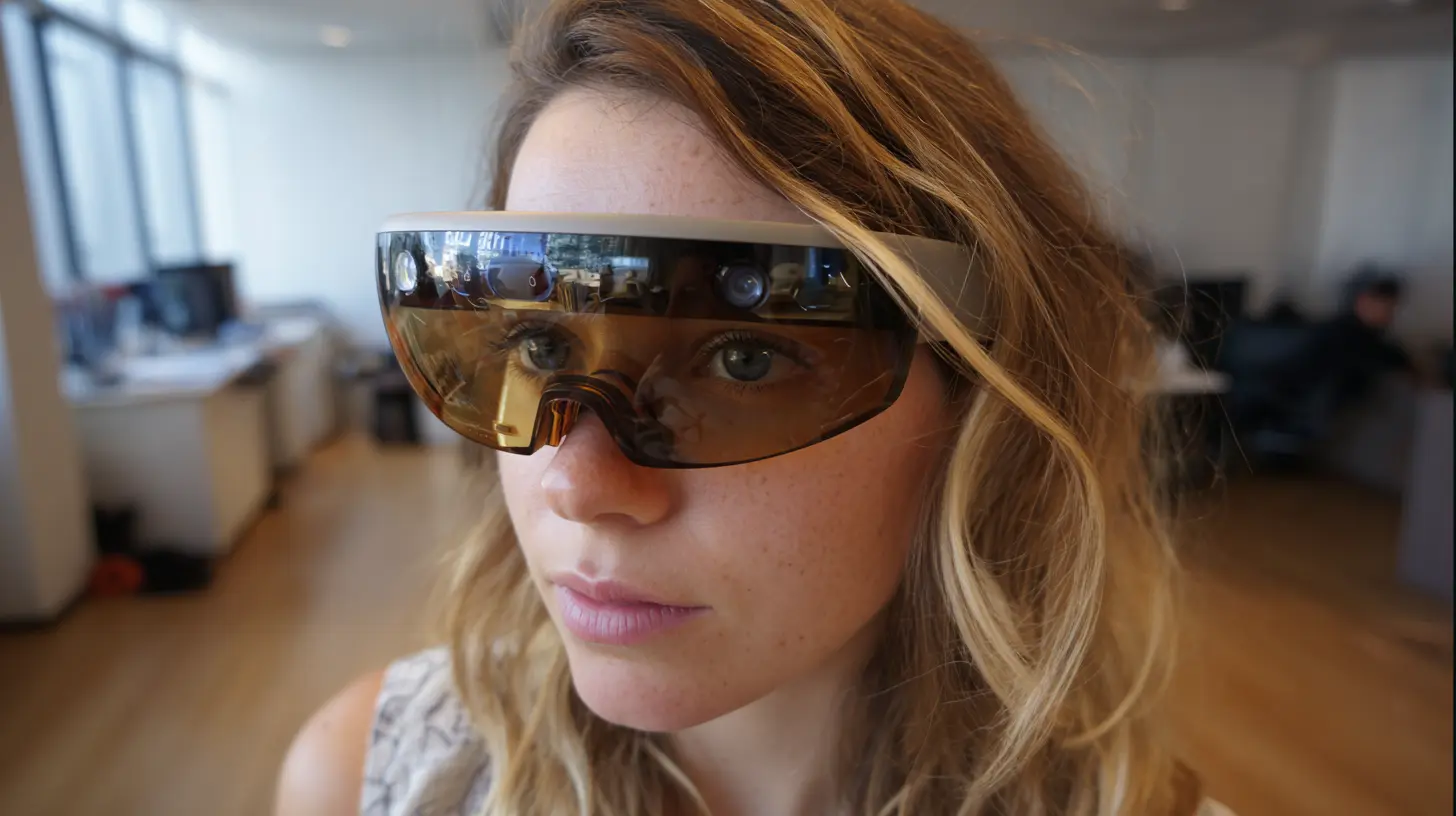
So, what makes AR glasses such a big deal in this field? Let’s break it down.1. Immersive Visualization
AR lets you project your 3D models into actual spaces. Want to see how that staircase looks in the atrium? Pop on your AR glasses and check it out. You can walk around it, get under it, even look out from the top—all without building a thing.This level of immersion gives you a deeper understanding of scale and proportion. It's the closest you can get to being inside your idea before a single brick is laid.
2. Real-Time Collaboration
Design isn’t a solo mission. You’ve got clients, engineers, contractors—all with opinions. With AR glasses, everyone can view the same model in real-time from different viewpoints. Any updates or tweaks you make? Instantly visible.It’s not just about showing a design—it’s about sharing an experience. AR helps you explain your vision more clearly, and when everyone’s on the same page, projects move faster and smoother.
3. Early Error Detection
We’ve all had that “oops” moment during a project. Maybe a wall’s too close, or a door swings the wrong way. These mistakes can delay projects and rack up costs.But with AR glasses, you spot these issues early on. Overlay your blueprint onto a building site and see if the layout matches. You’ll know right away if something feels off, saving both time and money.
4. Better Client Presentations
Let’s be real: clients don’t always ‘get’ blueprints or CAD drawings. It’s not their fault—it’s just not their world. But give them AR glasses, and suddenly, they’re walking through their future office or home.That “wow” factor? Totally in your favor.
5. On-Site Design Modifications
AR isn’t just for the design phase. You can take it on-site too. Found a constraint that wasn’t on the plans? No problem. Use your AR glasses to visualize alternative designs on the spot and adjust in real-time.This agility gives you an edge. You’re not held back by static documents—you’re designing live, in the moment.
Game-Changing Use Cases
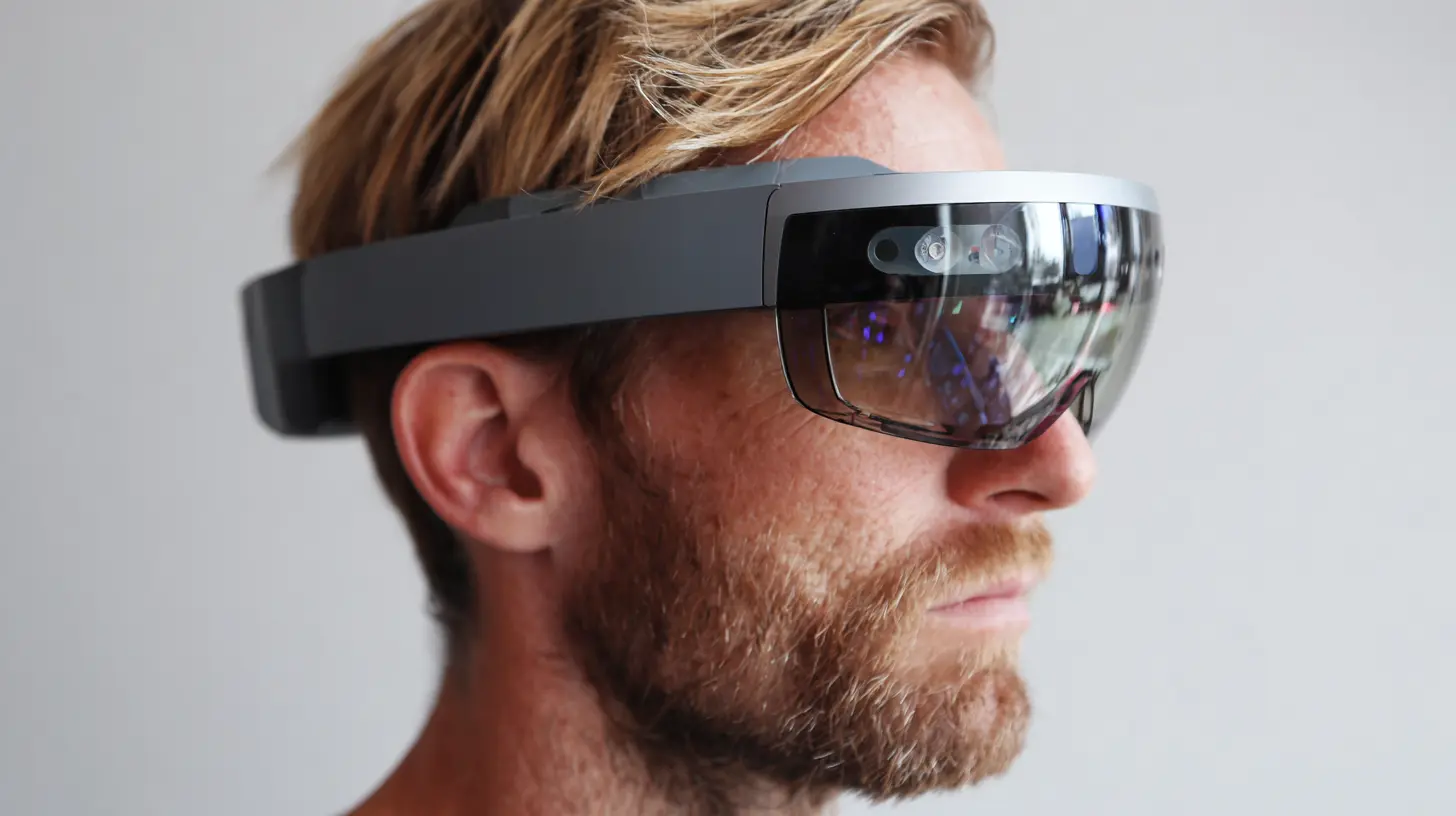
Still wondering how this all plays out in the real world? Let’s look at how architects and designers are already putting AR glasses to work.Urban Planning and Site Analysis
Before the first shovel hits the dirt, you can walk the site with a digital overlay of your proposed design. See how it fits into the environment, study traffic flow, and evaluate shadows based on the sun’s path—all in real-time.Interior Design
Imagine placing digital furniture in an empty room, checking color schemes, or testing layouts. AR glasses let interior designers experiment with ideas instantly, without lifting a single piece of furniture.Historical Preservation
Restoring an old building? Use AR glasses to overlay historical blueprints or images to guide your updates. It's like having a time machine strapped to your face.Training and Education
For design students or junior architects, AR can act like a high-tech mentor. Pop on the glasses and walk through famous architectural works or study complex designs in detail without leaving the classroom.Top AR Glasses for Designers and Architects
Let’s talk gear. Not all AR glasses are created equal. Here are some of the best picks for professionals in the field.1. Microsoft HoloLens 2
Hands down, one of the most powerful AR headsets out there. It offers stunning visuals, precise hand tracking, and excellent integration with tools like Autodesk and Unity. Pricey? Yes. But if you’re serious about AR, it’s worth every penny.2. Magic Leap 2
Sleek design, high fidelity visuals, and great depth sensing. Magic Leap 2 is popular for AR-heavy design tasks, especially in collaborative environments.3. Vuzix Blade
More affordable and lightweight, the Vuzix Blade is a smart option for those dipping their toes into AR. It’s not as powerful as the HoloLens, but it can handle basic design overlays and presentations just fine.4. Apple Vision Pro (Upcoming)
Apple’s entry into the AR space is big news. While it’s still rolling out, the Apple Vision Pro promises high-resolution visuals and seamless iOS integration, making it a potentially game-changing device for creatives.
Software That Brings It All Together
Hardware is only half the story. Your AR glasses need the right software to unlock their full potential. Here’s what’s turning heads:- Unity Reflect – Great for integrating real-time 3D models from applications like Revit into AR.
- SketchUp Viewer – Simple, effective, and made for easy design reviews and presentations in AR.
- ARki – A mobile AR tool tailored for architectural visualization and real-time updates.
- AutoCAD AR Plug-ins – Some custom plug-ins allow you to port CAD files directly into AR space.
Challenges and Considerations
Let’s not sugarcoat it—AR glasses aren’t perfect (yet). There are things to keep in mind.Learning Curve
Not everyone’s tech-savvy enough to jump right into AR. It can take time to get used to the hardware and software. Training is essential.Cost
High-end AR glasses aren’t cheap. But think of them as an investment. The time and money you save on revisions and mistakes more than make up for it.Battery Life
Depending on the model, AR glasses can run out of juice quickly. Plan accordingly, especially for field use.Software Compatibility
Make sure your favorite design tools can work with your AR headset. Integration can make or break your workflow.
The Future of AR in Design
We’re only scratching the surface. As AR glasses become lighter, smarter, and more affordable, expect them to become a standard tool in every designer’s toolkit.Imagine AI-powered overlays that suggest design improvements. Or AR glasses that let you instantly compare alternative layouts while you walk through a space. The future looks seriously cool.
And with tech giants like Apple, Google, and Meta diving headfirst into AR, the possibilities are just getting started.
Final Thoughts
AR glasses are reshaping how architects and designers think, create, and communicate. They offer a more immersive, accurate, and collaborative way to bring ideas to life. While the learning curve and upfront cost might feel like a hurdle, the benefits? Totally worth it.Whether you’re working on skyscrapers or tiny homes, AR gives you superpowers—ones that let you design smarter, present better, and turn visions into reality faster than ever before.
So, if you’re in architecture or design and you haven’t yet tried augmented reality glasses... what are you waiting for?
all images in this post were generated using AI tools
Category:
Ar GlassesAuthor:

Gabriel Sullivan
Discussion
rate this article
1 comments
Vienna Lamb
While augmented reality glasses promise to revolutionize design processes for architects, their effectiveness will hinge on usability and real-world application. If the technology fails to integrate seamlessly into daily workflows, it risks becoming another fleeting trend.
May 17, 2026 at 11:34 AM
Gabriel Sullivan
You make a great point. Usability will be key. If the glasses don't fit smoothly into workflows, they might not have the impact we hope for. Let's see how things develop.